








What's Happening?
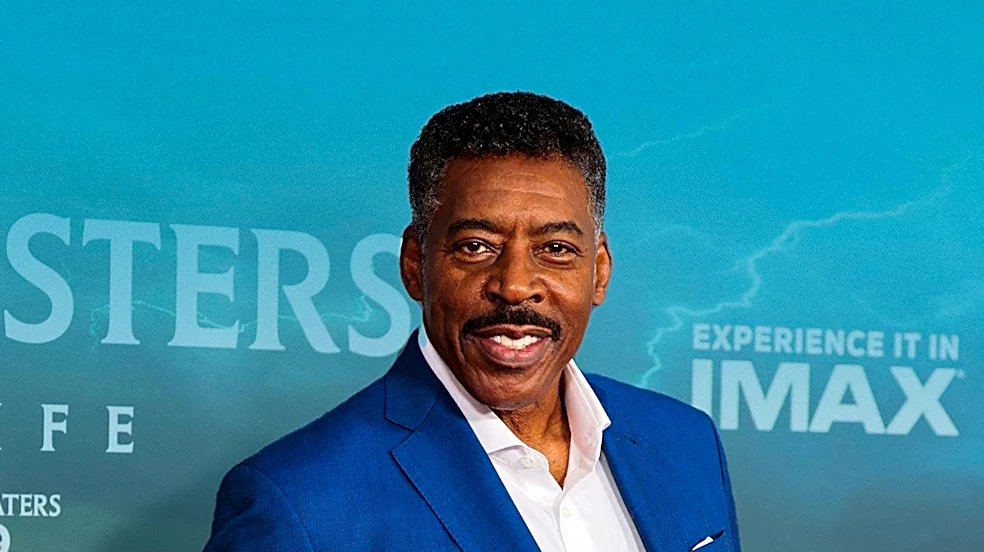
A recent film review of the 1984 classic 'Ghostbusters' critically examines the character portrayals within the movie, particularly focusing on the treatment of Winston Zeddemore, played by Ernie Hudson. The review acknowledges the film's enduring appeal
and its iconic status but points out several character-related issues. Dr. Peter Venkman's flirtatious behavior towards Dana Barrett is described as occasionally 'creepy,' especially during scenes where he prioritizes hitting on her over investigating paranormal activity or when he kisses a possessed Dana. The primary critique, however, is directed at the portrayal of Winston Zeddemore. Despite being a grounded, realist everyman, Winston is consistently depicted as an outsider. The review notes that he is not a scientist, joins the team last, and is not referred to by his last name like the other Ghostbusters. Furthermore, instances of physical alienation are highlighted, such as Winston being positioned behind the core group during key moments and landing separately from them after being blasted by the villain. The review argues that the film underutilizes Winston's potential as a contrasting street-smart character, instead presenting him purely as an alienated figure.
Why It's Important?
This critical analysis of 'Ghostbusters' is important as it re-evaluates a beloved cultural touchstone through a contemporary lens, highlighting issues of character representation that may have been overlooked or less scrutinized at the time of its release. The critique of Winston Zeddemore's portrayal brings to the forefront discussions about diversity and inclusion in classic cinema, particularly concerning how minority characters are integrated into ensemble casts. By pointing out his alienation, the review contributes to ongoing conversations about subtle biases and stereotypical representations in media. For film studies and cultural analysis, this perspective encourages a deeper look into how narratives can inadvertently marginalize characters, even in popular and seemingly innocuous films. It also reflects a broader societal shift towards demanding more nuanced and equitable portrayals of all characters, regardless of their background. This re-examination can influence how future filmmakers approach character development and ensure more inclusive storytelling, prompting creators to consider the implications of character dynamics and visual staging.
What's Next?
This type of critical review contributes to the ongoing re-evaluation of classic films within contemporary cultural discourse. While it's unlikely to alter the original film, it may influence how 'Ghostbusters' is discussed in academic settings, film criticism, and fan communities. Future analyses of the franchise, including sequels and reboots, may increasingly reference these critiques regarding character development and representation. For actors like Ernie Hudson, such discussions can bring renewed attention to their contributions and the complexities of their roles. The critique also serves as a reminder for current and future filmmakers to be more conscious of how characters, especially those from underrepresented groups, are integrated into narratives and visual compositions. This ongoing dialogue about representation in media will likely continue to shape audience expectations and industry practices, pushing for more thoughtful and equitable character portrayals in upcoming productions. It encourages a more critical consumption of media, even of cherished classics.
Beyond the Headlines
The critique of Winston Zeddemore's character in 'Ghostbusters' delves into deeper implications concerning the subtle ways in which media can perpetuate or reflect societal biases. The review's observation of Winston's physical and narrative alienation, despite his integral role, touches upon the concept of 'othering' in storytelling. This phenomenon, where a character is consistently set apart from the main group, can have lasting cultural impacts by subtly reinforcing existing social hierarchies or stereotypes. The fact that this critique emerges decades after the film's release highlights a growing cultural awareness and sensitivity towards representation, suggesting a shift in audience expectations and critical standards. It prompts a re-examination of how 'everyman' characters, particularly those from marginalized communities, are written and visually presented to ensure they are not inadvertently diminished or tokenized. This deeper analysis encourages creators to move beyond superficial diversity and strive for genuine integration and equitable portrayal, fostering a more inclusive cinematic landscape that truly reflects the diversity of human experience.