






What's Happening?
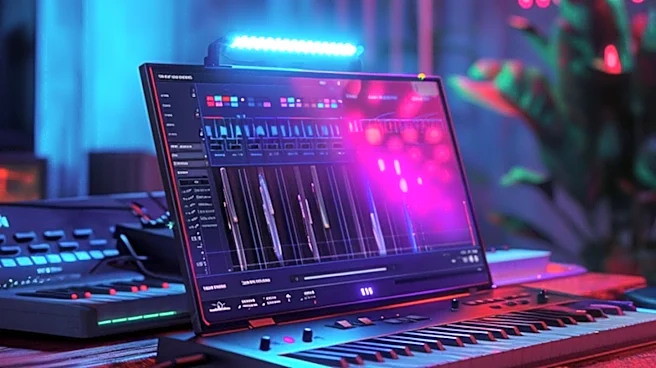
Suno has released Suno Bridge, a new standalone macOS application designed to seamlessly integrate AI-generated instrument parts and vocals directly into Ableton Live 12 sessions. This beta version, available to Premier subscribers, allows producers to generate audio
that matches the project's existing tempo, key, harmony, style, and groove. Users select a target passage within Live using its loop brace, enter a prompt in Bridge, and the AI generates the audio for that range, inserting it directly onto a Live track. This process eliminates the need for separate stem exports, file transfers, and manual grid alignment. Suno Bridge aims to function as an on-demand session tool, allowing producers to keep their arrangement, plug-ins, routing, and mix settings within Ableton Live while leveraging Suno as an additional sound source. The application synchronizes with the active project by uploading session files to Suno's servers to provide the necessary musical context for generation.
Why It's Important?
Suno Bridge represents a significant advancement in AI music production workflows, directly embedding AI capabilities into professional digital audio workstations (DAWs). This integration streamlines the creative process for producers, potentially accelerating the development of new music by providing context-aware AI-generated parts. By matching generated audio to existing project parameters, it reduces the time and effort traditionally spent on transposing, time-stretching, or harmonically adjusting samples. This could empower producers to explore more arrangement ideas, quickly replace generic samples with tailored audio, and test variations within the same musical passage. The direct placement of AI-generated content into a DAW like Ableton Live could fundamentally change how music is composed and produced, making AI a more integral and accessible tool for professional musicians and producers.
What's Next?
Suno Bridge is currently in beta and limited to Ableton Live 12 on macOS, but Suno plans to expand compatibility to other operating systems and DAW platforms in the future. The success of this tool will depend on the accuracy of its generated parts, the speed of results, and the amount of post-generation editing required by producers. As AI music generation becomes more sophisticated and integrated into DAWs, the industry will likely see increased adoption of such tools. This could lead to further innovation in AI-assisted music production, with more companies developing similar plugins and standalone applications. Discussions around data privacy and intellectual property will also intensify, particularly concerning the uploading of session files to AI servers and the ownership of AI-generated musical elements.
Beyond the Headlines
The direct integration of AI into DAWs like Ableton Live through tools like Suno Bridge raises deeper questions about the future of music production and creativity. It could lead to a redefinition of the producer's role, shifting from solely creating every element to curating and refining AI-generated components. This might foster new creative approaches, allowing producers to focus more on overall artistic vision and less on the technical execution of individual parts. However, it also brings ethical considerations regarding originality and the potential for AI to homogenize musical styles if not used thoughtfully. The legal implications of using AI that processes existing project files, which may contain copyrighted material, will also need to be addressed, particularly concerning data handling and intellectual property rights. Culturally, this trend could influence the sound of popular music, as AI-generated elements become more prevalent and accessible in mainstream production.