


What's Happening?
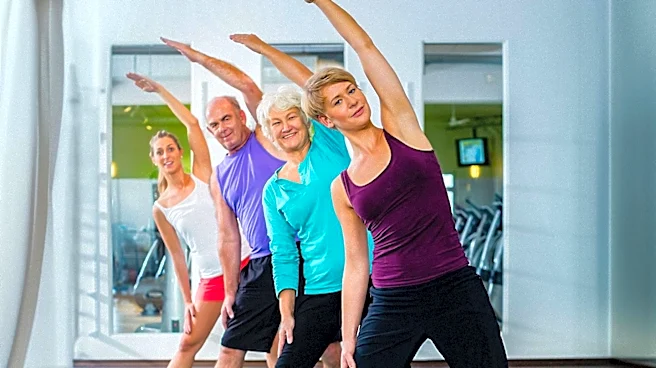
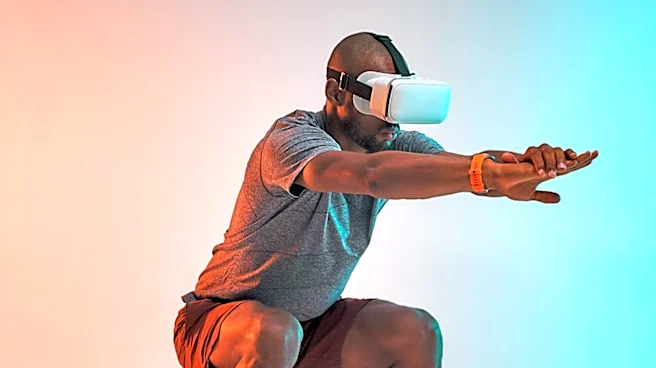
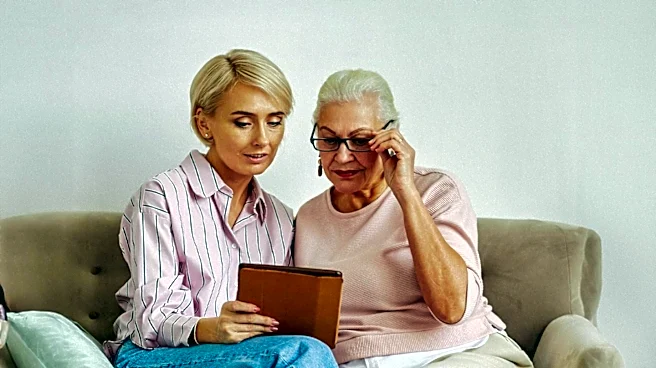
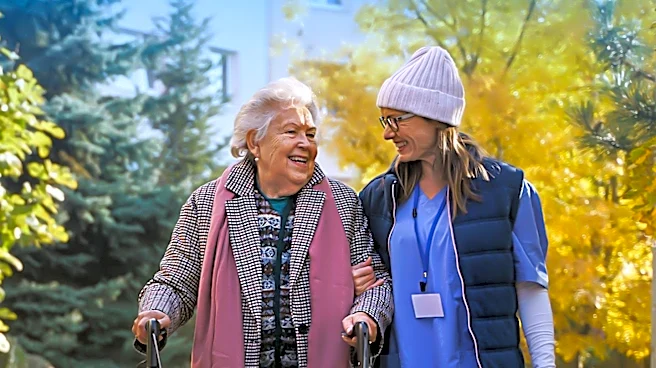
The Busy Bodies program provides seniors with a structured opportunity to engage in physical activity and social interaction. Meeting three times a week on Mondays, Wednesdays, and Fridays, the program focuses on helping participants stay active, build
strength, and connect with peers. Activities include chair exercises, weightlifting, and resistance band workouts, all designed to improve strength, balance, and flexibility. Beyond the physical benefits, Busy Bodies emphasizes the social aspect, creating a community where seniors can make friends and enjoy companionship. Research from the National Library of Medicine indicates that individuals who exercise with companions are 32% more likely to achieve sufficient physical activity compared to those who exercise alone.
Why It's Important?
The Busy Bodies program addresses two critical aspects of senior well-being in the U.S.: physical health and social engagement. As the population ages, maintaining physical activity is crucial for preventing chronic diseases, improving mobility, and reducing the risk of falls. Simultaneously, social isolation is a growing concern among seniors, impacting mental health and overall quality of life. By combining exercise with social interaction, Busy Bodies offers a holistic solution that not only enhances physical fitness but also fosters a sense of community and purpose. This integrated approach can lead to better health outcomes, reduced healthcare costs associated with age-related conditions and loneliness, and an improved quality of life for participants, making it a valuable model for senior programs nationwide.
What's Next?
Programs like Busy Bodies are likely to see increased demand and replication across various communities as the U.S. senior population continues to grow. There may be a trend towards greater funding and support for such initiatives from local governments, community organizations, and healthcare providers, recognizing their dual benefits for physical and mental health. Future developments could include the expansion of program offerings to include a wider range of activities, integration with telehealth services for remote participation, and partnerships with research institutions to further study the long-term impacts of social fitness on senior well-being. The success of Busy Bodies highlights the potential for community-based programs to play a significant role in promoting healthy aging.
Beyond the Headlines
The Busy Bodies program underscores a deeper societal need to create environments where seniors can thrive, not just survive. It challenges the perception of aging as a period of decline and instead promotes active participation and continued personal growth. The program's success in fostering friendships and providing a sense of purpose speaks to the profound impact of social connections on mental and emotional health in later life. This model encourages a re-evaluation of how communities support their elderly members, moving towards inclusive structures that prioritize both physical vitality and social integration. The ethical implication lies in ensuring that such beneficial programs are accessible to all seniors, regardless of their socioeconomic status or geographical location, to promote equitable opportunities for healthy and engaged aging.