

What's Happening?
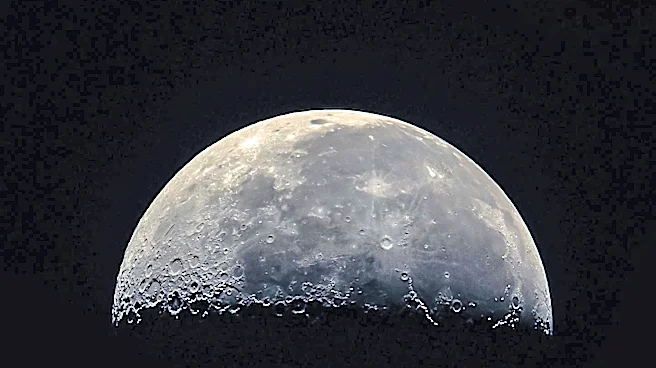
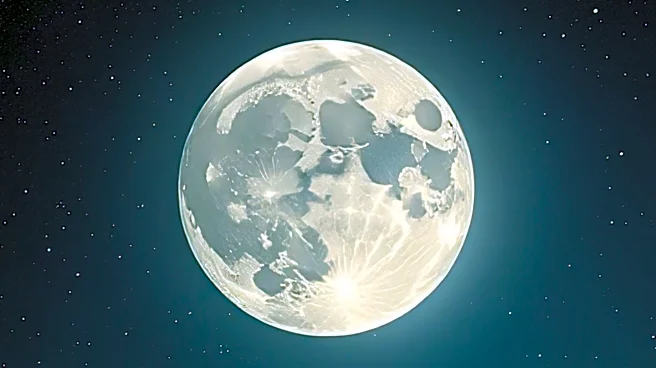
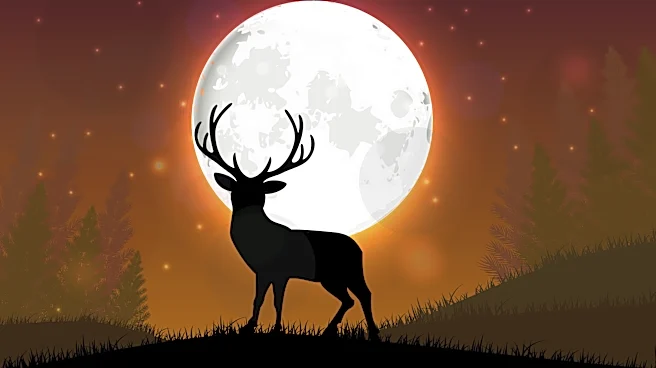
As of July 31, 2026, the Moon is in its Waning Gibbous phase, with 97% of its surface visible. This phase follows the Full Moon and precedes the New Moon, as the Moon gradually loses illumination. Observers can still see prominent lunar features such
as the Mare Tranquillitatis and various craters. The next Full Moon is scheduled for August 28, 2026. The Moon's phases are part of an approximately 29.5-day cycle, influenced by the relative positions of the Earth, Moon, and Sun.
Why It's Important?
Understanding the Moon's phases is crucial for various scientific and cultural reasons. The phases affect tides, nocturnal wildlife behavior, and have historical significance in human calendars and agriculture. For astronomers and enthusiasts, observing the Moon's changing appearance offers insights into its surface features and the dynamics of celestial mechanics. The Moon's phases also play a role in cultural and religious events, influencing traditions and practices worldwide.