




What's Happening?
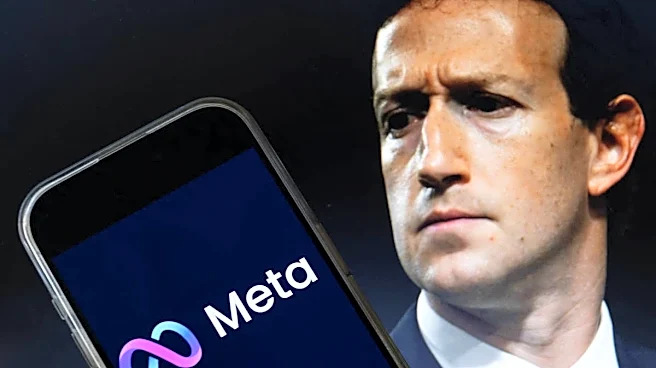
The practice of buying and selling existing Facebook accounts, often advertised as 'aged,' 'verified,' or 'country-specific,' carries significant risks and is generally not recommended. Individuals and businesses seek to purchase these accounts for various
reasons, including a desire for quick advertising starts, access to specific features like Marketplace, or the perceived benefits of an established online presence. However, Meta's policies for personal Facebook accounts require users to provide accurate information, use their real names, and refrain from sharing passwords or transferring accounts without permission. This creates a fundamental conflict between the act of purchasing an account and the platform's terms of service. The allure of an existing account often stems from the belief that it offers immediate advantages, such as a pre-built audience or a history that might bypass certain platform restrictions. However, these perceived benefits are often outweighed by the inherent uncertainties and potential policy violations associated with such transactions.
Why It's Important?
The implications of buying Facebook accounts extend beyond individual users to businesses and the broader digital ecosystem. For businesses, relying on purchased personal profiles for marketing or operations can lead to severe consequences, including account suspension, loss of data, and damage to brand reputation. Meta provides official tools for businesses, such as Facebook Pages and access roles, which offer a secure and compliant way to manage a professional online presence. The act of buying accounts undermines the authenticity and integrity of the platform, potentially contributing to the spread of misinformation, scams, and other malicious activities. Furthermore, it creates a market for potentially compromised accounts, raising concerns about data privacy and security for both the original owners and the unsuspecting buyers. The emphasis on authentic identity and legitimate growth is crucial for maintaining a trustworthy online environment and ensuring fair play for all users and businesses.
What's Next?
Individuals and businesses considering an established Facebook presence should prioritize legitimate methods of account creation and growth. This involves building a new, authentic account, developing a genuine audience, and utilizing Facebook's official tools for business management, such as Facebook Pages and Business Manager. For businesses, implementing proper Page access controls for employees and agencies is a safer and more sustainable approach than sharing personal login credentials. Meta will likely continue to enforce its policies against account transfers and inauthentic behavior to maintain the integrity of its platform. Users who have purchased accounts may face ongoing risks of account recovery by the original owner, suspension by Facebook, or privacy breaches. The focus should shift towards organic growth, content quality, and compliant advertising practices to achieve long-term success on the platform.
Beyond the Headlines
The phenomenon of buying and selling Facebook accounts highlights a deeper tension between the desire for immediate digital presence and the foundational principles of online identity and authenticity. It underscores the challenge social media platforms face in balancing user freedom with the need to prevent abuse and maintain a secure environment. The ethical implications are significant, as these transactions often involve misrepresentation of identity and can facilitate various forms of online fraud. Legally, the transfer of personal accounts may violate terms of service, leading to potential legal repercussions for both buyers and sellers. Culturally, the pursuit of 'aged' or 'verified' accounts reflects a broader societal trend of seeking shortcuts in the digital realm, often overlooking the importance of genuine engagement and organic community building. This practice also raises questions about the true value of digital assets and the extent to which they can be commodified outside of official channels.