



What's Happening?
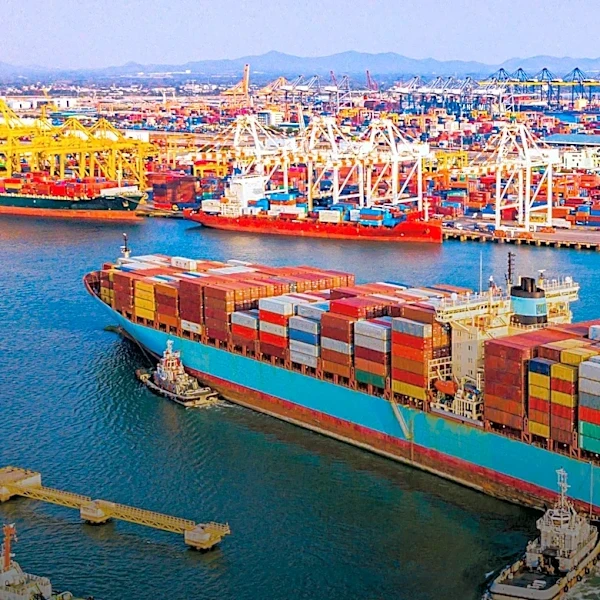
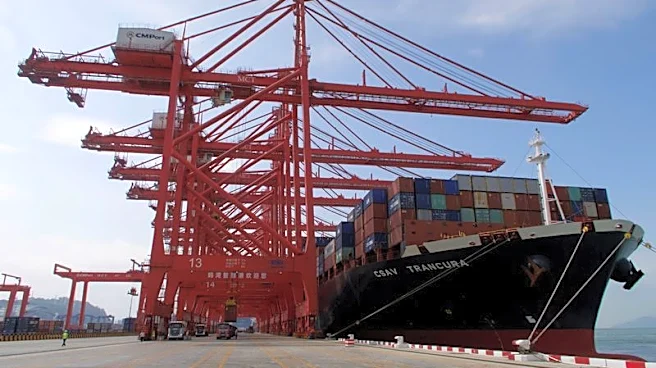
The Review of Maritime Transport 2026, an annual publication since 1968, will provide an in-depth analysis and comprehensive statistics on global seaborne trade, shipping, and ports. This edition will focus on how geopolitical tensions, shifts in trade policy,
supply chain reconfigurations, disruptions to major shipping routes, digitalization, cybersecurity risks, and the transition to cleaner energy are reshaping the maritime transport sector. The report aims to examine the implications of these changes for developing countries, particularly small island developing states, least developed countries, and landlocked developing countries. It will cover various aspects, including maritime trade, shipping fleets and services, freight rates, transport costs, port performance, trade facilitation, and legal and regulatory developments.
Why It's Important?
The Review of Maritime Transport is a critical resource for understanding the backbone of international trade and the global economy, as over 80% of the volume of international trade in goods is carried by sea. The 2026 edition's focus on navigating risks, sustainability, and resilience is particularly important given the increasingly complex challenges facing the maritime sector. Its analysis will inform policymakers, industry stakeholders, and researchers about the evolving landscape of global shipping, helping them to make strategic decisions. For developing countries, the report's insights are crucial for enhancing their participation in global trade, ensuring food and energy security, integrating into supply chains, and accessing global markets. The emphasis on sustainability and cleaner energy also highlights the sector's role in addressing climate change and promoting environmental responsibility.
What's Next?
The Review of Maritime Transport 2026 will be launched, providing a detailed overview of the current state and future trends in maritime transport. The findings and recommendations within the report are expected to influence policy discussions, investment decisions, and strategic planning within the maritime industry and related sectors. Stakeholders will likely use the data and analysis to assess risks, identify opportunities, and develop strategies for a more resilient, reliable, affordable, and sustainable maritime transport system. The report's insights into digitalization and the energy transition will be particularly relevant as the industry continues to adapt to technological advancements and environmental mandates.
Beyond the Headlines
The annual Review of Maritime Transport serves as more than just a statistical compilation; it acts as a barometer for global economic health and geopolitical stability. The inclusion of topics like cybersecurity risks and supply chain reconfigurations points to the increasing interconnectedness of maritime transport with broader global security and economic resilience issues. The report's focus on developing countries underscores the ethical dimension of ensuring equitable access to global trade and the challenges these nations face in adapting to new maritime standards and technologies. The ongoing transition to cleaner energy in shipping also highlights the tension between economic growth and environmental protection, pushing for innovative solutions that balance both imperatives. The insights from this review can shape international cooperation and regulatory frameworks for years to come.