


What's Happening?
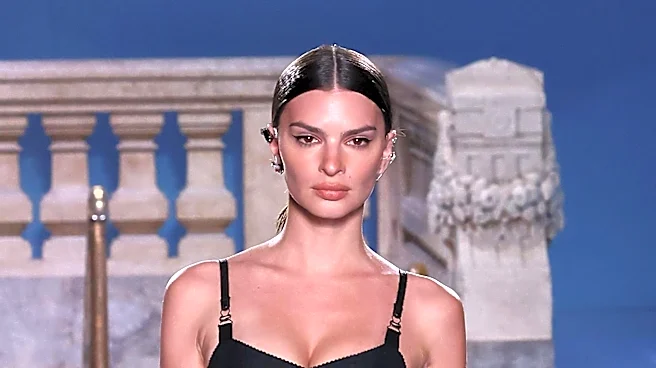
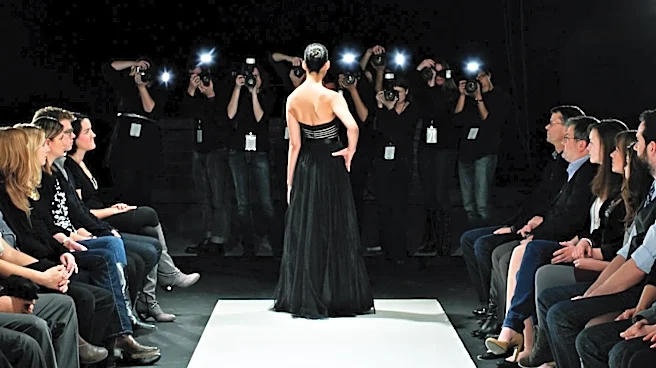
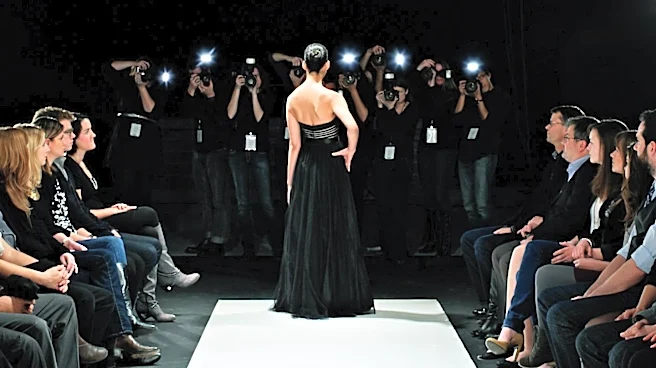
Paris Fashion Week, a prominent event in the global fashion calendar, is held twice annually, in March and September, dedicated to showcasing nine days of womenswear collections. This event serves as the final stop in the international fashion month circuit,
following presentations in New York, London, and Milan. Attendees, including designers, buyers, and media, often engage in extensive travel planning to navigate the tight schedule, particularly the transition from Milan, which typically concludes its womenswear schedule on the same day Paris begins. Many participants utilize private jet services for efficient travel between cities, landing at airports like Paris-Le Bourget, which is equipped for private flights. The logistical demands extend to packing extensive wardrobes for multiple appearances, with private travel often accommodating more luggage. Beyond established fashion houses, Paris Fashion Week also features initiatives like SPHERE, a showroom launched in January 2020 by the Fédération de la Haute Couture et de la Mode, aimed at supporting and showcasing emerging designers.
Why It's Important?
Paris Fashion Week holds significant importance as a global platform that influences fashion trends, consumer purchasing, and the careers of designers and models worldwide. Its position as the final leg of fashion month means it often sets the tone for upcoming seasons, impacting retail strategies and design directions across the U.S. and international markets. The event fosters economic activity through tourism, hospitality, and direct spending on fashion. For emerging designers, platforms like SPHERE offer crucial visibility and networking opportunities, potentially launching international careers and diversifying the global fashion landscape. The logistical complexities highlight the high-stakes nature of the industry, where seamless travel and presentation are integral to success, reflecting the substantial investments made by brands and individuals to participate in such a high-profile event. The event also contributes to Paris's status as a cultural and fashion capital, drawing international attention and investment.
What's Next?
The next iterations of Paris Fashion Week will continue in March and September, with specific dates announced in advance by the Fédération de la Haute Couture et de la Mode. Attendees will likely continue to refine their travel and logistical strategies, booking accommodations and transport well in advance due to high demand. The event will feature a mix of established luxury brands and emerging talents, with ongoing efforts to support new designers through initiatives like SPHERE. The fashion industry will closely watch the runway shows for new trends, design innovations, and the overall direction of womenswear. Preparations for these bi-annual events involve extensive coordination among designers, production teams, venues, and travel providers to ensure a smooth and impactful presentation of collections.
Beyond the Headlines
Beyond the immediate spectacle of runway shows, Paris Fashion Week reflects broader trends in luxury travel, sustainability in fashion, and the evolving role of digital platforms in showcasing collections. The reliance on private travel for many attendees underscores the environmental impact concerns within the fashion industry, prompting ongoing discussions about more sustainable practices. The emphasis on supporting emerging designers through initiatives like SPHERE points to a growing recognition of the need for diversity and innovation within the established fashion hierarchy. Furthermore, the meticulous planning involved in attending such an event highlights the significant financial and time investments required, often creating a barrier to entry for smaller brands or independent media. The event also serves as a cultural barometer, reflecting societal shifts and artistic expressions through clothing and design.