



What's Happening?
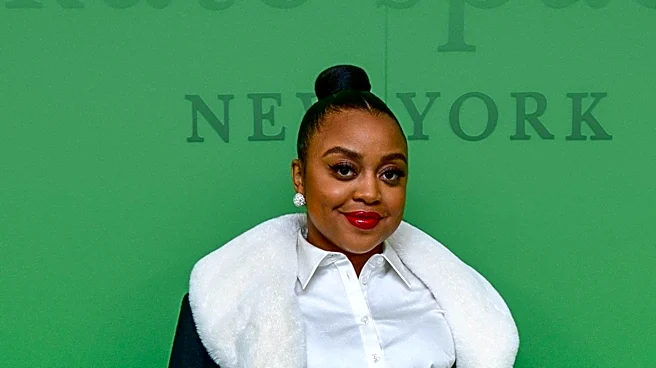
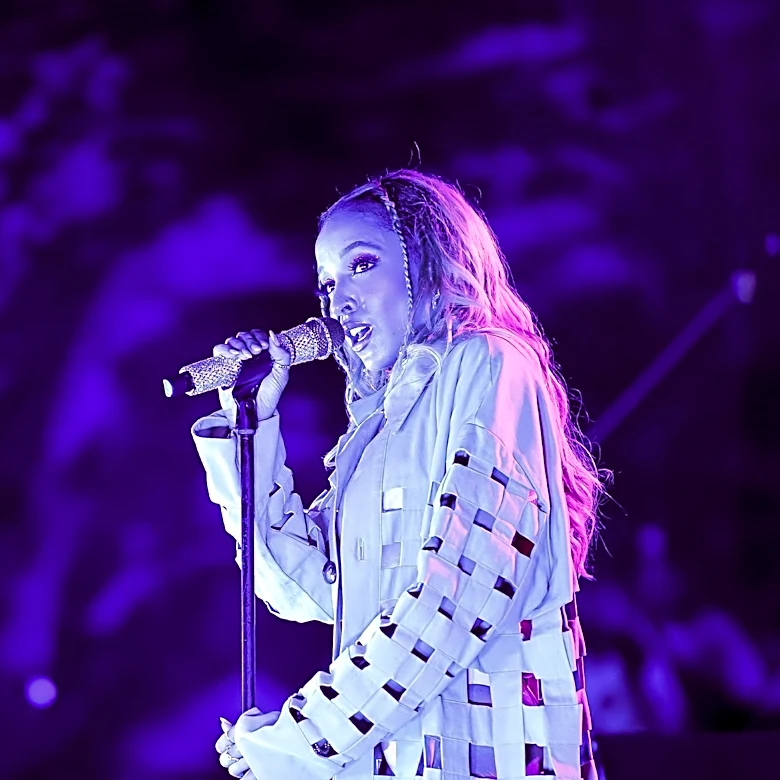
Actress and singer Keke Palmer has released a new Halloween-themed song titled 'Keke Frankenstein.' The theatrical track, which tells the story of a creation coming to life, has generated online discussion regarding the potential involvement of artificial
intelligence in its creation. Commenters have pointed to vocal effects and lyrical rhythm as potentially unnatural, leading to unconfirmed questions about AI's role in the songwriting and production process. Palmer has not yet publicly addressed these claims or confirmed how the song was made. No commercial figures, such as streams, chart positions, or sales, have been reported for the release, and Palmer's songwriting and production credits have not been published, leaving the creative process unverified. Palmer also shared a music video for the song, in which she portrays both the doctor and the creature.
Why It's Important?
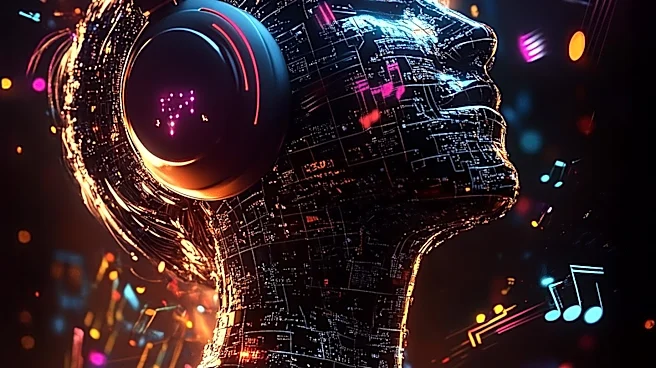
The speculation surrounding AI authorship in Keke Palmer's new release highlights a growing debate within the music industry concerning the use of generative AI tools in songwriting and vocal production. As AI technology becomes more accessible and sophisticated, artists and record labels are facing increasing pressure to disclose the extent to which AI is utilized in their recordings. This situation underscores the evolving landscape of music creation and the ethical considerations that arise with technological advancements. For listeners, the debate raises questions about authenticity, artistic integrity, and the value of human creativity in music. The lack of transparency regarding AI involvement can impact public perception and trust in artists, potentially influencing how music is consumed and valued in the future.
What's Next?
Listeners interested in the creative process behind 'Keke Frankenstein' will need to await official songwriting credits from Keke Palmer or her team to confirm the methods used in the song's creation. The ongoing discussion around AI's role in music is likely to continue, with more artists and labels potentially facing similar scrutiny. This could lead to increased calls for industry standards or regulations regarding the disclosure of AI usage in music production. The situation may also prompt Palmer to issue a statement clarifying the creative process, which could either quell or further fuel the debate. The broader industry will likely continue to grapple with how to integrate AI tools while maintaining transparency and addressing concerns about artistic authenticity.
Beyond the Headlines
The discussion surrounding 'Keke Frankenstein' touches upon deeper implications regarding the future of artistic creation and intellectual property in the age of artificial intelligence. If AI tools become commonplace in music production without clear disclosure, it could blur the lines of authorship and ownership, potentially leading to legal and ethical challenges. The debate also reflects a broader societal conversation about the role of technology in creative fields and the definition of 'art' itself when machines contribute significantly to its generation. This development could influence how copyright laws are interpreted and enforced in the digital age, as well as shape consumer expectations about the origin and authenticity of creative works. The long-term impact could see a shift in how artists collaborate, how music is produced, and how audiences engage with new releases.