


What's Happening?
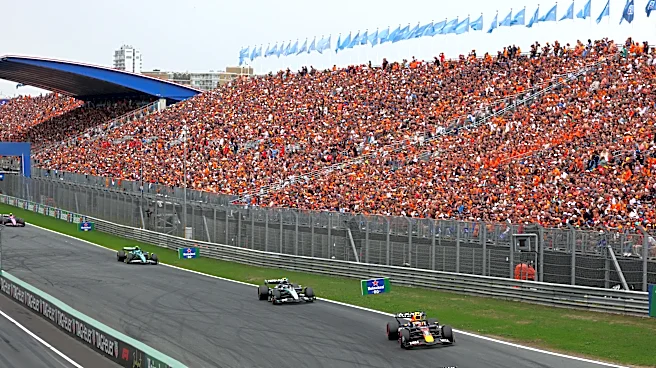
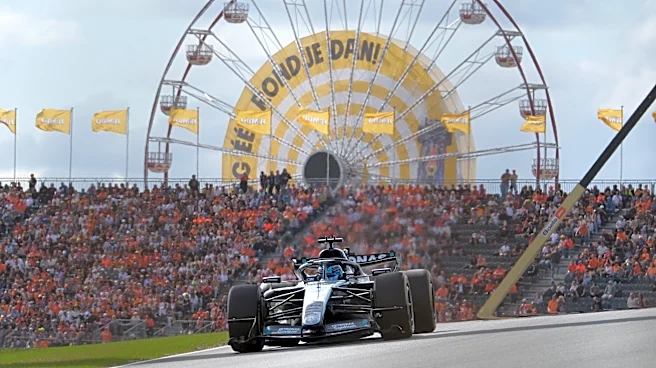
Argentine driver Franco Colapinto received a controversial drive-through penalty during the Dutch Grand Prix for overtaking Yuki Tsunoda under a double yellow flag. The incident occurred on the opening lap at Turn 14, following a significant crash by
Max Verstappen that left debris on the track. Colapinto stated that he moved to the left to avoid a loose tire from Verstappen's car, a maneuver he considered a logical action to prevent a collision. However, race authorities deemed this an illegal overtake within a prohibited zone, which strictly forbids passing and requires drivers to slow down. The penalty forced Colapinto to enter the pit lane mid-race, sending him to the back of the grid and significantly impacting his performance, leading to a 14th-place finish. He also accumulated two penalty points on his F1 superlicence, bringing his total to three within a 12-month period. Later in the race, he received an additional penalty point for not slowing under yellow flags in an unrelated incident, increasing his total to four.
Why It's Important?
This incident highlights ongoing debates within Formula 1 regarding the interpretation and enforcement of safety regulations, particularly under yellow flag conditions. Colapinto's criticism of the stewards' lack of discretion underscores a tension between strict rule application and the dynamic, often instinctual, decisions drivers must make in high-speed, dangerous situations. The penalty not only affected Colapinto's race outcome but also raises questions about fairness and consistency in stewarding, which can have significant implications for drivers' careers and championship standings. For emerging talents like Colapinto, such penalties can be particularly impactful, affecting their ability to demonstrate their capabilities and secure future opportunities in the highly competitive world of F1. The accumulation of penalty points also brings drivers closer to potential race bans, adding another layer of pressure and consequence to these decisions.
What's Next?
Following the Dutch Grand Prix, the Formula 1 season will enter a week-long break before resuming with the Italian Grand Prix at Monza from September 4-6. Colapinto's team may review the incident and potentially engage in discussions with race stewards or the FIA to seek clarification or appeal the decision, though such appeals are often challenging. The incident will likely fuel further discussions among drivers, teams, and governing bodies about the clarity and application of yellow flag rules, potentially leading to revised guidelines or increased emphasis on driver briefings. Drivers will need to adapt to the strict enforcement of these rules, balancing safety protocols with competitive driving. The accumulation of penalty points will remain a concern for Colapinto, requiring him to drive cautiously in upcoming races to avoid further sanctions that could lead to a race suspension.
Beyond the Headlines
The controversy surrounding Colapinto's penalty touches upon the broader philosophical debate in motorsports: the balance between ensuring driver safety and preserving the competitive nature of racing. While safety is paramount, overly rigid interpretations of rules can sometimes penalize drivers for actions taken in self-preservation or under extreme pressure. This incident could contribute to a re-evaluation of how 'avoiding an accident' is weighed against 'gaining an advantage' under yellow flags. It also brings to light the subjective element in stewarding decisions, even with advanced telemetry and video evidence. The long-term implications could include a push for more nuanced regulations or the implementation of real-time, on-track judicial reviews that consider the immediate context of such incidents more thoroughly, aiming for a system that is both safe and perceived as fair by competitors.