


What's Happening?
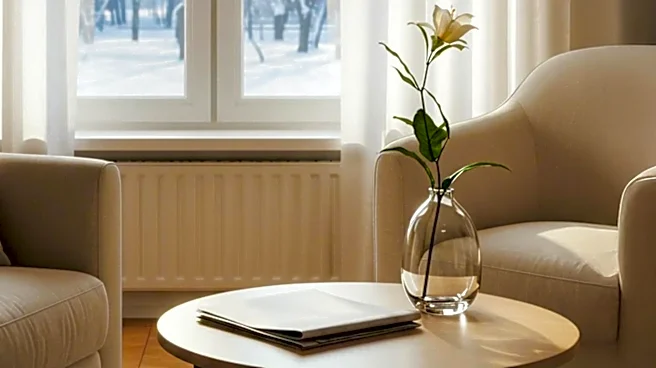
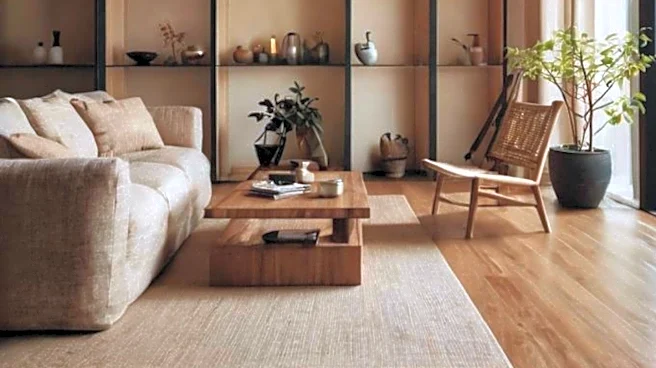
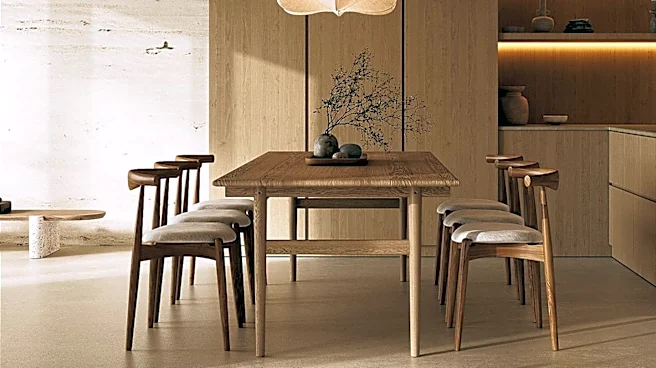
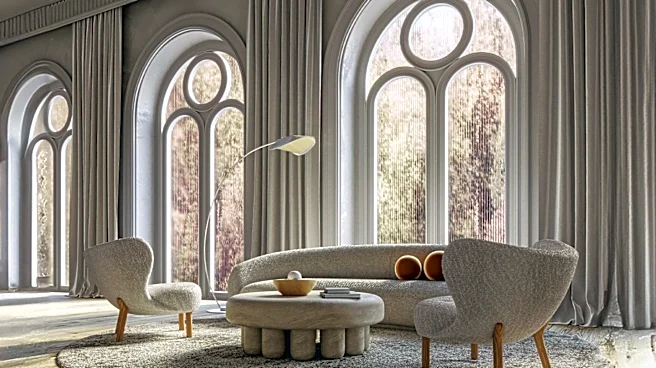
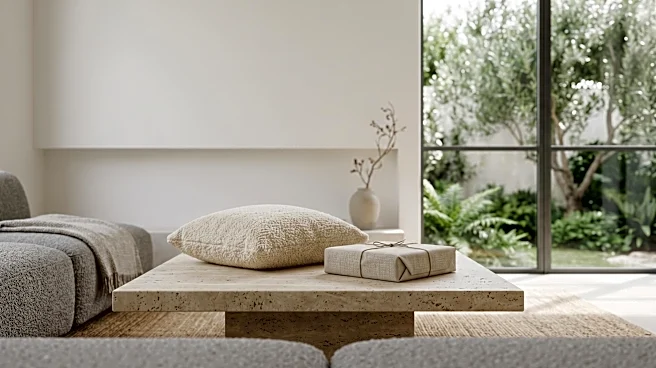
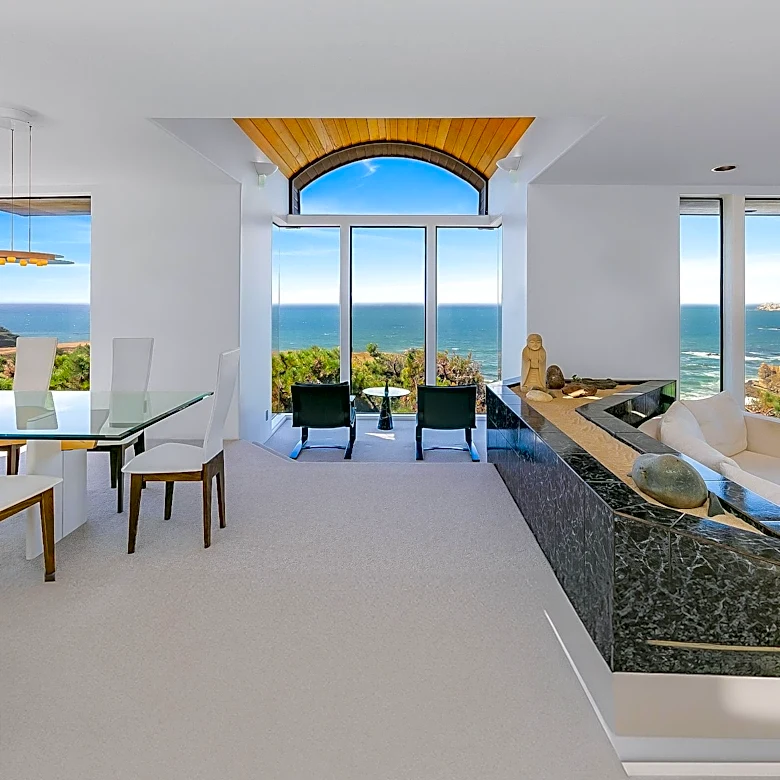
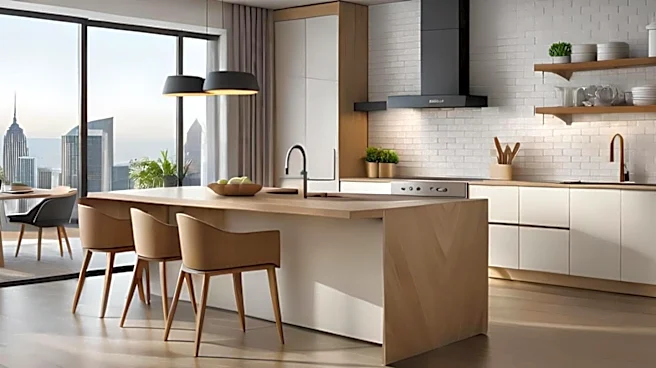
Interior design in Dubai is undergoing a significant transformation, moving away from maximalist glamour towards a 'quiet luxury' aesthetic. This shift prioritizes fewer, higher-quality pieces and a sense of calm, focusing on proportion, texture, and craftsmanship
rather than overt shine or branding. Designers are increasingly incorporating materials like travertine, boucle, and linen, and utilizing hidden storage to maintain clear surfaces. This evolution reflects a growing desire among Dubai residents for interiors that age well, are easy to maintain, and provide a retreat from the city's fast pace. The design approach also heavily considers Dubai's unique climate, with strategies such as layered window treatments, light and reflective color palettes, durable materials, and thoughtful artificial lighting to manage intense sun and humidity.
Why It's Important?
This trend in Dubai's interior design market holds significance for U.S. design firms and manufacturers, as it indicates a global movement towards more sustainable and understated luxury. U.S. companies specializing in high-quality, durable furniture and natural materials could find new opportunities in international markets adopting this aesthetic. The emphasis on climate-aware design, including UV-resistant fabrics and efficient lighting, could also influence product development and material science in the U.S., particularly in regions with similar environmental challenges. Furthermore, the shift towards valuing regional heritage and craftsmanship over generic European styles suggests a broader appreciation for unique cultural expressions in design, potentially opening doors for U.S. designers to incorporate diverse influences into their work. This trend highlights a consumer preference for authenticity and longevity, impacting global luxury markets.
What's Next?
The quiet luxury trend in Dubai is expected to continue, with a growing demand for design solutions that are personal, climate-aware, and subtly sophisticated. This will likely lead to increased collaboration between international designers and local artisans to incorporate regional heritage in modern ways. Manufacturers will need to focus on producing durable, high-quality materials that can withstand challenging climates while maintaining an understated aesthetic. The integration of smart home technology, discreetly embedded within the design, will also become more prevalent to manage comfort and energy efficiency. For U.S. design professionals, understanding these evolving international preferences will be crucial for engaging with a global clientele and adapting their offerings to meet the demands of a more discerning and environmentally conscious luxury market.
Beyond the Headlines
The move towards quiet luxury in Dubai's interior design is more than just a stylistic preference; it reflects a deeper societal evolution. As residents increasingly settle in Dubai for longer periods, their homes are becoming less about transient displays of wealth and more about creating personal, functional, and enduring spaces. This shift underscores a global re-evaluation of what 'luxury' truly means, moving from conspicuous consumption to an appreciation for intrinsic quality, comfort, and sustainability. It also highlights the importance of design that responds to local environmental conditions and cultural contexts, fostering a more authentic and responsible approach to architecture and interior design worldwide. This trend could inspire U.S. consumers and designers to prioritize thoughtful, long-term investments in their living spaces, promoting a more sustainable and meaningful relationship with their homes.