
What's Happening?
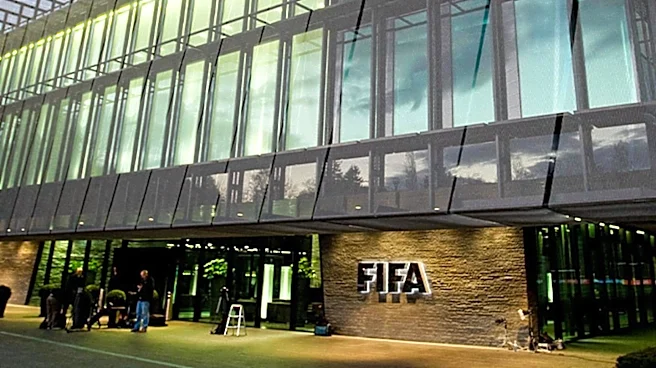
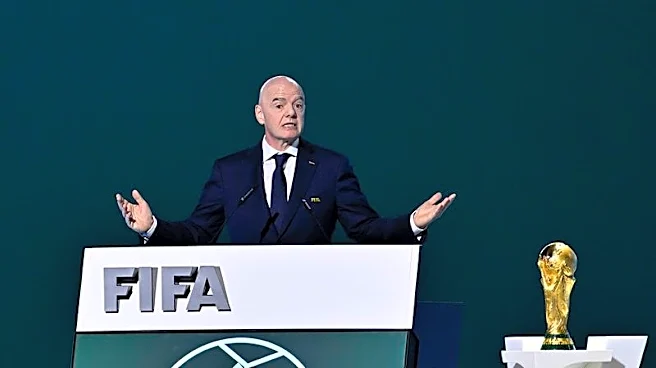
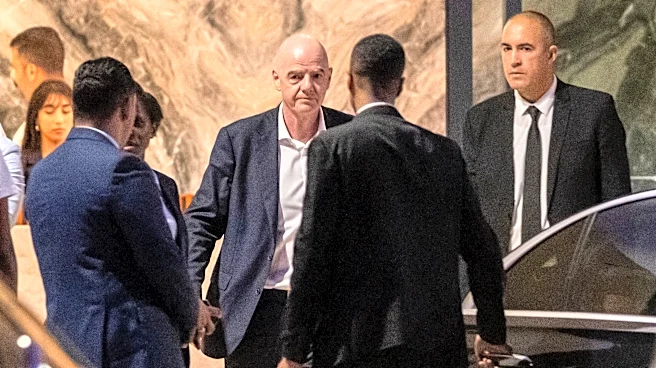
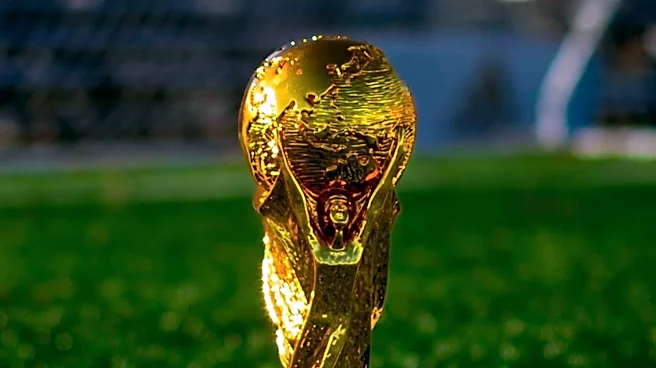
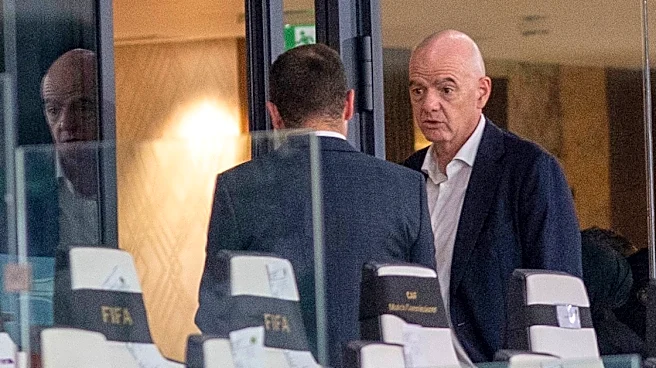
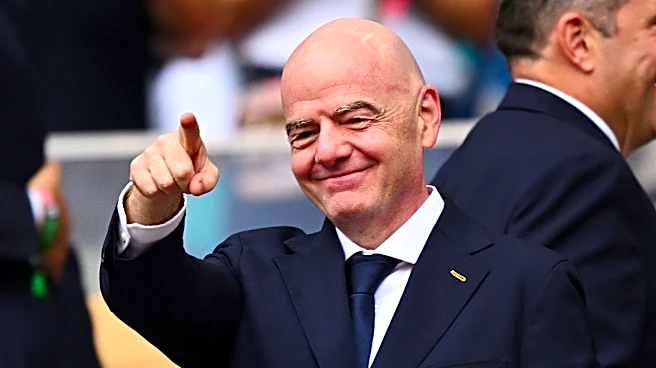
UEFA has announced that its 55 member associations will continue to boycott FIFA competitions, citing unmet conditions for their return. This decision follows FIFA President Gianni Infantino's proposal to sell minority stakes in World Cups, which was
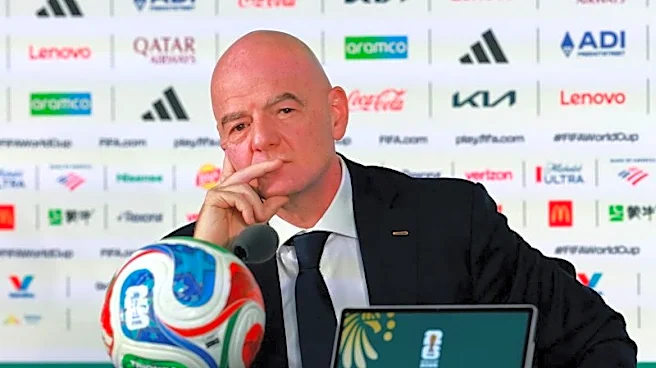
later withdrawn under pressure. UEFA demands assurances that such proposals will not be repeated. Despite Infantino's efforts to present a united front, UEFA remains firm in its stance, emphasizing a lack of confidence in Infantino's leadership.
Why It's Important?
UEFA's continued boycott of FIFA events underscores significant tensions within global football governance. The boycott could impact FIFA's ability to organize and promote international competitions, potentially affecting sponsorships, viewership, and revenue. UEFA's stance highlights broader concerns about governance and transparency within FIFA, which could lead to calls for leadership changes. The situation reflects ongoing challenges in balancing commercial interests with the integrity of the sport.
What's Next?
The first test of UEFA's boycott will occur on September 5, when Poland hosts the FIFA Women's Under-20 World Cup. UEFA's decision could influence other regional football bodies and stakeholders, potentially leading to broader calls for reform within FIFA. The situation may also prompt discussions about the future leadership of FIFA, with UEFA advocating for a president capable of uniting global football. The outcome of these developments could shape the future of international football governance.