


What's Happening?
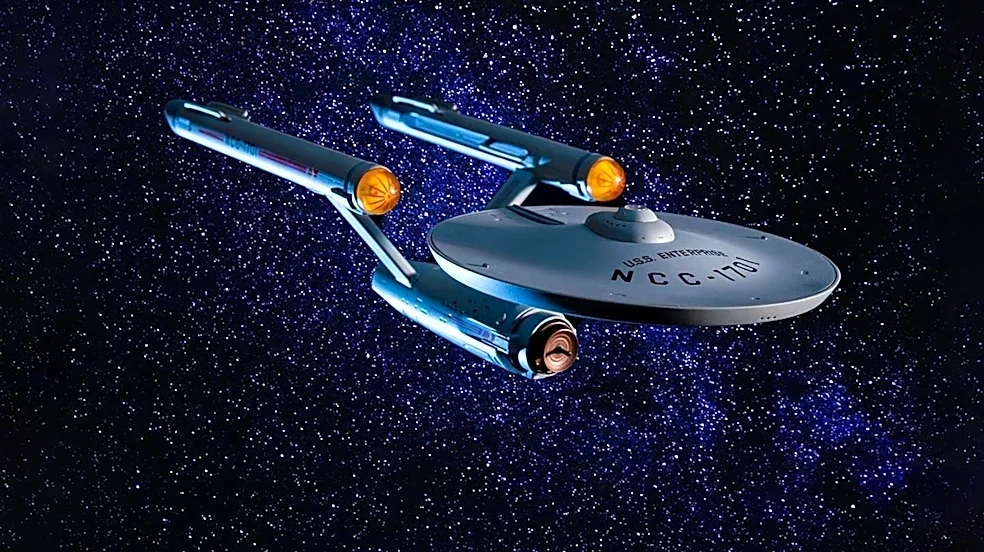
A planned crossover miniseries between 'Star Trek: Strange New Worlds' and 'Doctor Who' has been shelved due to corporate disagreements between Paramount and Disney. 'Star Trek: Strange New Worlds' co-showrunner Akiva Goldsman and 'Doctor Who' writer
Russell T. Davies had been actively developing the project, which was envisioned as a multi-part special or miniseries. The concept even included a tease in a 'Strange New Worlds' episode, suggesting that Pelia (Carol Kane), the USS Enterprise's chief engineer, was a former companion of the Doctor. According to Davies, he and fellow 'Doctor Who' writer Steven Moffat had tickets booked to Los Angeles to join the 'Strange New Worlds' writers' room to further develop the crossover. However, the primary obstacle proved to be the inability of Paramount (owner of 'Star Trek') and Disney (which had a partnership with 'Doctor Who' at the time) to agree on which platform would have the first-run rights to air the miniseries. This corporate bickering ultimately led to the cancellation of the highly anticipated project, despite strong creative interest from both sides.
Why It's Important?
The cancellation of the 'Star Trek' and 'Doctor Who' crossover highlights the significant impact of corporate ownership and distribution rights on creative projects in the entertainment industry. This incident underscores how inter-company rivalries and disputes over intellectual property and broadcasting priority can override artistic collaboration and fan demand. For viewers, it means missing out on a potentially landmark event that would have brought together two of science fiction's most iconic franchises. For the studios involved, it represents a lost opportunity for a major viewership draw and potential revenue stream, as such crossovers often generate considerable buzz and attract diverse fan bases. The situation also reflects a broader trend in media, where consolidation and competition among streaming platforms and content owners can create barriers to collaborative ventures, prioritizing exclusive content deals over shared creative endeavors. This outcome could influence future cross-franchise discussions, making studios more cautious about engaging in projects that involve multiple major corporate entities.
What's Next?
For now, fans of both 'Star Trek' and 'Doctor Who' will have to content themselves with non-canonical crossovers, such as the comic book 'Assimilation²,' which previously brought together characters from both universes. There are no immediate plans to revive the miniseries project, as the corporate hurdles that led to its cancellation remain. The incident may serve as a cautionary tale for other studios considering similar cross-property collaborations, potentially leading to more stringent pre-production agreements regarding distribution rights. While the creative teams expressed strong interest, the corporate impasse suggests that any future attempts would require a significant shift in the business strategies or partnership agreements between Paramount and Disney. The focus for both franchises will likely remain on their individual series and expansions, with any future crossover discussions needing to navigate complex ownership and distribution landscapes from the outset.
Beyond the Headlines
This situation reveals a deeper tension within the modern entertainment landscape: the conflict between creative ambition and corporate control. While writers and producers are eager to explore innovative storytelling opportunities that excite fan bases, the ultimate decision-making power often rests with corporate executives focused on market share and exclusive content. This dynamic can stifle creativity and limit the scope of potential projects, especially those involving multiple major studios. The 'Star Trek' and 'Doctor Who' crossover's demise illustrates how intellectual property, once a tool for creative expansion, can become a barrier when corporate entities prioritize proprietary control over collaborative ventures. It also raises questions about the long-term impact of media consolidation on the diversity and interconnectedness of fictional universes, suggesting that while individual franchises may thrive, the potential for grand, multi-studio narratives might diminish under the weight of corporate competition.