




What's Happening?
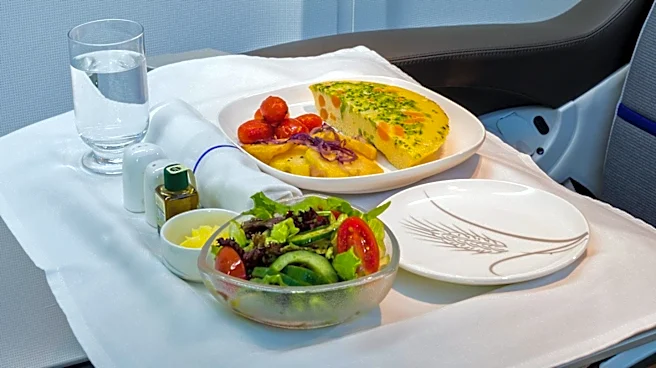
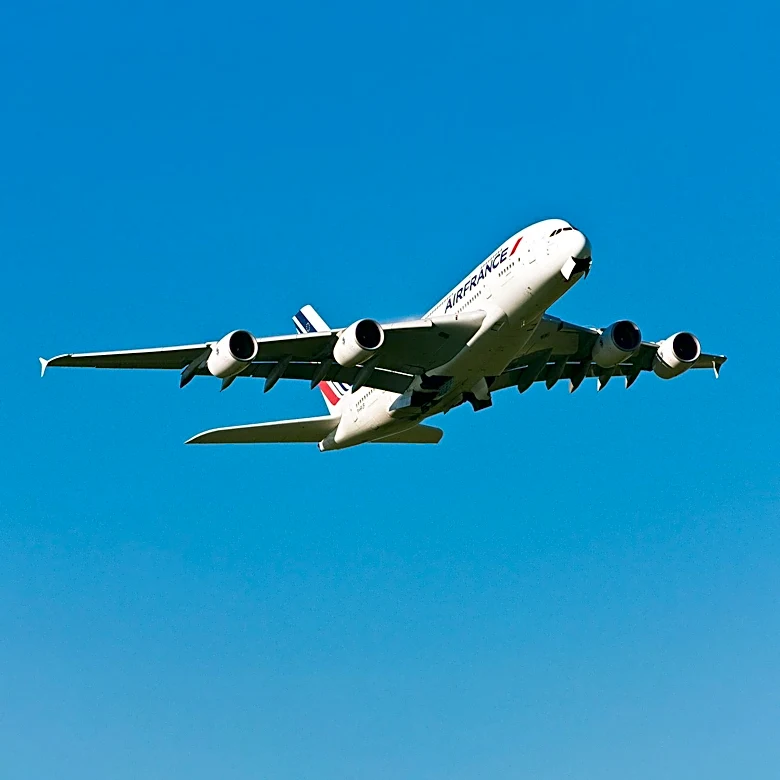
Air France provided a notably elegant Business Class meal on a short 250-mile flight between Basel and Paris. Despite the brief duration, the airline offered a well-presented meal box as part of a catering concept introduced in 2024, developed with Servair
Corporate Chef François Adamski. For flights departing after 10:00 am, the service includes a 'signature' sandwich and a French sweet or dessert, with selections changing monthly. On this particular flight, the meal featured two smoked salmon finger sandwiches with a creamy herb filling on brown bread, accompanied by a small pecan tart and a chocolate. The airline emphasizes the use of local and seasonal ingredients, including French-origin meat, poultry, dairy products, PDO cheeses, and sustainably sourced fish. Wine and Champagne are also served in proper glassware, even on these short routes.
Why It's Important?
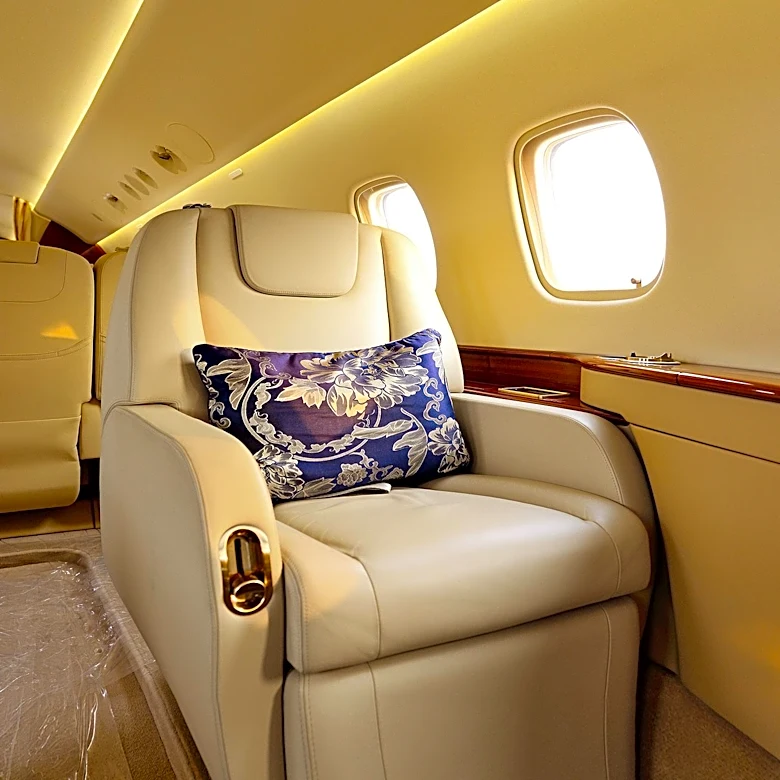
This approach to short-haul Business Class catering by Air France sets a high standard that could influence passenger expectations and competitive strategies within the U.S. airline industry. While U.S. domestic flights of similar duration often offer minimal or no meal service in premium cabins, Air France's commitment to an elegant, quality meal, even on a 250-mile route, highlights a significant difference in service philosophy. This could lead U.S. travelers to compare domestic premium offerings unfavorably with international standards, potentially increasing pressure on U.S. carriers to enhance their own short-haul premium services. The focus on local and seasonal ingredients also aligns with broader consumer trends towards sustainability and quality, which could encourage U.S. airlines to re-evaluate their catering partnerships and menus.
What's Next?
The detailed and positive reception of Air France's short-haul Business Class meal service could prompt U.S. airlines to re-evaluate their own catering strategies for domestic premium cabins. While a direct replication might not be immediately feasible due to operational differences and cost structures, there could be a push towards offering more substantial and higher-quality meal options on shorter routes. This might involve introducing more curated meal boxes, partnering with renowned chefs, or emphasizing local ingredients. Such changes would likely be driven by increasing passenger expectations, fueled by exposure to international airline standards, and could lead to a gradual improvement in the domestic premium travel experience in the U.S.
Beyond the Headlines
The provision of an elegant meal on a very short flight, as demonstrated by Air France, underscores a cultural difference in how value is perceived in air travel. In some European contexts, even brief journeys are seen as opportunities for a refined experience, whereas in the U.S., efficiency and cost-effectiveness often take precedence for short domestic flights. This disparity highlights varying consumer expectations and airline business models. The emphasis on presentation and quality, even for a simple meal, suggests a deeper understanding of the psychological impact of service on passenger satisfaction. It also reflects a broader trend in the hospitality industry where even small details contribute significantly to the overall brand perception and customer loyalty, potentially influencing how U.S. airlines approach their premium offerings.