




What's Happening?
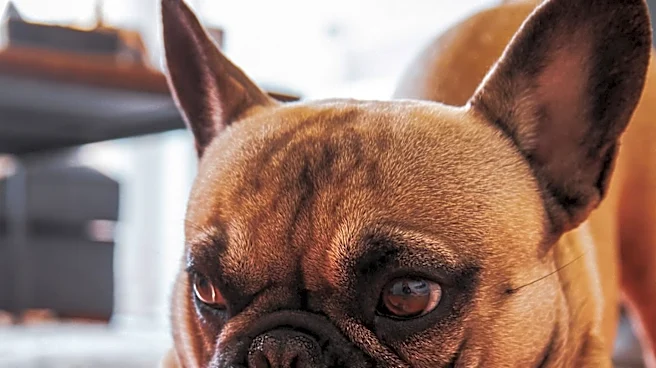
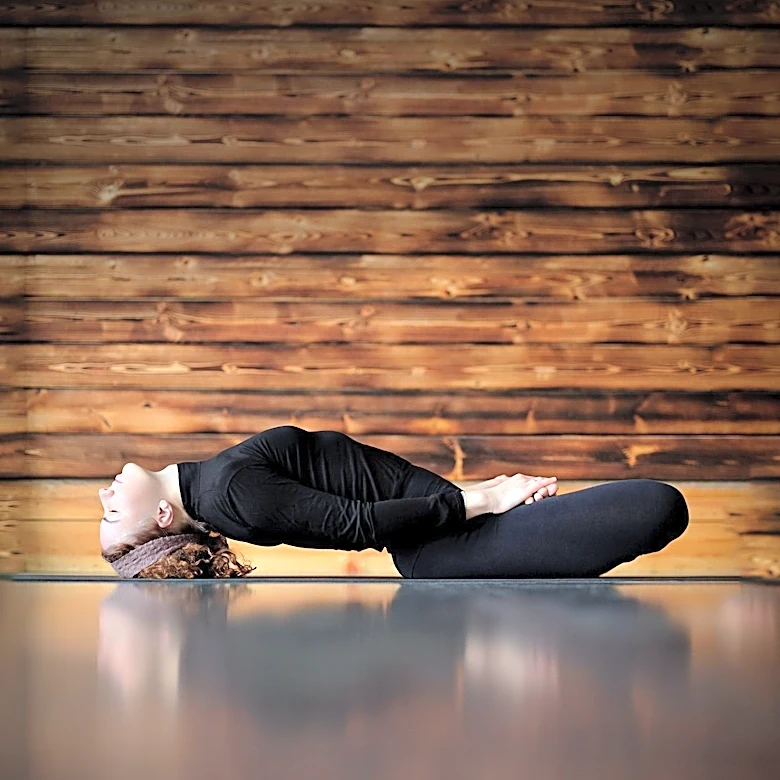
Yoga instructors in North Carolina are now offering 'puppy yoga' classes, which combine traditional yoga practices with the presence and interaction of puppies. Jessica Seisay, one of many instructors hosting these classes, notes that the concept aims
to merge two popular interests: yoga and puppies. Participants engage in yoga poses while puppies roam freely, often interacting with individuals. Attendees describe the experience as calming and stress-reducing. According to Amy O'Rourke, an expert from Aging Untold, contact with animals has been shown to lower cortisol levels and boost 'feel-good' chemicals like serotonin, positively impacting the body's stress response. The classes are also highlighted for their socialization benefits, fostering camaraderie among participants.
Why It's Important?
The emergence of 'puppy yoga' in North Carolina reflects a growing trend in wellness that integrates animal interaction for therapeutic benefits. This practice is important because it offers a unique approach to stress reduction and mental well-being, leveraging the known physiological and psychological benefits of human-animal interaction. In a society where stress levels are often high, innovative methods to promote relaxation and happiness are valuable. The classes provide a dual benefit: the physical and mental advantages of yoga, combined with the emotional uplift and calming effect of being around puppies. This can lead to improved mood, reduced anxiety, and enhanced social connections among participants, contributing to overall community well-being. The concept also provides a socialization opportunity for the puppies, which can be beneficial for their development.
What's Next?
As 'puppy yoga' gains popularity, it is likely that more instructors and wellness centers across North Carolina and potentially other states will adopt similar programs. The success of these classes could lead to further exploration of animal-assisted therapy within broader wellness contexts, potentially incorporating other animals or expanding to different types of therapeutic activities. Research into the specific benefits of such combined practices may also increase, providing more scientific backing for their efficacy. The trend could also influence animal shelters and rescue organizations, offering them a unique platform for puppy socialization and potential adoptions, as participants form bonds with the animals during the sessions. The continued demand for unique and engaging wellness experiences will likely drive the expansion and evolution of such programs.
Beyond the Headlines
Beyond the immediate benefits of stress reduction and physical activity, 'puppy yoga' touches upon deeper aspects of human connection with nature and animals, and the evolving landscape of wellness. It highlights a societal desire for authentic, joyful experiences that counteract the pressures of modern life. The practice subtly promotes animal welfare by providing socialization for puppies and potentially increasing their chances of adoption, fostering a sense of responsibility and empathy among participants. Ethically, it raises questions about the welfare of the animals involved, ensuring they are treated humanely and are comfortable in such environments. Culturally, it represents a blend of ancient practices (yoga) with contemporary therapeutic approaches, reflecting a holistic view of health that encompasses emotional, physical, and social dimensions. This trend could signify a broader shift towards more experiential and interactive forms of wellness.