


What's Happening?
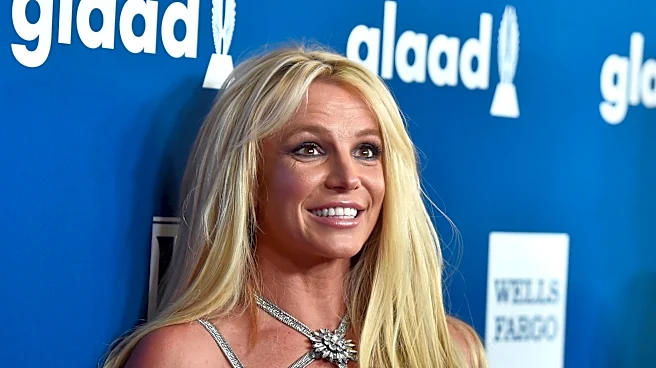
Britney Spears, the 44-year-old singer, recently posted an Instagram video claiming that every man she has dated suggested she undergo cosmetic surgery and hair implants to alter her appearance, specifically to make her forehead appear smaller. While
she did not name individuals, her past high-profile partners include Justin Timberlake, Jason Trawick, and ex-husbands Jason Alexander, Kevin Federline, and Sam Asghari. In the same series of updates, Spears announced plans to launch a new jewelry line in the UK. She mentioned considering changing the line's name from 'B Tiny' to avoid weight-related connotations and stated that the collection would feature a Japanese sword, symbolizing justice and strength for women. Earlier this month, Spears had criticized her sister Jamie Lynn Spears and ex-husband Federline, expressing a desire for a new family, though she later posted a public apology to her family that has since been deleted.
Why It's Important?
Britney Spears' public statements regarding cosmetic surgery suggestions from former partners highlight broader societal pressures on women's appearance, particularly for those in the public eye. Her comments resonate with ongoing discussions about body image, self-acceptance, and the often-unrealistic beauty standards imposed by the entertainment industry and media. For her fans and the public, this revelation offers a glimpse into the personal struggles faced by celebrities, potentially fostering empathy and contributing to a wider dialogue about the impact of such pressures. The announcement of her new jewelry line, featuring a Japanese sword as a symbol of strength, suggests a personal and artistic response to these experiences, aiming to empower women. This venture could also mark a new chapter in her career, diversifying her brand beyond music and potentially influencing trends in celebrity-backed fashion and accessories.
Beyond the Headlines
Spears' decision to publicly address the pressure she faced regarding her appearance delves into the ethical implications of celebrity culture and the objectification of women. It raises questions about the responsibility of partners and the media in perpetuating harmful beauty ideals. Her choice of a Japanese sword as a symbol for her jewelry line is particularly significant, moving beyond mere aesthetics to convey a message of resilience and empowerment. This symbolic gesture could inspire other women to challenge conventional beauty standards and embrace their authentic selves. Furthermore, her candidness contributes to a growing movement of public figures using their platforms to discuss mental health, body positivity, and personal autonomy, potentially shifting cultural narratives around celebrity and self-worth.