



What's Happening?
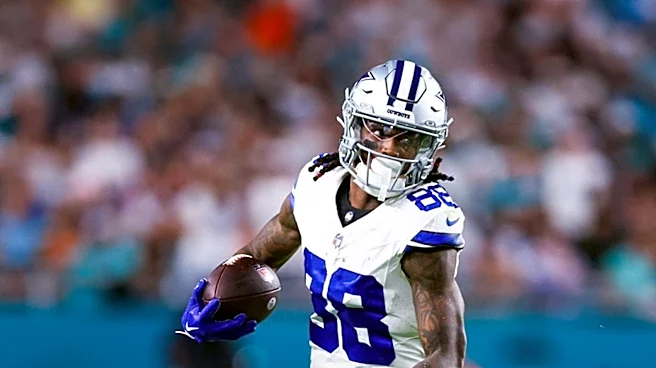
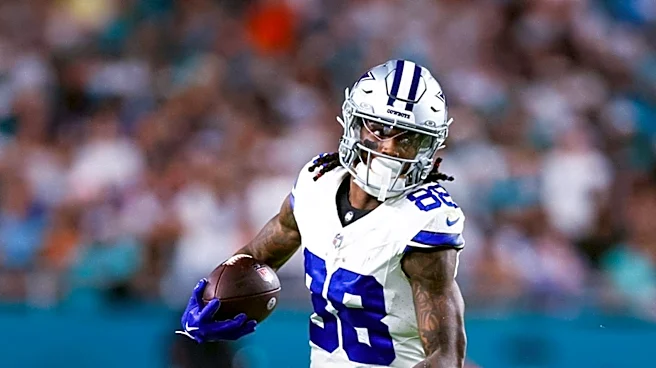
Marshawn Kneeland, a former defensive end for the Dallas Cowboys, was found to have early stage chronic traumatic encephalopathy (CTE) after his death, according to his family. Kneeland died by suicide in November 2025 following a high-speed police chase.
The Boston University CTE Center analyzed his brain tissue and determined he was in stage one of four of CTE, a degenerative brain disease linked to repeated head trauma. CTE is known to cause mood swings, impulsive behavior, and depression, and can only be diagnosed posthumously. Kneeland's family shared this information to raise awareness about the struggles athletes in high-contact sports may face. Kneeland began playing tackle football at age seven and was drafted by the Cowboys in 2024.
Why It's Important?
The diagnosis of CTE in Marshawn Kneeland highlights ongoing concerns about the long-term health impacts of contact sports, particularly football. This case underscores the need for continued research and improved safety protocols to protect athletes from repetitive head trauma. The revelation also adds to the growing body of evidence linking CTE to mental health issues and tragic outcomes, prompting calls for more comprehensive prevention strategies. The NFL and other sports organizations may face increased pressure to address these risks and implement measures to safeguard players' health.
What's Next?
The disclosure of Kneeland's CTE diagnosis may lead to further discussions and potential policy changes within the NFL and other sports leagues regarding player safety. Stakeholders, including sports organizations, medical professionals, and advocacy groups, might push for enhanced safety protocols and better support systems for athletes. The case could also influence future research funding and public awareness campaigns aimed at understanding and preventing CTE.