



What's Happening?
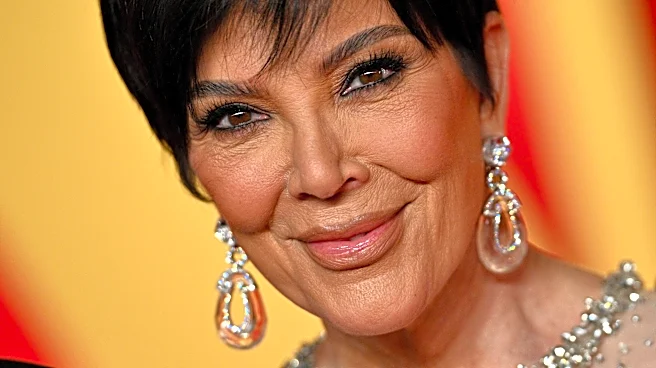
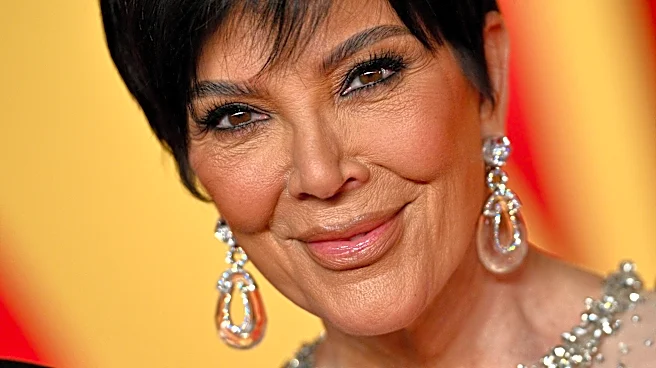
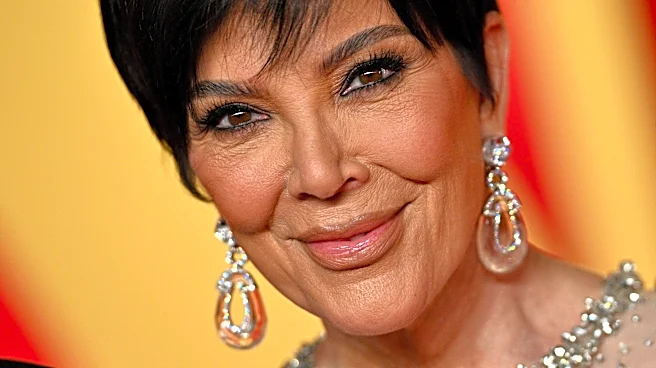
Kris Jenner, the 71-year-old matriarch of the Kardashian family, has publicly disclosed undergoing a MonaLisa treatment for vaginal rejuvenation. This revelation was made during a conversation with her friend, Shelli Azoff, in a recent episode of her family's
docureality show. Jenner expressed her satisfaction with the procedure, stating that her vagina is now 'perfect and pretty,' and emphasized her philosophy of 'living life.' The treatment, commonly known as MonaLisa Touch, is a fractional CO2 laser designed to address the vaginal mucosa. It primarily aims to alleviate menopausal symptoms such as dryness, irritation, burning, and painful intercourse, which are often caused by the thinning of vaginal tissues due to estrogen decline. While many clinics offer this treatment, claiming it nourishes and hydrates the mucosal tissue, thickens the epithelium, and restores proper vaginal pH, the American College of Obstetricians and Gynecologists considers its efficacy to be limited and experimental outside of clinical trials for menopausal effects. Jenner has previously undergone various cosmetic procedures, including two facial lifts, breast augmentation and reduction, Botox, dermal fillers, and laser skin treatments.
Why It's Important?
Kris Jenner's public disclosure of undergoing a MonaLisa treatment for vaginal rejuvenation holds significance for several reasons. Firstly, as a prominent public figure, her openness about such a personal and often stigmatized procedure can contribute to normalizing discussions around women's intimate health and aging. This could empower other women to explore similar treatments without shame, potentially increasing demand for such aesthetic medical services. Secondly, the controversy surrounding the treatment's efficacy, as noted by the American College of Obstetricians and Gynecologists, highlights a broader issue within the aesthetic medicine industry: the balance between patient demand, celebrity endorsement, and scientific evidence. This could prompt increased scrutiny from medical bodies and consumers regarding the claims made by clinics offering these procedures. Finally, Jenner's consistent pursuit of cosmetic enhancements, including this latest revelation, reinforces the cultural pressure on women, particularly in the entertainment industry, to maintain a youthful appearance. This ongoing narrative can influence beauty standards and consumer behavior, driving further interest in anti-aging and aesthetic treatments across various demographics.
What's Next?
Following Kris Jenner's public announcement, it is likely that there will be increased public interest and discussion surrounding vaginal rejuvenation treatments, particularly the MonaLisa Touch. Clinics offering this procedure may experience a surge in inquiries and appointments, driven by the celebrity endorsement. Conversely, medical organizations and consumer advocacy groups might intensify their efforts to educate the public about the scientific evidence and potential risks associated with such treatments, especially given the American College of Obstetricians and Gynecologists' stance on its experimental nature. The docureality show featuring Jenner's life may further explore the topic, potentially showcasing more details about the procedure or its effects, which could either fuel or temper public enthusiasm. Additionally, the broader conversation around women's health and aging, particularly in the context of aesthetic medicine, is expected to continue, with potential impacts on how these procedures are marketed and regulated in the future.
Beyond the Headlines
Kris Jenner's decision to openly discuss her MonaLisa treatment extends beyond a mere celebrity endorsement; it touches upon deeper societal and ethical considerations. Her candidness challenges the traditional silence surrounding women's intimate health issues, potentially fostering a more open dialogue about aging, sexuality, and body image. This could lead to a cultural shift where women feel more comfortable seeking solutions for concerns that were once considered taboo. However, it also raises ethical questions about the influence of celebrity on medical choices, especially when the efficacy of a treatment is still under debate within the medical community. The promotion of such procedures by public figures, even implicitly, can create unrealistic expectations and potentially lead individuals to undergo treatments without fully understanding the scientific backing or potential risks. This highlights the ongoing tension between personal autonomy in aesthetic choices and the responsibility of public figures and the medical industry to provide accurate, evidence-based information, shaping long-term perceptions of beauty, aging, and medical intervention.