





What's Happening?
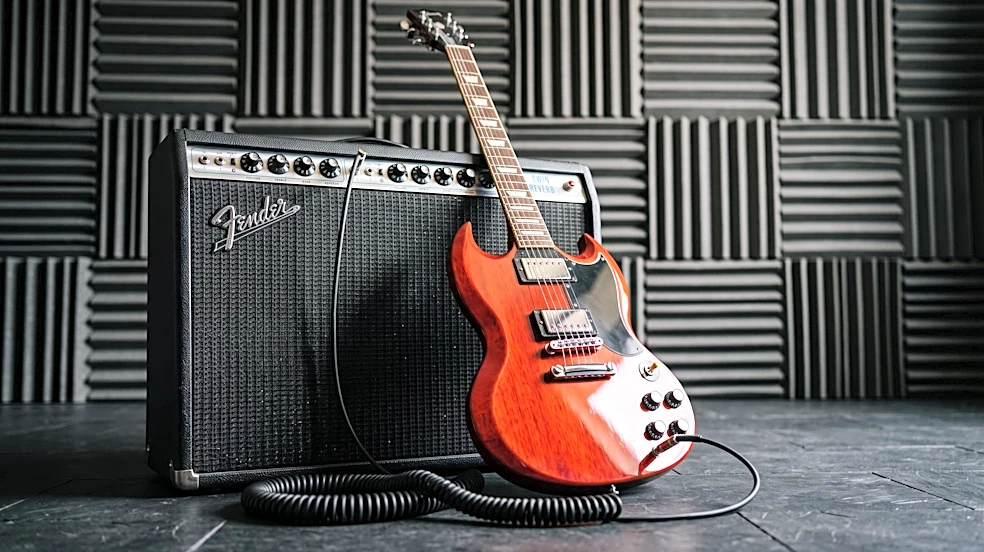
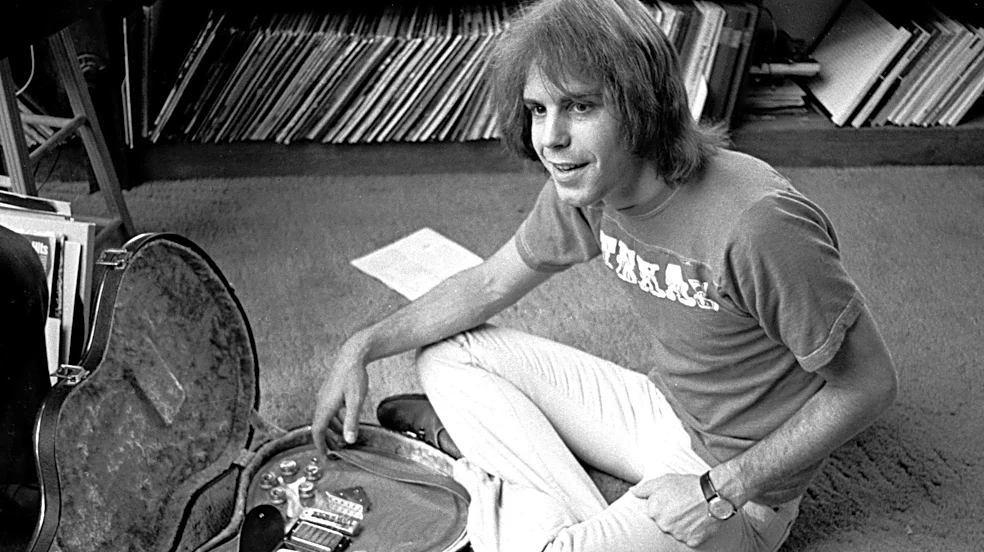
ToneMirror, a platform specializing in guitar tone settings, has provided a detailed breakdown of how to achieve the guitar sound for 'Mona' by Quicksilver Messenger Service. The song, released in 1969 on the album 'Happy Trails,' is a psychedelic rock
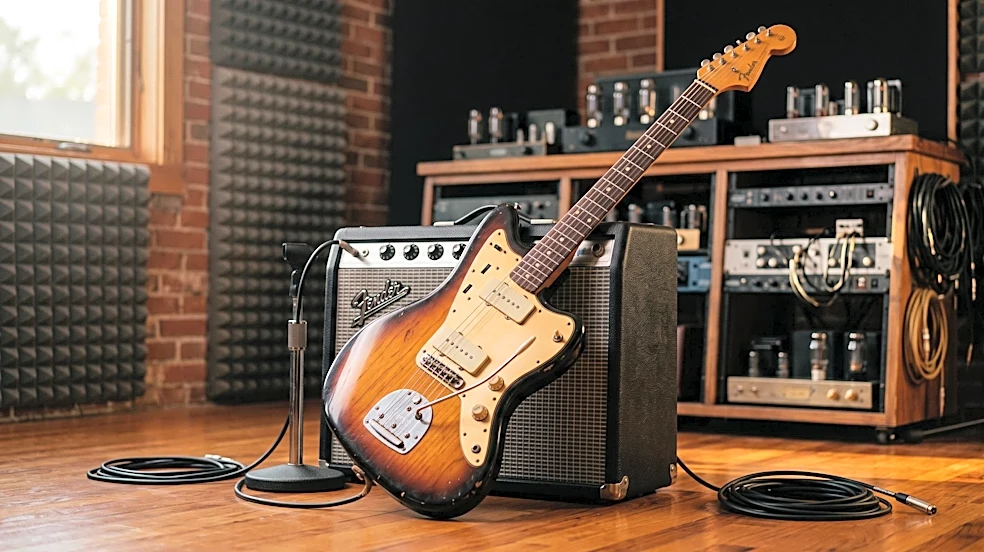
and jam band classic. The original setup for the 'Mona' tone involved a Gibson SG Standard guitar connected to a Fender Twin Reverb amplifier. Specific amplifier settings are provided for a standard 0-10 amp scale: Gain 5, Bass 5, Mid 5, Treble 6, Presence 5, and Volume 7. ToneMirror emphasizes that these settings are tailored for a Twin Reverb and may require adjustments for different amplifier models. The platform also offers a service to adapt these settings to a musician's specific gear, including various amplifiers and pedals, ensuring the translated tone accurately reflects the original recording's sound.
Why It's Important?
This detailed guide is significant for musicians, particularly guitarists, who aim to replicate the iconic sounds of classic rock. By providing precise amplifier settings and gear recommendations, ToneMirror enables a deeper understanding and practical application of historical recording techniques. This resource helps preserve the sonic heritage of influential bands like Quicksilver Messenger Service, allowing new generations of musicians to explore and learn from their distinct sounds. The ability to adapt these settings to various modern and vintage equipment democratizes access to these tones, making them achievable for a wider range of players regardless of their specific gear. This fosters musical education and creativity, potentially inspiring new interpretations and compositions rooted in classic rock aesthetics.
What's Next?
Musicians interested in replicating the 'Mona' tone can utilize the provided settings as a starting point. ToneMirror's service to adapt these settings to individual gear suggests a continued effort to make classic tones accessible across diverse equipment. This approach could lead to more musicians experimenting with historical sounds, potentially influencing contemporary music production and performance. The platform may continue to release similar tone guides for other classic songs, further expanding its utility for the music community. The emphasis on adapting settings rather than strict replication highlights a trend towards personalized sound engineering for guitarists.
Beyond the Headlines
The detailed analysis of guitar tones like 'Mona' goes beyond mere technical instruction; it delves into the artistry and sonic identity of a band. Understanding the specific gear and settings used by Quicksilver Messenger Service offers insight into the creative choices that shaped the psychedelic rock genre. This level of detail can foster a deeper appreciation for the nuances of sound engineering and the role of equipment in musical expression. It also underscores the enduring influence of classic rock on modern music, demonstrating how foundational sounds continue to be studied and reinterpreted. The availability of such resources contributes to a broader cultural understanding of music history and its technical underpinnings.