
What's Happening?
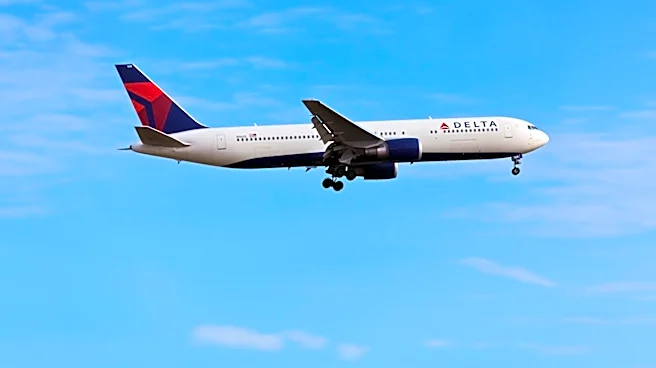
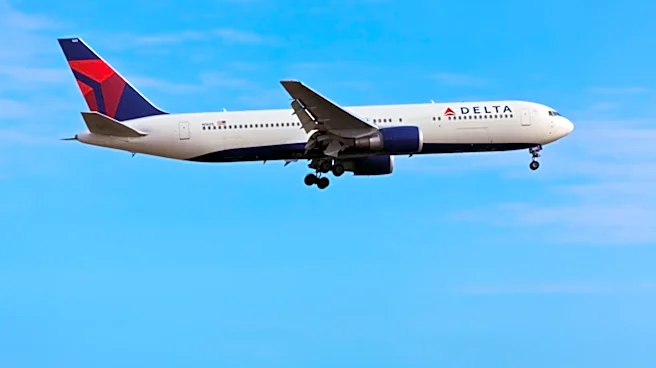
Delta Airlines is set to introduce live sports viewing on its long-haul international flights starting this fall, through a new partnership with Sports 24. Passengers will need a Delta SkyMiles account
to access the in-flight Wi-Fi and enjoy uninterrupted live sports. This initiative aims to enhance the entertainment options available to travelers during their journeys. Concurrently, Korean Air is rolling out unlimited free Starlink Wi-Fi for its passengers. The initial installation will be on its widebody Airbus A350-900 and Boeing 777-300 aircraft, which operate long-haul international routes, including those to the U.S. The Korean flag carrier plans to complete the fleet-wide rollout by the end of 2027, following its merger with Asiana. These developments signify a trend towards improved connectivity and entertainment services in the airline industry.
Why It's Important?
These advancements are significant for the U.S. airline industry and its passengers, particularly those traveling on long-haul international routes. Delta's introduction of live sports streaming caters to a large segment of travelers who wish to stay connected to sporting events, potentially increasing passenger satisfaction and loyalty. For U.S. travelers flying Korean Air, the availability of free, unlimited Starlink Wi-Fi represents a substantial upgrade in in-flight connectivity, allowing for seamless work, communication, and entertainment. This could influence passenger choices for international travel, as airlines offering superior connectivity and entertainment options gain a competitive edge. The broader adoption of advanced in-flight technology, such as Starlink, could also pressure other airlines to invest in similar services, driving innovation across the sector and improving the overall travel experience for consumers.
What's Next?
Delta's live sports streaming is scheduled to begin this fall, with passengers requiring a Delta SkyMiles account to access the service. This rollout will likely be monitored by other airlines to assess its impact on passenger engagement and satisfaction. For Korean Air, the initial Starlink Wi-Fi installations on its Airbus A350-900 and Boeing 777-300 aircraft will be followed by a fleet-wide rollout, expected to be completed by the end of 2027, especially after its merger with Asiana. This phased implementation will allow the airline to gather feedback and refine the service. The success of these initiatives could lead to more widespread adoption of similar technologies across the global airline industry, potentially setting new standards for in-flight entertainment and connectivity. Passengers can anticipate a more connected and entertaining travel experience in the coming years.
Beyond the Headlines
The integration of live sports and advanced satellite internet like Starlink into commercial flights represents a deeper shift in how airlines view the passenger experience. Beyond mere entertainment, these services address the growing demand for 'always-on' connectivity, transforming the airplane cabin from a disconnected space into an extension of daily life. This could have implications for business travelers, allowing them to remain productive, and for leisure travelers, who can stay engaged with real-time events. The move also highlights the increasing convergence of aviation and technology sectors, with airlines investing heavily in digital infrastructure. This trend could lead to new business models, such as personalized content delivery or enhanced e-commerce opportunities during flights, further blurring the lines between air travel and other digital experiences. The ethical considerations around data privacy and content access in these connected environments will also become increasingly relevant.