








What's Happening?
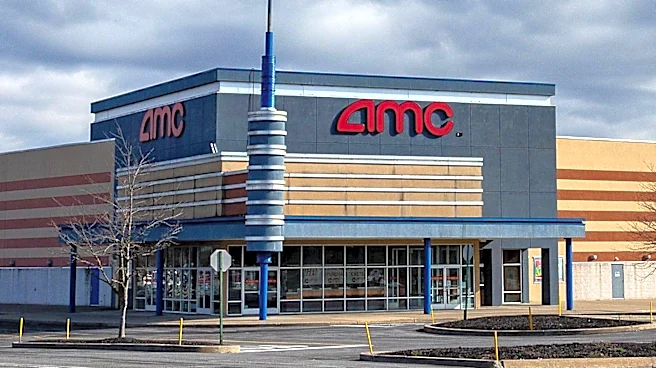
American Multi-Cinema (AMC), a nationwide movie theatre chain, has agreed to pay $56,000 and implement significant remedial relief to settle a federal disability discrimination lawsuit filed by the U.S. Equal Employment Opportunity Commission (EEOC).
The lawsuit alleged that AMC violated federal law at its Owings Mills, Maryland location by forcing a 22-year employee with cerebral palsy to quit around September 2023. According to the EEOC, AMC deprived the employee of reasonable accommodations, including a ticket scanner with a strap and side button, and a large-font printed list of movies and their corresponding theaters, which would have enabled him to perform his job effectively. The suit also claimed that AMC significantly reduced the employee's hours, ultimately compelling him to resign. This conduct was deemed a violation of the Americans with Disabilities Act (ADA), which mandates employers to provide reasonable accommodations for qualified individuals with disabilities unless it causes undue hardship.
Why It's Important?
This settlement reinforces the critical protections afforded by the Americans with Disabilities Act (ADA) and highlights the EEOC's commitment to enforcing these rights. For individuals with disabilities, this case underscores the legal obligation of employers to provide reasonable accommodations, ensuring they have equal opportunities in the workforce. The outcome sends a clear message to businesses, including large corporations like AMC, that failing to accommodate employees with disabilities can lead to significant legal and financial consequences. The case also emphasizes that reducing an employee's hours to the point of forcing resignation can be considered a form of discrimination when tied to a disability and lack of accommodation. For the affected employee, the monetary relief provides compensation, and the mandated policy changes at AMC aim to prevent similar incidents in the future, promoting a more inclusive work environment. This action by the EEOC serves as a deterrent against disability discrimination across various industries.
What's Next?
Under the two-year consent decree, AMC will pay $56,000 in monetary relief and is required to update and implement written policies and procedures. These new policies will address the appropriate handling of requests for reasonable accommodation and explicitly prohibit disability discrimination under the ADA. Additionally, AMC will provide training to its staff on these issues and post an employee notice about disability discrimination. The EEOC will monitor AMC's compliance with these terms for the next two years. This settlement may encourage other employees who have experienced similar disability discrimination to come forward and seek legal recourse. The EEOC will continue its efforts to investigate and litigate cases of disability discrimination, ensuring that employers nationwide adhere to federal laws protecting the rights of individuals with disabilities in the workplace.
Beyond the Headlines
This case delves into the broader societal challenge of integrating individuals with disabilities into the workforce and ensuring their continued employment. The alleged actions by AMC, such as denying simple accommodations and reducing hours, reflect a systemic issue where employers may not fully understand or prioritize their obligations under the ADA. The incident highlights the importance of proactive measures by companies to educate their management and staff on disability rights and the process for providing reasonable accommodations. Beyond the legal and financial aspects, the case touches upon the dignity and economic independence of individuals with disabilities. When employers fail to accommodate, it not only violates the law but also perpetuates stereotypes and limits opportunities for a significant portion of the population. The EEOC's intervention serves as a reminder that true inclusivity requires more than just hiring; it demands ongoing support and adaptation to meet diverse employee needs.