






What's Happening?
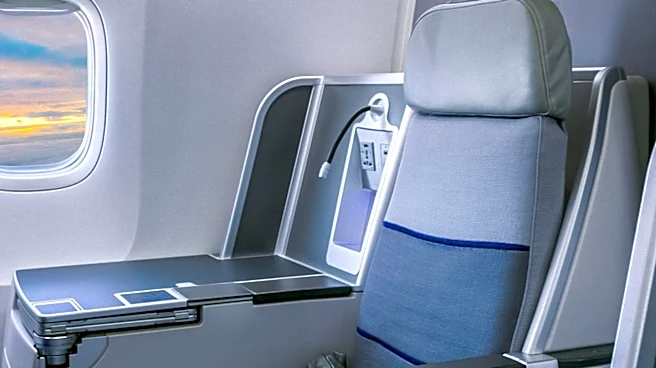
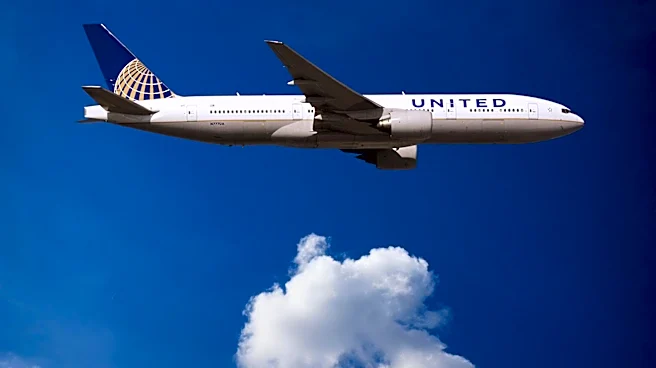
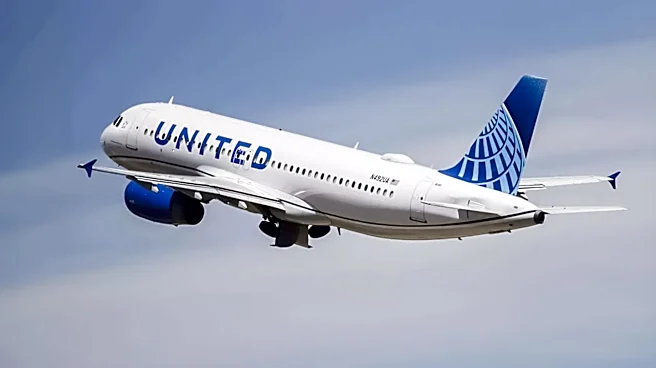
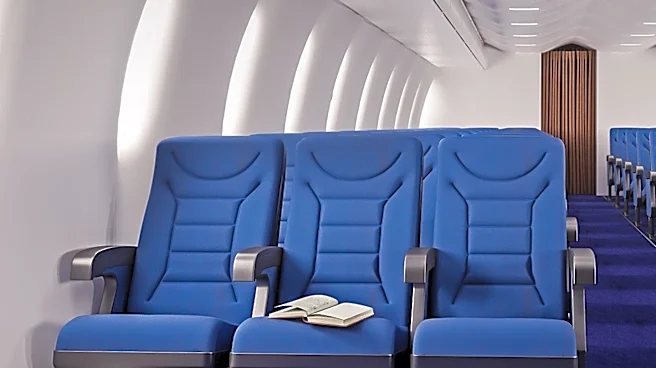
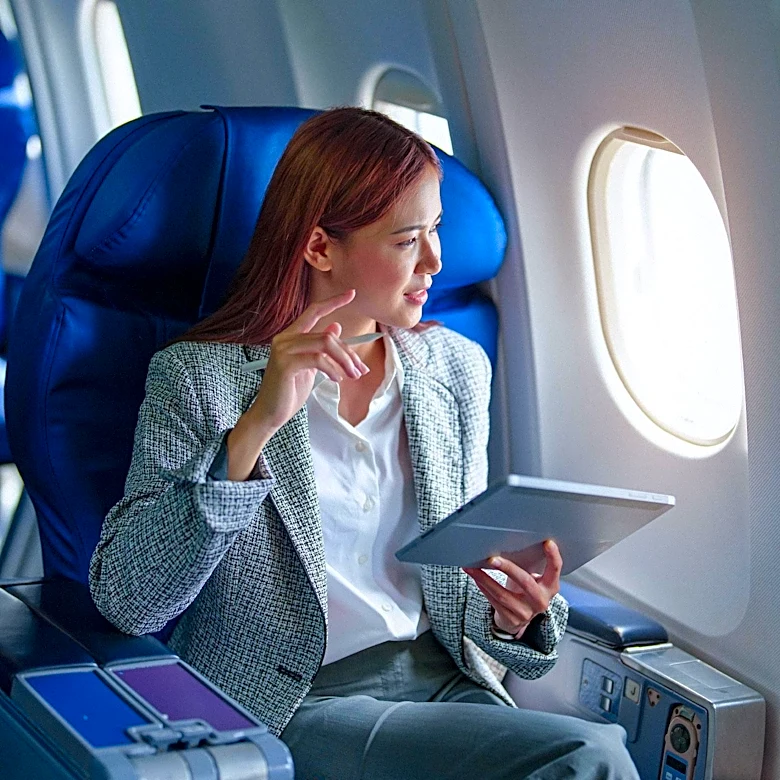
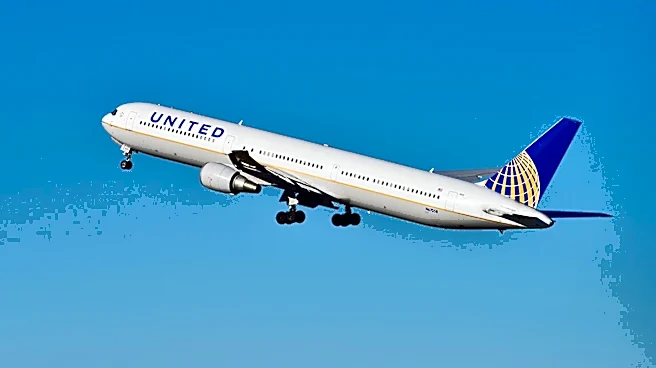
United Airlines is facing a lawsuit from passengers who claim they paid extra for window seats that did not have actual windows. U.S. District Judge James Donato in San Francisco has rejected United's attempt to dismiss the lawsuit, allowing the breach
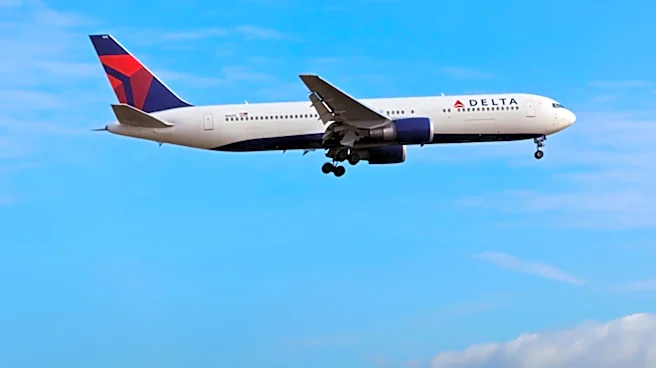
claims to proceed. The airline argued that the term 'window' referred to the seat's location relative to the cabin wall and aisle, not a guarantee of an outside view. However, the judge noted that United's ticketing terms and reservation screens promised window seats to customers who paid for them. United has since added more detail to its seat selection process to inform customers about what to expect when choosing a seat. Delta Air Lines is also facing a similar class-action lawsuit.
Why It's Important?
The lawsuit against United Airlines highlights the importance of transparency in airline seat selection processes. This case could set a precedent for how airlines market and sell their seating options, potentially leading to more stringent regulations and clearer communication with passengers. The outcome of this lawsuit may impact the airline industry by prompting other carriers to review and possibly revise their seat marketing strategies to avoid similar legal challenges. Passengers stand to gain from increased transparency and potentially more accurate representations of what they are purchasing.
What's Next?
As the lawsuit progresses, United Airlines may face increased scrutiny over its seat marketing practices. The airline industry as a whole might see a push for more standardized definitions and descriptions of seat types to prevent future legal disputes. Airlines could also face pressure to enhance customer service and satisfaction by ensuring that their marketing materials accurately reflect the passenger experience. The case's outcome could influence how airlines across the U.S. handle seat selection and customer expectations.