





What's Happening?
U.S. airlines are facing significant disruptions in their profit forecasts due to a sharp increase in jet fuel prices. This surge, attributed to escalating tensions in the Middle East, has led to a 20% rise in jet fuel costs over a two-week period. Major
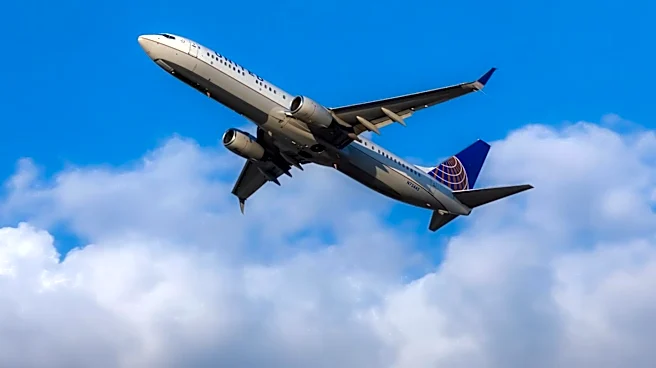
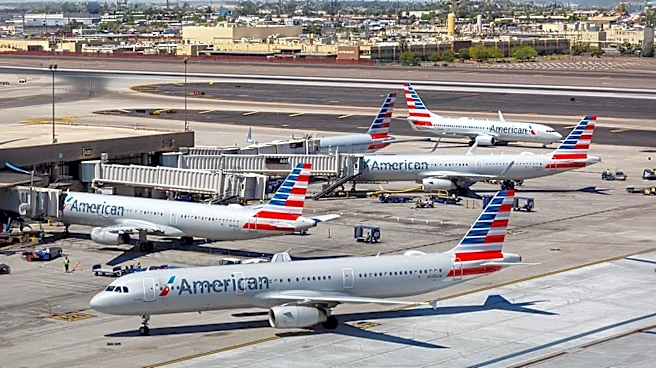
airlines like United Airlines, American Airlines, and Southwest Airlines have reported substantial increases in fuel expenses, impacting their earnings projections. United Airlines, for instance, anticipates an additional $6 billion in fuel expenses for the year, while American Airlines has adjusted its full-year earnings expectations due to a $2.2 billion increase in fuel costs. The volatility in fuel prices has made it challenging for airlines to provide accurate earnings guidance, as these costs are their second-highest expense after labor.
Why It's Important?
The spike in jet fuel prices is a critical issue for the airline industry, as it directly affects profitability and operational costs. Airlines are forced to revise their financial forecasts, which can impact investor confidence and stock prices. The situation underscores the vulnerability of the airline industry to geopolitical events, particularly in oil-rich regions like the Middle East. As fuel costs rise, airlines may need to consider fare increases or cost-cutting measures, potentially affecting consumer demand and travel affordability. The broader economic implications include potential impacts on tourism and related industries, as well as the financial health of airlines, which are significant contributors to the U.S. economy.
What's Next?
Airlines are likely to continue monitoring geopolitical developments closely, as further escalations could lead to additional fuel price volatility. Companies may explore hedging strategies to mitigate fuel cost risks or seek alternative fuel sources. The industry might also advocate for government intervention or support to stabilize fuel prices. In the short term, airlines will need to communicate transparently with investors and stakeholders about their financial strategies and adjustments to navigate this challenging environment.