




What's Happening?
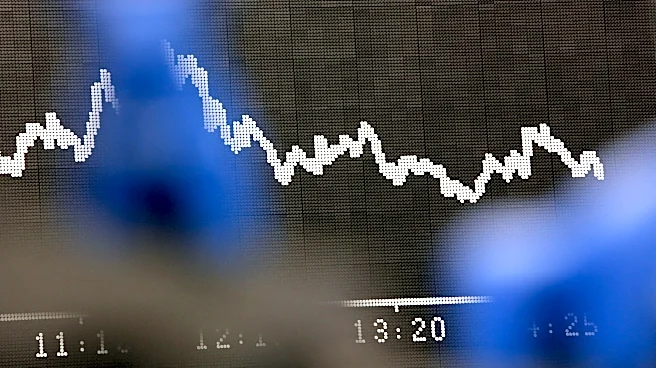
Oil prices have experienced significant fluctuations, dropping approximately 20% from their late-October peak of $118 per barrel. This decline is attributed to hopes for de-escalation in the Middle East and ongoing U.S.-mediated talks between Ukraine
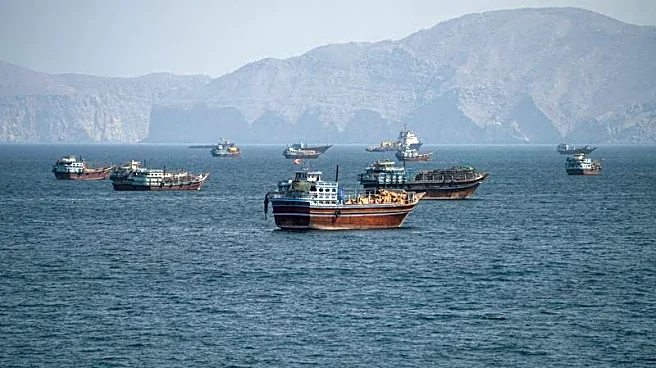
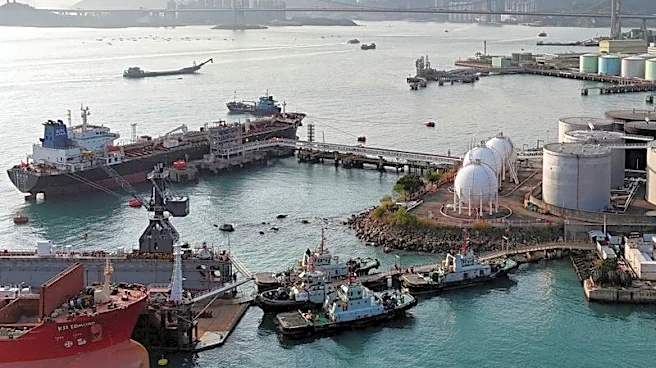
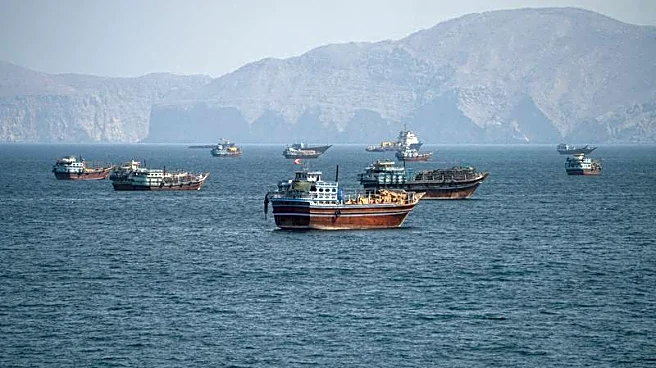
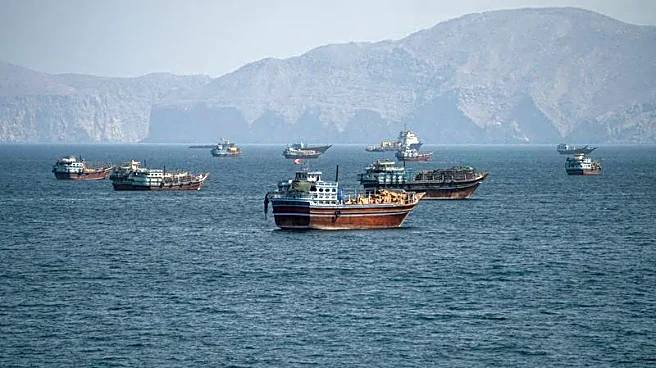
and Russia. Despite these peace hopes, there has been no definitive breakthrough in either conflict, and the risk of escalation remains. Crude oil flows from the Strait of Hormuz and the broader Middle Eastern region have rebounded to near pre-war levels. However, the costs for refiners and consumers are not decreasing due to elevated shipping risks, high insurance premiums, and record tanker rates. Attacks on vessels in and near the Strait of Hormuz intensified in October, with 37 incidents, and at least 10 more ships were hit in early November, indicating persistent dangers to maritime trade.
Why It's Important?
The volatility in oil prices and the persistent risks in key shipping lanes have significant implications for the U.S. and global economy. While a drop in crude prices might offer some relief to consumers, the underlying costs of transportation and insurance remain high, preventing a full pass-through of savings. The continued instability in the Middle East, particularly around the Strait of Hormuz, a critical chokepoint for global oil supply, poses a constant threat of energy shocks. For U.S. industries reliant on global supply chains and energy imports, these elevated risks translate into increased operational costs and potential disruptions. The lack of a clear resolution in both the Middle East and the Ukraine-Russia conflict means that the 'gray area' of no deal but no full-scale escalation could persist, keeping a high floor under oil prices and contributing to broader economic uncertainty.
What's Next?
The immediate future for oil markets will likely remain sensitive to developments in both the Middle East and the Ukraine-Russia conflict. Any signs of genuine de-escalation or, conversely, renewed hostilities, could trigger sharp price movements. Traders and hedge funds will continue to react to news, leading to ongoing volatility. The elevated risks to shipping and high insurance premiums are expected to persist as long as the stalemates continue, maintaining upward pressure on transportation costs. The International Energy Agency's data indicates that shipping costs for crude from the Middle East Gulf to Asia were more than five times pre-war levels by mid-October, a trend that is unlikely to reverse without significant geopolitical shifts. Gulf producers' continued use of inefficient shuttle movements and ship-to-ship transfers will also contribute to the strain on the global tanker fleet.
Beyond the Headlines
The current situation underscores the fragility of global energy security and the profound impact of geopolitical tensions on economic stability. The interplay between peace hopes and escalation risks creates a complex environment where market sentiment can shift rapidly. Beyond immediate price movements, the sustained high costs of shipping and insurance could incentivize long-term strategic adjustments in global energy supply chains, potentially accelerating investments in alternative energy sources or diversifying oil procurement routes to reduce reliance on volatile regions. This ongoing uncertainty also highlights the need for robust diplomatic efforts to resolve conflicts, as their economic repercussions extend far beyond the immediate combat zones, affecting consumers and industries worldwide.