



What's Happening?
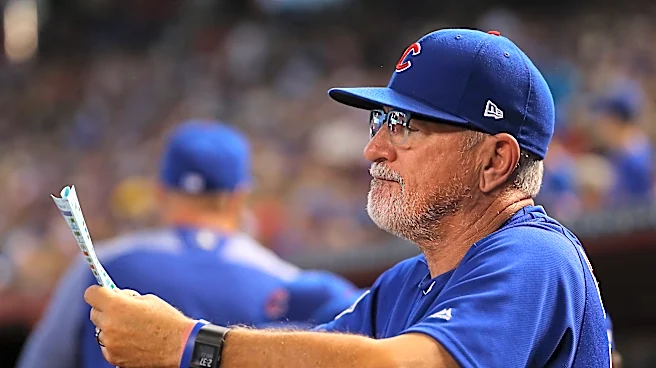
The Chicago Cubs' front office, led by Jed Hoyer, may opt for a conservative approach to bolstering their bullpen this offseason, despite Hoyer previously acknowledging a 'poor job' in managing the bullpen during the 2026-27 season. A recent report from
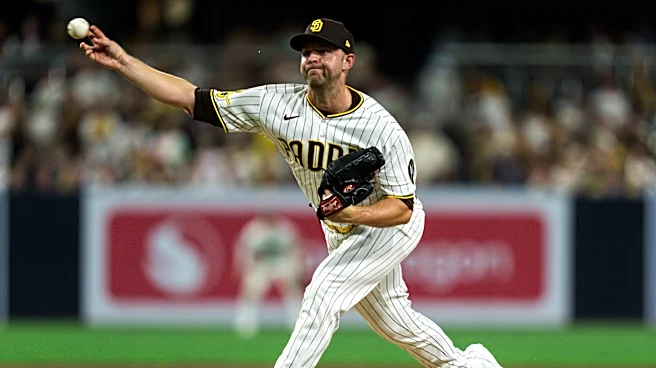
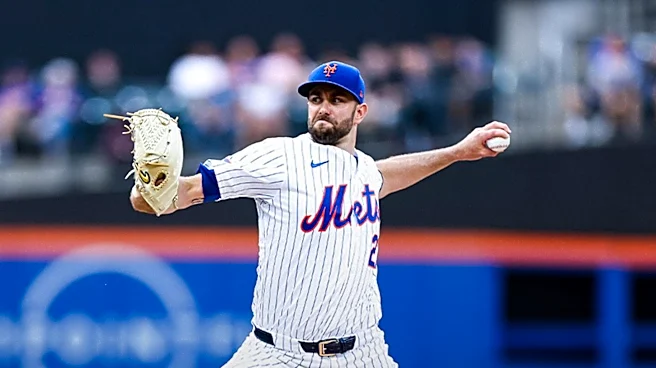
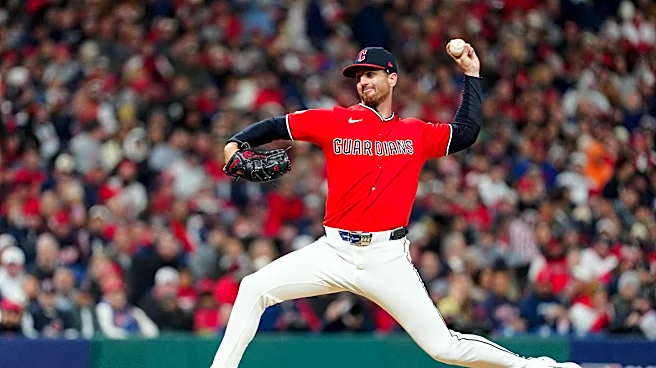
The Athletic's Cubs insider Sahadev Sharma suggests that the organization is content with its current relief pitching depth and plans to allocate the majority of its free-agency resources towards the starting rotation. This stance comes after a season where the bullpen was plagued by injuries and underperforming acquisitions, which Hoyer publicly took responsibility for. Sharma indicated that fans should not anticipate significant moves for high-profile relievers, as the Cubs believe they possess several capable arms for the upcoming 2027 season, including Ryan Zeferjahn, Daniel Palencia, Jacob Webb, Ryan Rolison, Shelby Miller, and Braxton Garrett. This strategy contrasts with the team's World Series aspirations and the common understanding that elite relief pitching is crucial for championship contenders.
Why It's Important?
This potential strategy by the Cubs' front office carries significant implications for the team's competitive outlook and fan expectations. By prioritizing the starting rotation over the bullpen, the Cubs risk repeating past mistakes that led to late-season collapses. A strong bullpen is often considered a cornerstone for teams aiming for deep playoff runs, providing stability in crucial late-game situations. If the Cubs indeed rely on their existing bullpen arms, many of whom have had inconsistent performances or are returning from significant injuries, it could undermine their efforts to contend for a World Series title. This decision could also impact fan morale, as many supporters have expressed a desire for substantial bullpen upgrades. The allocation of financial resources away from relief pitching suggests a belief within the organization that their current internal options are sufficient, a view that may not align with external assessments of the team's needs.
What's Next?
The Chicago Cubs' offseason plans will unfold as free agency progresses, revealing whether the reported strategy regarding the bullpen holds true. Observers will closely monitor the team's acquisitions, particularly in the pitching market, to see if any significant relief pitchers are signed or if the focus remains solely on the starting rotation. The performance of the existing bullpen arms during spring training will also be critical in validating the front office's confidence in their current roster. Should the Cubs indeed make minimal moves for relievers, the pressure will be on players like Zeferjahn, Palencia, and Webb to demonstrate improved consistency and effectiveness. The team's approach to addressing potential depth issues, especially given past injury concerns, will also be a key area of focus as the 2027 season approaches.
Beyond the Headlines
The Cubs' potential decision to downplay bullpen acquisitions reflects a broader organizational philosophy regarding roster construction and resource allocation. It suggests a belief in player development and internal solutions over external, high-cost free-agent signings for relief pitching. This approach, while potentially cost-effective, carries inherent risks, especially for a team with 'win-now' aspirations. It also highlights the ongoing debate in baseball analytics regarding the value and predictability of relief pitchers, who often experience significant year-to-year performance fluctuations. If this strategy proves unsuccessful, it could lead to renewed scrutiny of the front office's decision-making and potentially impact future managerial and executive tenures. Conversely, if the existing bullpen performs exceptionally, it could validate the organization's faith in its internal talent and scouting, potentially influencing how other teams approach bullpen construction in the future.