






What's Happening?
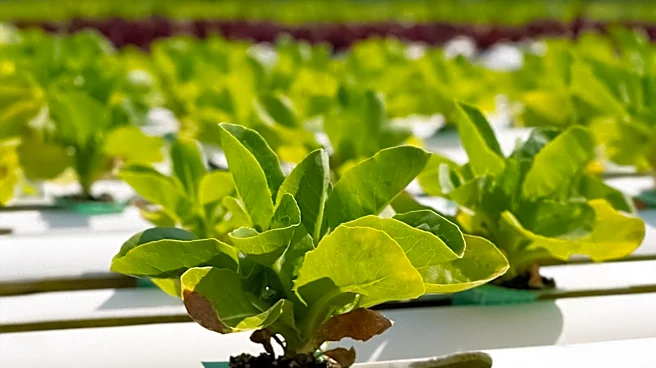
The Botanical Garden of the Piedmont is actively adopting edible landscaping, also known as foodscaping, a growing trend that integrates food-producing plants into garden designs. This approach is gaining traction in gardening publications, horticultural
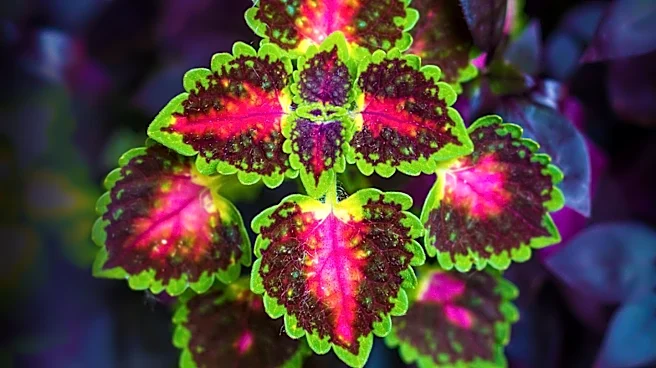
conferences, and social media. An example of this trend can be seen at Walt Disney World's Epcot, where the Pixie Hollow Garden features decorative green and purple kale and chard varieties as part of an edible landscape. The concept emphasizes growing and harvesting one's own food, presenting it in new and engaging ways. Beyond aesthetics and food production, some edible plants, like Asclepias incarnata (milkweed), are crucial for supporting monarch butterfly populations, attracting various pollinators with their fragrant flowers.
Why It's Important?
The increasing popularity of edible landscaping signifies a shift in how Americans view and utilize their garden spaces, moving beyond purely ornamental functions to incorporate practical food production. This trend has implications for local food systems, promoting self-sufficiency and potentially reducing reliance on commercial food supply chains. For communities, initiatives like those at the Botanical Garden of the Piedmont can serve as educational hubs, teaching sustainable gardening practices and fostering a deeper connection to food sources. Environmentally, integrating plants like milkweed into edible landscapes directly supports pollinator health, which is vital for agricultural ecosystems and biodiversity. This movement also encourages a more holistic view of gardening, where beauty, utility, and ecological benefit are intertwined, potentially influencing urban planning and community garden projects across the U.S.
What's Next?
As edible landscaping continues to gain momentum, it is likely that more botanical gardens, public spaces, and residential areas will adopt similar practices. Educational programs and workshops on foodscaping techniques, plant selection, and sustainable gardening are expected to expand, catering to a growing public interest. There may also be an increase in the availability of diverse edible and pollinator-friendly plant varieties in nurseries. Furthermore, the success of such initiatives could inspire policy discussions around urban agriculture, green infrastructure, and community-supported agriculture models. The ongoing integration of edible plants into decorative landscapes could lead to a broader re-evaluation of land use in both urban and suburban environments, emphasizing ecological benefits alongside aesthetic appeal.
Beyond the Headlines
The embrace of edible landscaping reflects a deeper cultural shift towards sustainability, localism, and a desire for greater control over food sources. This trend challenges traditional notions of what a garden should be, blurring the lines between ornamental and productive spaces. Ethically, it promotes a more conscious relationship with the environment and food, encouraging individuals to consider the origins and impact of their diet. Legally, it could influence zoning laws and homeowner association rules regarding front-yard gardens and food production in residential areas. Culturally, it fosters a return to traditional gardening skills and community engagement, potentially strengthening neighborhood bonds through shared gardening efforts and food exchanges. This movement is not just about growing food; it's about cultivating a more resilient, connected, and environmentally aware society.