





What's Happening?
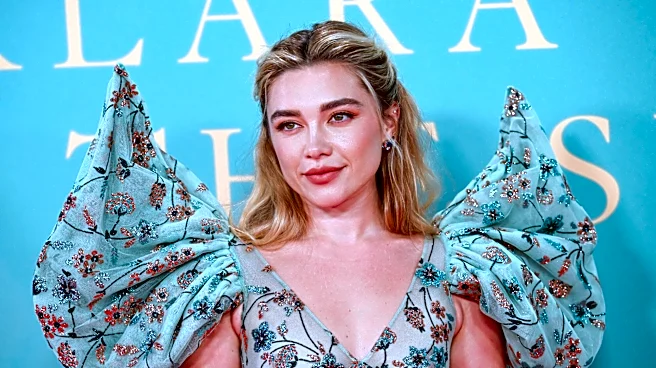
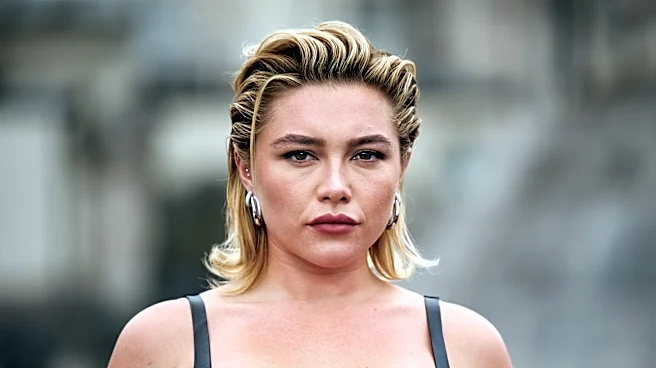
Actress Florence Pugh has publicly stated her non-negotiable rules for conduct on film sets: "Show up on time, don’t be rude, don’t be a misogynist." In an interview with Elle, Pugh emphasized her growing confidence in leading a film set and refusing
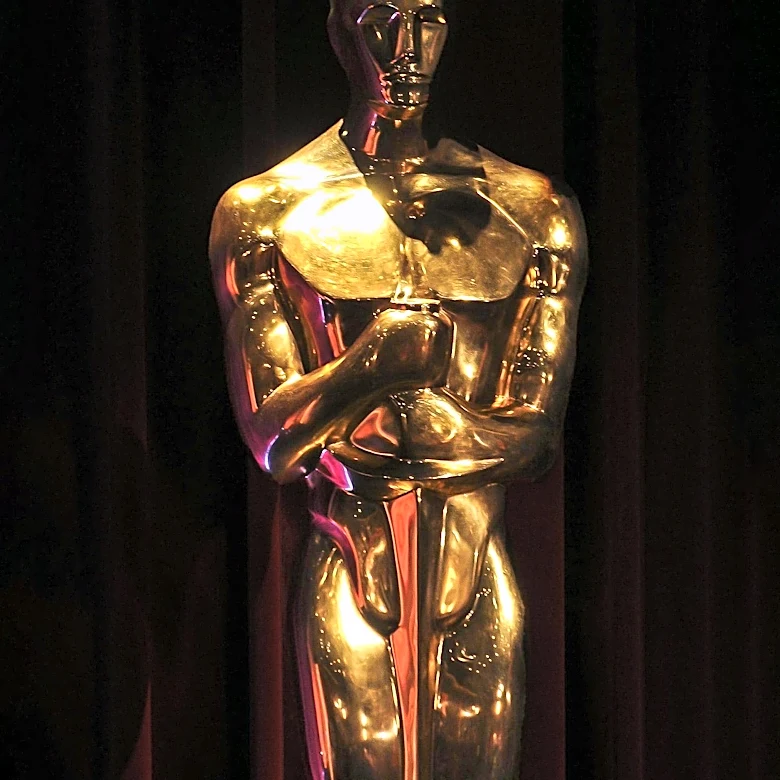
to tolerate what she terms "bulls**t behavior" or "bulls**t attitude." She also stressed the importance of not allowing rudeness towards crew members. Pugh, who has over a decade of experience in the industry and multiple accolades, including an Oscar nomination, asserts that her established position in Hollywood now allows her to enforce these standards more effectively. She aims to create a professional and respectful environment, stating that any negative vibe affects everyone on set. This stance extends to her personal advocacy, as she also criticized Instagram for attempting to censor her comments on an alleged gang rape incident at Cornell, asserting her right to speak out on issues she cares about.
Why It's Important?
Pugh's public declaration is significant as it highlights a growing demand for improved professional conduct and a safer working environment within the entertainment industry. Her stance, particularly against misogyny and rudeness, reflects broader societal conversations about workplace respect and accountability. By leveraging her influence as a prominent actress, Pugh contributes to a cultural shift that empowers individuals, especially women, to challenge unacceptable behavior on set. This could encourage other actors and crew members, who may not have the same platform, to speak up against similar issues. The emphasis on professionalism and respect for all crew members can lead to more positive and productive work environments, potentially reducing instances of harassment and fostering a more inclusive industry culture. Her refusal to be censored also underscores the importance of free expression, particularly when addressing sensitive social issues.
What's Next?
Florence Pugh's clear articulation of her on-set rules may inspire other industry professionals to adopt similar standards, potentially leading to a broader movement for improved workplace ethics in Hollywood. This could prompt production companies and studios to re-evaluate and reinforce their codes of conduct, ensuring that all cast and crew members adhere to principles of respect and professionalism. There might be increased dialogue within the industry about how to effectively implement and enforce such rules, possibly leading to new guidelines or training programs. Furthermore, Pugh's continued vocal advocacy on social issues, as demonstrated by her stance against censorship, suggests she will remain a prominent voice for change, potentially influencing public discourse and encouraging other public figures to use their platforms for similar causes. Her actions could also empower less established individuals in the industry to demand better treatment.
Beyond the Headlines
Pugh's actions delve into deeper ethical and cultural dimensions within the film industry. Her insistence on a respectful set environment challenges long-standing power dynamics and hierarchical structures that have sometimes enabled unprofessional or abusive behavior. By explicitly calling out misogyny, she addresses a systemic issue that has historically marginalized and disrespected women in Hollywood. This move contributes to a broader cultural reckoning, pushing for greater equity and accountability. The ripple effect could extend beyond individual film sets, influencing how talent is managed, how productions are run, and even how industry contracts are drafted to include stricter clauses on conduct. Her stance also highlights the evolving role of celebrities as advocates for social change, using their platforms not just for entertainment but also to champion ethical standards and challenge societal norms, thereby shaping public consciousness and industry practices in the long term.