







What's Happening?
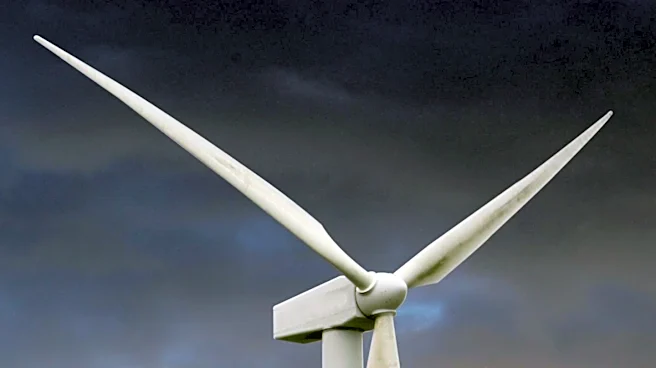
The U.S. government has reached agreements worth approximately $3.9 billion with several energy companies, including TotalEnergies and RWE, to abandon offshore wind projects in favor of natural gas investments. This decision is part of a broader strategy
to enhance energy dominance by redirecting capital from wind to natural gas, LNG, and oil. The agreements involve relinquishing offshore wind leases and investing in gas infrastructure, with companies receiving reimbursements from the federal government. This move is seen as a bet on the continued affordability of natural gas, despite the potential long-term implications for the U.S. energy market.
Why It's Important?
The shift from wind to natural gas investments highlights a significant policy direction that could impact the U.S. energy landscape. While natural gas provides immediate dispatchability and supports current electricity demand, the decision to abandon wind projects may undermine efforts to diversify energy sources and reduce reliance on fossil fuels. This policy could affect the U.S.'s ability to compete in the global clean energy market, where countries like China are investing heavily in renewable technologies. The focus on natural gas may also expose the U.S. to future price volatility and geopolitical risks associated with fossil fuel markets.
Beyond the Headlines
The decision to prioritize natural gas over wind energy raises questions about the U.S.'s commitment to renewable energy and its long-term energy strategy. By focusing on traditional energy sources, the U.S. risks losing expertise and industrial capability in offshore wind technologies, which are crucial for future energy resilience. This policy could also signal to investors that the U.S. energy market is subject to political shifts, potentially deterring investment in renewable infrastructure. The broader implications of this strategy may include missed opportunities for innovation and leadership in the global transition to clean energy.