





What's Happening?
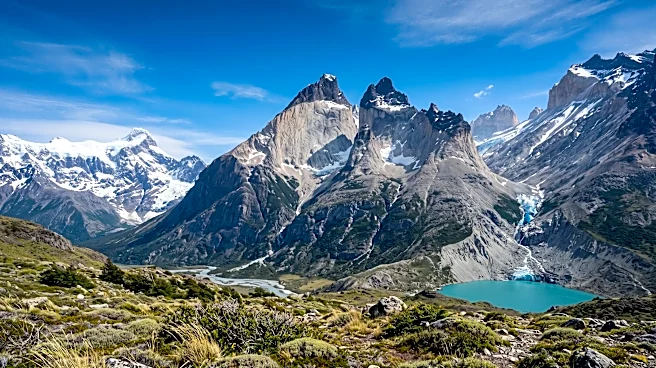
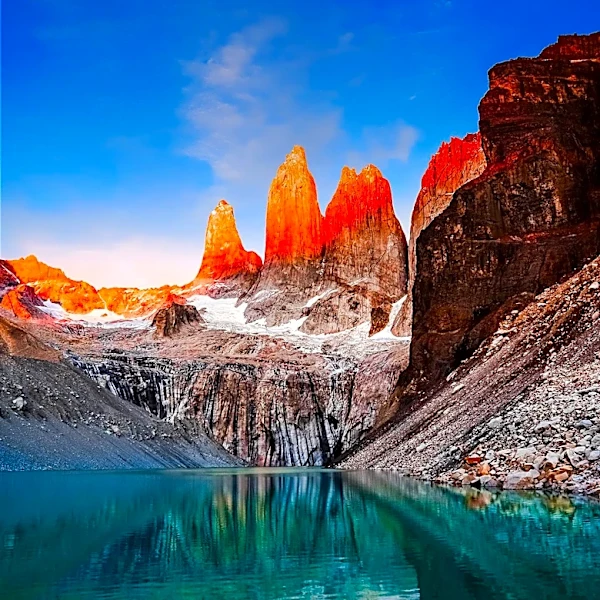
Hiking in Patagonia, a region renowned for its dramatic landscapes, demands thorough preparation due to its famously unpredictable weather. According to MT Sobek Patagonia guide Rodrigo “Ro” Bahamóndez, conditions can shift rapidly, often experiencing
'four seasons in one day.' The main hiking season spans from November through March, which is the Southern Hemisphere's late spring, summer, and early fall. During this period, daytime temperatures in areas like Torres del Paine and Los Glaciares typically range from 50s to 60s °F (10–20°C), occasionally reaching the low 70s in January. Nights can drop to the upper 30s to mid-40s °F (3–8°C). Wind is a significant factor, with summer being the windiest season, commonly seeing gusts of 35–50 mph (60–80 km/h) in open areas, sometimes exceeding 100 mph. Rain showers are frequent but usually brief, and light snow in higher elevations is not uncommon even in midsummer. Hikers are advised to pack in layers, including moisture-wicking base layers, insulating fleece, and waterproof outer shells, and to avoid cotton clothing due to its poor drying properties.
Why It's Important?
The extreme variability of Patagonia's weather poses significant challenges for hikers, making proper gear and preparation critical for safety and enjoyment. The region's unique geographical position between the Pacific and Atlantic oceans, coupled with the Southern Andes, creates intense and rapidly changing conditions. This necessitates a strategic approach to packing, emphasizing waterproof gear, layered clothing, and sturdy, broken-in hiking boots. Failure to prepare adequately can lead to discomfort, hypothermia, or even dangerous situations, as older or inappropriate gear can fail under stress. The advice from experienced guides like Bahamóndez and Andre Labarca underscores the importance of prioritizing functionality and durability over lightness, especially for items like midweight insulated jackets and fully waterproof outerwear. This focus on preparedness ensures that adventurers can fully appreciate the region's natural beauty without being overwhelmed by its harsh environmental realities.
What's Next?
For individuals planning a hiking trip to Patagonia, the immediate next steps involve meticulous planning of their gear. This includes investing in high-quality, waterproof hiking boots that are properly broken in, as well as a comprehensive layering system that can adapt to rapid temperature and weather changes. Hikers should also ensure their daypacks are equipped with rain covers and internal waterproof bags to protect essentials. Beyond personal preparation, tour operators and guiding services will continue to emphasize these packing recommendations to their clients, potentially refining their advice based on seasonal weather patterns or specific trail conditions. The ongoing focus will be on educating visitors about the unique demands of the Patagonian environment to enhance safety and overall experience, ensuring that the region remains a premier destination for trekkers worldwide.
Beyond the Headlines
The emphasis on preparedness for Patagonia's unpredictable weather highlights a broader theme in outdoor adventure: the critical balance between human ambition and environmental respect. The region's extreme conditions serve as a constant reminder of nature's power and the necessity for humility and foresight when venturing into wild spaces. This extends beyond just packing the right gear; it also involves understanding one's own physical limits and being adaptable to changing circumstances. The detailed advice on avoiding cotton, using trekking poles, and ensuring waterproof protection reflects a deep understanding of how specific materials and tools interact with the environment to either mitigate or exacerbate risks. This approach fosters a culture of responsible outdoor recreation, where safety and environmental awareness are paramount, ultimately contributing to the preservation of such pristine and challenging landscapes for future generations.