



What's Happening?
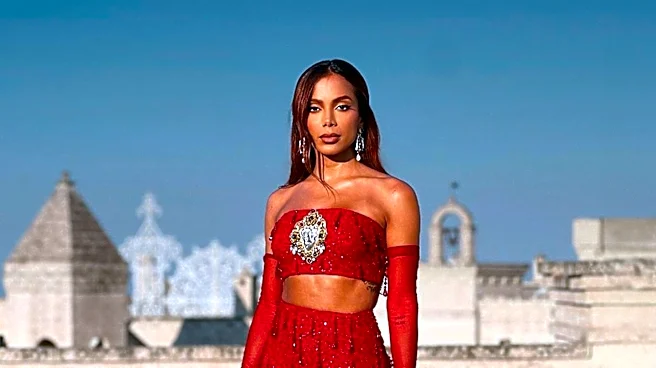
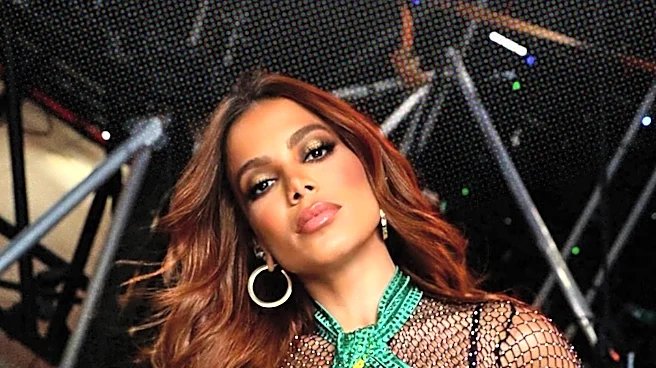
Brazilian singer Anitta recently spoke with Italian magazine L’Officiel about her career and her efforts to use music to challenge prejudices against Afro-Brazilian religions. Anitta, who has roots in Candomblé, detailed how her latest album, 'EQUILIBRIVM,'
originated from a need to heal personal pain. She explained that as she began to understand her mind and develop empathy, her anxiety decreased. Anitta emphasized her intention to incorporate her faith into her music to break down stereotypes, noting that some still view Candomblé negatively. She aims to popularize its message of love, similar to how Jesus's message is widely understood, by imbuing each song with the 'vibration of an orixá.' She described orixás as forces of nature, such as Oxum representing fresh water and Iemanjá representing the sea, each embodying different aspects of life and character. Anitta stressed the importance of approaching different beliefs with an open mind, stating that every religion offers lessons for personal improvement.
Why It's Important?
Anitta's public discussion of her Candomblé faith and her deliberate use of her platform to combat religious prejudice is significant for several reasons. In a global entertainment landscape, her efforts can help demystify and destigmatize Afro-Brazilian religions, which have historically faced discrimination and misunderstanding. By integrating these spiritual elements into her widely consumed music, she introduces diverse audiences to cultural and religious traditions they might otherwise not encounter, fostering greater awareness and potentially reducing bias. This initiative also empowers individuals who practice these faiths by providing a prominent voice that validates and celebrates their beliefs. Her message of open-mindedness and kindness across different belief systems promotes interfaith dialogue and tolerance, contributing to a more inclusive cultural environment. This move also highlights the growing trend of artists using their influence to advocate for social and cultural causes, extending their impact beyond entertainment.
What's Next?
Anitta's continued advocacy through her music and public statements is likely to further spark conversations about religious tolerance and cultural understanding. As her album 'EQUILIBRIVM' gains more international attention, particularly with her Grammy nomination, the themes of faith and prejudice embedded within her work will reach a broader audience. This could lead to increased media coverage and academic interest in Afro-Brazilian religions, potentially encouraging more nuanced portrayals in popular culture. Other artists might be inspired to explore their own spiritual or cultural roots in their work, contributing to a richer and more diverse global music scene. Furthermore, her stance could encourage fan engagement in discussions about religious freedom and the importance of challenging stereotypes, potentially fostering a more informed and empathetic public discourse around these topics. Her ongoing career trajectory will likely continue to intertwine her artistic expression with her social and cultural activism.
Beyond the Headlines
Anitta's approach to integrating her faith into her music transcends mere artistic expression; it represents a powerful act of cultural reclamation and resistance against historical marginalization. Candomblé, born from the syncretism of African traditions and indigenous knowledge under the brutal conditions of slavery in Brazil, carries a profound legacy of resilience. By openly embracing and explaining its principles, Anitta is not only educating her audience but also challenging the colonial narratives that often demonize or exoticize such spiritual practices. This act contributes to a broader global movement of decolonization in culture, where artists from historically oppressed communities assert their heritage and reshape dominant cultural narratives. Her work highlights the ethical imperative for public figures to use their influence responsibly, fostering empathy and challenging systemic prejudices. It also underscores the power of music as a vehicle for social change, capable of transmitting complex cultural messages and fostering a more inclusive global consciousness.