


What's Happening?
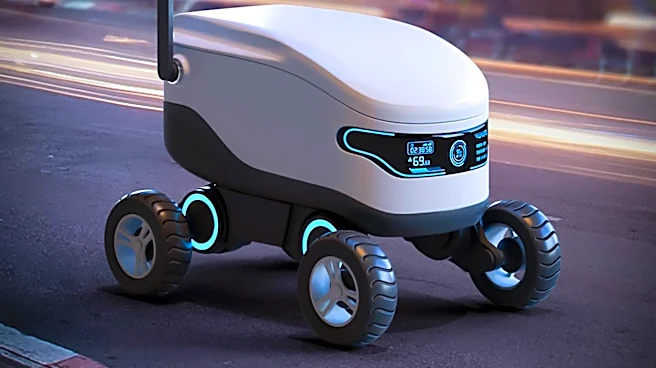
The Vancouver City Council has canceled a planned pilot project for autonomous food delivery robots by Serve Robotics. The decision, part of a motion approved last week, directs City of Vancouver staff to cease work on the project. Concerns cited include
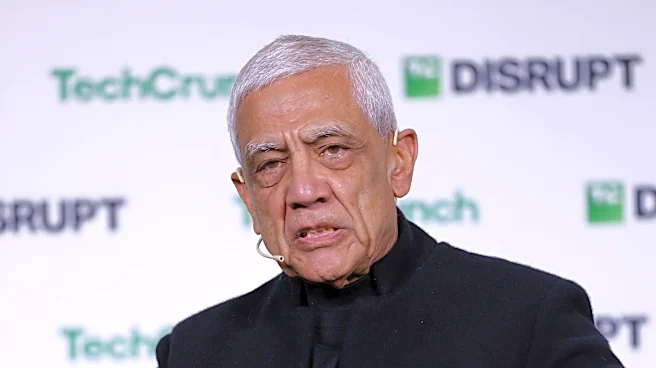
the commercial use of public space, potential barriers for people with disabilities, and impacts on local employment. The pilot, initially approved in May 2026 by the previous City Council, was intended to be a six-month trial in Downtown Vancouver and Kitsilano, starting in Fall 2026. Serve Robotics, a publicly traded company on Nasdaq since 2024, has deployed over 2,000 robots, operates in 44 cities across 14 U.S. states, and boasts a 99.8% delivery completion rate. Vignesh Ram, Vice-President of Policy for Serve Robotics, urged the Council to reconsider, stating the company had engaged with various local groups and had not yet briefed the newly elected Council. The Greater Vancouver Board of Trade also advocated for a dialogue with the company before cancellation.
Why It's Important?
This decision by the Vancouver City Council signals a cautious, if not resistant, approach to integrating new autonomous technologies into urban infrastructure, potentially influencing how other North American cities evaluate similar proposals. For Serve Robotics, while the immediate impact is limited to a single canceled pilot, it highlights the regulatory hurdles and public perception challenges that autonomous delivery companies face, even after extensive engagement efforts. The concerns raised—accessibility, public space utilization, and employment—are universal issues that could shape future policy discussions in other municipalities considering such technologies. The cancellation also sends a message to the tech innovation sector about the city's openness to new ideas, which some business leaders argue could undermine business confidence and investment in Vancouver. The debate underscores a broader tension between technological advancement and urban planning priorities, particularly regarding pedestrian safety and equitable access to public spaces.
What's Next?
The immediate consequence is the cessation of the Serve Robotics pilot project in Vancouver, preventing the company from testing its autonomous delivery robots in that market. Serve Robotics will likely continue to focus on its operations in the 44 cities across 14 U.S. states where it is already active, potentially seeking opportunities in other Canadian or international markets that may be more receptive to pilot programs. The Vancouver City Council's decision may prompt other cities to conduct more thorough 'desktop studies' of existing robot delivery operations elsewhere before considering their own trials, as suggested by Councillor Lucy Maloney. Stakeholders like the Greater Vancouver Board of Trade and the Business Council of British Columbia may continue to advocate for a more evidence-based approach to technological adoption, emphasizing the potential economic benefits and data collection opportunities that trials offer. The provincial government's role in amending the 2023 Motor Vehicle Amendment Act to enable autonomous delivery robots remains a factor for future consideration of such technologies in British Columbia.
Beyond the Headlines
The Vancouver City Council's decision reflects a growing global debate about the balance between technological innovation and societal impact, particularly concerning public space and accessibility. The concerns raised by disability advocates, such as the Canadian National Institute for the Blind (CNIB), highlight the critical need for inclusive design and early stakeholder engagement in the development and deployment of new technologies. This incident underscores that simply having advanced technology is not enough; companies must also navigate complex social, ethical, and regulatory landscapes. The argument that such robots could create 'high-quality, entry-level technology jobs' for veterans and young workers presents a counter-narrative to employment displacement fears, suggesting a need for a more nuanced discussion on the economic implications of automation. Furthermore, the comparison to Vancouver's delayed adoption of ride-hailing services suggests a pattern of cautious technological integration, which could influence its reputation as an innovation hub and its competitiveness in attracting tech investments.