








What's Happening?
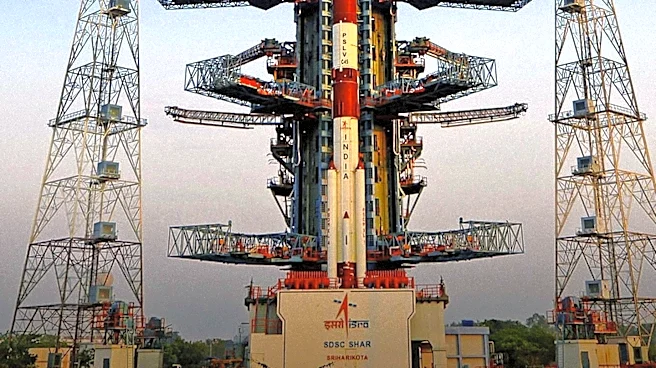
India's space sector is experiencing substantial growth, moving beyond its traditional reliance on the Indian Space Research Organisation (ISRO) as the sole major employer. According to a Rajya Sabha reply on August 13, 2026, approximately 440 space-technology
start-ups are registered in India, with IN-SPACe having authorized 18 of them for space activities. This expansion signifies a shift towards a dual-path career entry for engineering graduates: one through government entities like ISRO and another through a burgeoning private sector. Private companies are projecting an increase in commercial launches, with two proposed for FY 2026-27 and over six for FY 2027-28, pending IN-SPACe approval. This growth is creating diverse job roles in areas such as avionics, composites, welding, propulsion testing, and even HR, with companies like Skyroot Aerospace actively recruiting. While ISRO primarily hires fresh graduates through competitive exams like GATE, private firms often seek candidates with two or more years of experience, though some offer fellowship programs for freshers.
Why It's Important?
The diversification of India's space sector is crucial for its long-term growth and global competitiveness. By fostering a robust private ecosystem alongside ISRO, India is accelerating innovation, increasing its launch capabilities, and creating a more dynamic job market for skilled professionals. This shift reduces the sole burden on ISRO for all space-related activities, allowing the organization to focus on strategic research and development while private entities drive commercial applications and services. The emergence of numerous start-ups indicates a vibrant entrepreneurial spirit and a growing investor confidence in India's space economy. This expansion also addresses the increasing demand for space-based services, from satellite communication to earth observation, positioning India as a significant player in the global space market. Furthermore, the varied career opportunities attract a broader talent pool, ensuring a continuous supply of skilled engineers and scientists for both public and private space endeavors.
What's Next?
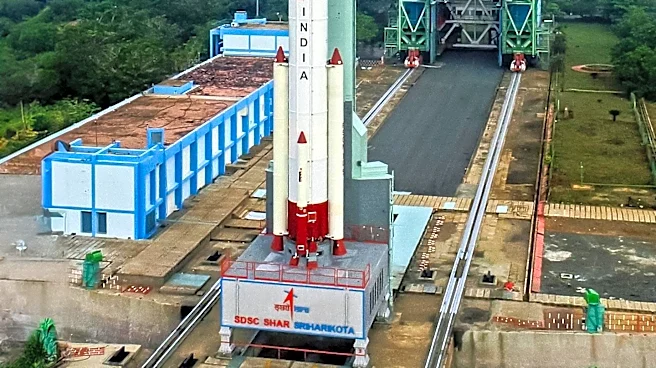
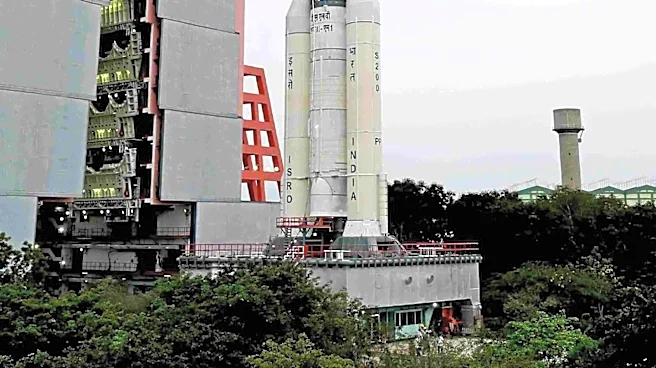
The Indian space sector is poised for continued expansion, with private companies expected to increase their commercial launch activities significantly in the coming fiscal years. This will likely lead to a surge in hiring across various technical and non-technical roles within these firms. IN-SPACe will play a critical role in facilitating this growth by continuing to authorize and support non-government entities, streamlining access to ISRO infrastructure like launch pads. Educational institutions will likely adapt their curricula to meet the evolving demands of the space industry, potentially introducing more specialized courses in areas like aerospace engineering, avionics, and propulsion. We can also anticipate increased investment in space technology start-ups, fostering further innovation and competition. The government may also introduce more policies and incentives to encourage private sector participation and investment, further solidifying India's position as a major space-faring nation with a strong public-private partnership model.
Beyond the Headlines
The rapid growth of India's private space sector signifies a broader economic and technological transformation within the country. It reflects a strategic move towards leveraging private enterprise for national development in critical high-tech domains, mirroring trends seen in other leading space nations. This shift could lead to a 'space-tech boom' in India, attracting global investment and fostering a culture of innovation and entrepreneurship. Ethically, it raises questions about the balance between commercial interests and national strategic goals in space, and the regulatory frameworks needed to ensure responsible and sustainable space activities. Legally, it necessitates the development of comprehensive space laws that govern private operations, liability, and intellectual property. Culturally, the increased visibility and accessibility of space careers could inspire a new generation of scientists and engineers, contributing to India's scientific prowess and technological self-reliance on a global stage, potentially leading to a 'brain gain' as talent is retained and attracted within the country.