



What's Happening?
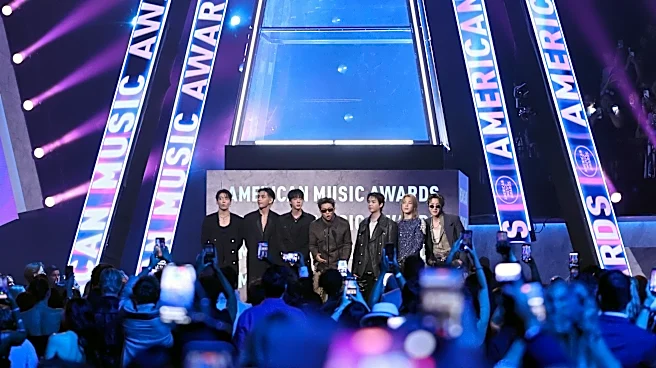
November 24 has historically been a significant date for country music, marked by various achievements and events. The 2019 American Music Awards (AMAs) saw country music artists receive notable recognition, with Kane Brown winning Favorite Country Male
Artist, Dan + Shay securing Favorite Country Duo/Group, and Carrie Underwood earning Favorite Female Country Artist and Favorite Country Album for 'Cry Pretty'. Beyond awards, the date also highlights cultural milestones, such as Garth Brooks' soft opening of his 'Friends in Low Places Bar & Honky Tonk' in Nashville in 2023, an establishment he envisioned as all-inclusive. Additionally, Jamey Johnson announced the launch of his independent record label, Big Gassed Records, in 2014, aiming for greater artistic freedom. Other events include Tracy Lawrence raising $63,000 for the Nashville Rescue Mission in 2015 and Thomas Rhett partnering with Wells Fargo during the 2019 AMAs to support the Holiday Food Bank and Feeding America hunger-relief program. These events collectively underscore the dynamic nature of the country music industry, encompassing artistic recognition, philanthropic efforts, and business ventures.
Why It's Important?
The recurring significance of November 24 for country music artists and the industry underscores the genre's cultural and economic impact within the U.S. The recognition of country artists at national events like the American Music Awards highlights the genre's broad appeal and commercial success, influencing music trends and consumer spending. The establishment of new ventures, such as Garth Brooks' bar and Jamey Johnson's record label, signifies ongoing investment and innovation within the industry. Brooks' 'all-inclusive' bar concept reflects a broader trend towards diversifying entertainment spaces and catering to a wider audience, potentially boosting local economies in music hubs like Nashville. Johnson's independent label venture illustrates artists' increasing desire for creative control, which could lead to more diverse musical offerings and shift traditional power dynamics within the music business. Furthermore, the philanthropic efforts by artists like Tracy Lawrence and Thomas Rhett demonstrate the industry's commitment to social responsibility, leveraging its platform to address issues like hunger and community support, thereby enhancing its public image and fostering goodwill among fans and stakeholders.
What's Next?
The trends observed on November 24 suggest continued evolution within the country music landscape. The success of country artists at major awards shows like the AMAs indicates a sustained mainstream presence, likely leading to more cross-genre collaborations and increased visibility for country music. The expansion of artist-owned businesses, exemplified by Garth Brooks' bar, could inspire other musicians to diversify their portfolios beyond traditional music sales, creating new revenue streams and fan engagement opportunities. This could lead to a proliferation of artist-branded venues, merchandise, and experiences, further integrating music into lifestyle and tourism sectors. Jamey Johnson's independent record label initiative may signal a growing movement among artists to bypass conventional label structures, potentially fostering a more artist-centric industry where creative freedom is prioritized. This could result in a wider array of musical styles and a more direct relationship between artists and their audiences. Future November 24ths may continue to see a blend of artistic accolades, business innovations, and community engagement, reflecting the multifaceted growth of the country music industry.
Beyond the Headlines
The events highlighted on November 24 reveal deeper implications for the music industry and cultural landscape. The consistent recognition of country music at national awards ceremonies challenges traditional genre boundaries, indicating a broader acceptance and appreciation of country music across diverse audiences. This cultural shift could influence music production, marketing strategies, and even educational curricula, as the genre's historical and contemporary significance becomes more widely acknowledged. The entrepreneurial spirit demonstrated by artists like Garth Brooks and Jamey Johnson points to a significant transformation in the artist-business model. Artists are increasingly becoming their own brand managers and business owners, which could lead to greater economic empowerment for musicians but also increased responsibility and risk. This trend might reshape contractual agreements, intellectual property rights, and the role of traditional record labels. Furthermore, the philanthropic endeavors associated with these events underscore the growing expectation for public figures to engage in social causes. This integration of celebrity influence with charitable work can amplify awareness and fundraising efforts for critical societal issues, reinforcing the idea that entertainment industries have a role to play beyond mere entertainment, contributing to community welfare and social change.