






What's Happening?
Adaptive fitness is a concept that involves progressively challenging the body through various methods to stimulate growth and improvement. This approach includes increasing weight, reps, sets, rest time, workout frequency, range of motion, technique,
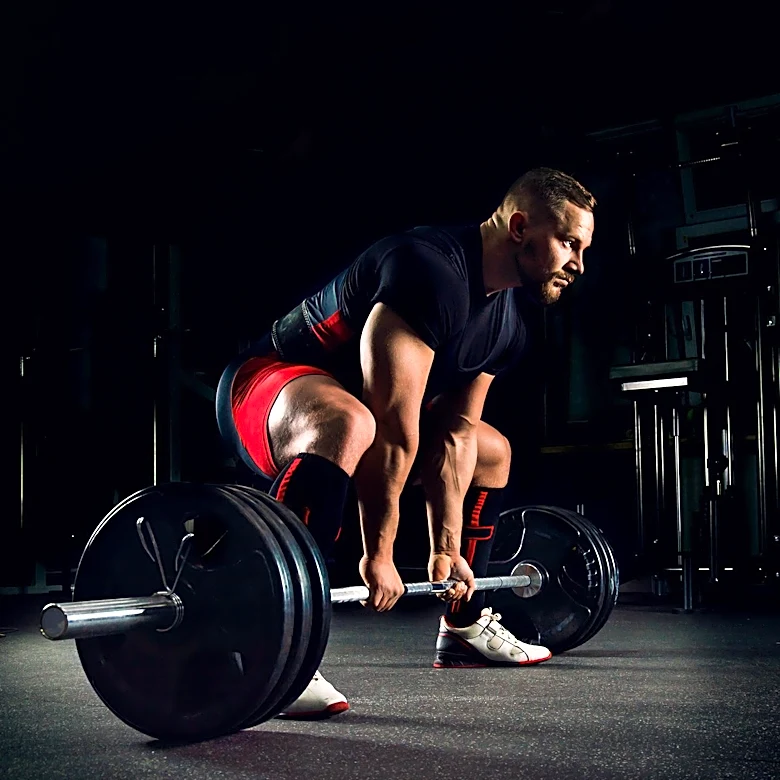
time under tension, and changing exercise modalities. The emphasis is on mastering the movement before adding more weight to avoid reinforcing poor mechanics. The Army’s AFT deadlift, for example, emphasizes maximum strength for tactical longevity, highlighting the importance of load-bearing strength and power. Strength training, even in short sessions, can significantly improve future health and fitness. Incorporating low-impact exercises like chair cardio can also boost fitness at any age.
Why It's Important?
The significance of adaptive fitness lies in its potential to enhance physical health and performance without the risk of injury associated with improper technique. By focusing on mastering movements before increasing weight, individuals can avoid reinforcing poor mechanics, which can lead to injuries. This approach is particularly important for those in physically demanding roles, such as military personnel, where strength and endurance are crucial. Additionally, adaptive fitness can be tailored to suit individuals of all ages and fitness levels, making it a versatile approach to improving overall health and well-being. The emphasis on technique and gradual progression ensures sustainable fitness improvements and reduces the risk of burnout or injury.
What's Next?
As more people become aware of the benefits of adaptive fitness, it is likely that this approach will gain popularity in both personal and professional training environments. Fitness professionals may increasingly incorporate adaptive fitness principles into their programs, emphasizing technique and gradual progression over simply adding weight. This shift could lead to a broader understanding of fitness that prioritizes long-term health and performance over short-term gains. Additionally, as the benefits of adaptive fitness become more widely recognized, there may be increased interest in research and development of new training methods and tools that support this approach.
Beyond the Headlines
The adaptive fitness approach also has implications for the broader fitness industry, potentially influencing how fitness products and services are marketed and developed. As consumers become more educated about the importance of technique and progression, there may be a shift away from products that promise quick results without regard for proper form. This could lead to a greater emphasis on educational resources and tools that help individuals learn and master movements safely. Furthermore, the focus on adaptive fitness could encourage a more inclusive fitness culture that welcomes individuals of all abilities and backgrounds, promoting health and wellness as a lifelong journey rather than a quick fix.