



What's Happening?
As winter approaches, houseplant owners are advised to adjust their care routines to ensure their plants remain healthy through the colder months. According to horticulturist Justin Hancock, director of research and development and horticultural content
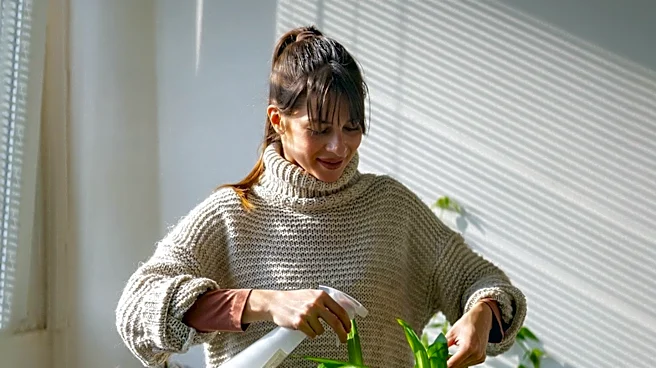
with Costa Farms, houseplants do not truly go dormant in winter but rather experience slowed growth due to reduced light. Krystal Duran, founder of Plants With Krystal, emphasizes that plant care is not a one-size-fits-all approach and requires understanding individual plant needs and environmental changes. Key recommendations include thorough plant examinations for pests, ensuring sufficient light by moving plants closer to windows or using grow lights, and inspecting roots for health. Additionally, plants should be kept in draft-free locations, their leaves dusted regularly to maximize light absorption, and pruning should be minimal unless removing dead or damaged foliage. Proper watering is critical, as many plants use less water in winter, but dry indoor heat can also cause them to dry out faster, necessitating soil checks before watering rather than adhering to a strict schedule.
Why It's Important?
The proper care of houseplants during winter is crucial for their survival and continued vitality, impacting both the aesthetic quality of indoor spaces and the well-being of plant enthusiasts. Neglecting these seasonal adjustments can lead to common issues such as root rot from overwatering, pest infestations, stunted growth due to insufficient light, and leaf damage from drafts or dry air. For individuals who invest time and resources into their indoor gardens, understanding and implementing these expert tips can prevent plant loss and the associated financial and emotional costs. Furthermore, healthy houseplants contribute to improved indoor air quality and can enhance mental well-being, making their sustained health a benefit to the household environment. The advice from experts like Hancock and Duran underscores the importance of attentive, adaptive care rather than rigid routines, promoting a deeper understanding of plant physiology and environmental interaction.
What's Next?
Houseplant owners should immediately begin assessing their plants and indoor environments to implement necessary winter care adjustments. This includes relocating plants to optimize light exposure, checking for and addressing any pest issues, and modifying watering frequencies based on soil moisture rather than a fixed schedule. Monitoring indoor temperatures and humidity levels will also be crucial, with recommendations to avoid drafts and consider humidifiers for plants sensitive to dry air. As the winter progresses, continued vigilance will be required, as environmental conditions within homes can fluctuate. Plant owners should observe their plants for signs of stress, such as yellowing leaves or drooping, and adjust care accordingly. Fertilization should generally be reduced or halted unless plants are actively growing under artificial lights. The focus will remain on providing stable conditions that mimic the plants' natural needs during a period of reduced light and growth.
Beyond the Headlines
The emphasis on individualized plant care and environmental awareness highlights a broader shift in how people interact with their indoor flora. Moving beyond generic advice, experts are encouraging a more nuanced approach that fosters a deeper connection between owners and their plants. This personalized care can lead to increased plant longevity and thriving indoor ecosystems, potentially reducing the consumer cycle of replacing unhealthy plants. Ethically, it promotes responsible plant ownership, acknowledging that living organisms require attentive care tailored to their specific needs and changing conditions. Culturally, the growing interest in houseplants and their well-being reflects a desire for nature connection within urbanized environments, and expert guidance helps cultivate successful, sustainable indoor gardening practices. This approach also subtly educates individuals on ecological principles, such as the impact of light and water cycles on living systems, even within the confines of a home.