




What's Happening?
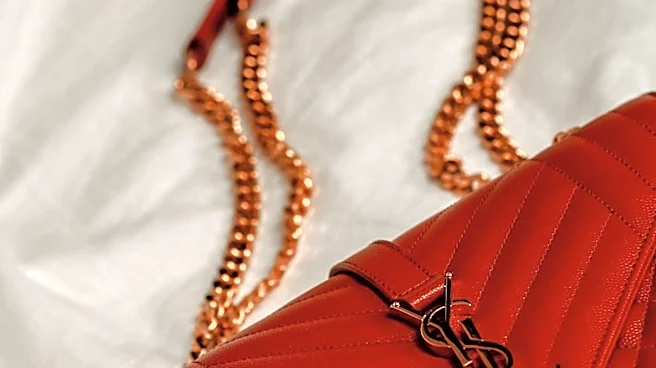
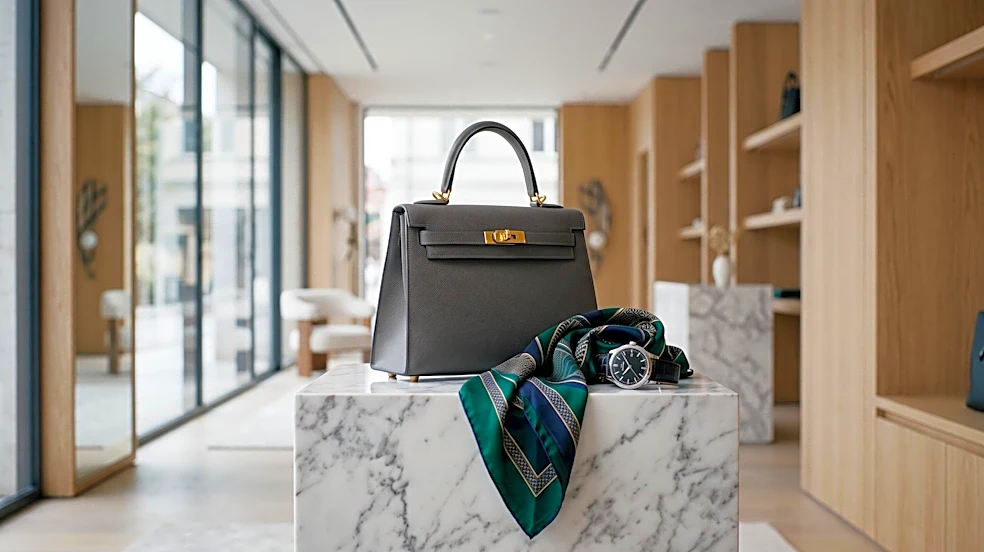
The luxury handbags resale service market is undergoing substantial expansion, fueled by evolving consumer preferences and technological advancements. This growth is primarily driven by increasing consumer demand for sustainable fashion options and value-driven
purchasing. Many buyers are opting for pre-owned designer handbags as a sustainable choice, reducing waste and minimizing environmental impact, aligning with broader shifts towards circular fashion models. Additionally, the resale market offers significant value, allowing consumers to acquire luxury handbags at a fraction of their original price, making high-end fashion more accessible, particularly for budget-conscious younger buyers. Digital platforms and advanced authentication technologies, including AI-powered image recognition and blockchain verification, are crucial in ensuring product authenticity and building consumer confidence in this market.
Why It's Important?
The surge in the luxury handbags resale market is fundamentally reshaping the high-end fashion industry. It signifies a major shift in consumer behavior, where sustainability and affordability are becoming as important as brand prestige. This trend impacts luxury brands by encouraging them to engage with secondary markets, either through partnerships or their own initiatives, to maintain relevance and control over pricing. For retailers and resellers, it presents new revenue streams and opportunities to meet consumer demand for sustainable options. The market's growth also democratizes access to luxury items, making them attainable for a wider demographic and potentially broadening the customer base for luxury brands in the long term. The emphasis on authentication technologies is vital for combating counterfeit products, which is a persistent challenge in the luxury sector.
What's Next?
The luxury handbags resale market is expected to continue its rapid growth, with further technological innovations enhancing authentication and provenance tracking. This will likely lead to increased consumer confidence and reduced fraud. Luxury brands may increasingly adopt hybrid business models, integrating primary sales with resale initiatives to foster brand loyalty and sustainability. Platforms will likely leverage AI and data analytics to predict demand, optimize pricing, and personalize customer experiences. Regional expansion, particularly into emerging markets in Asia-Pacific, is anticipated to be a significant growth area. However, challenges such as counterfeit products, brand restrictions, and logistics will require ongoing strategic collaboration and investment from all stakeholders.
Beyond the Headlines
Beyond the immediate economic impact, the growth of the luxury handbags resale market reflects a deeper cultural shift towards conscious consumption and a redefinition of luxury. It challenges the traditional linear model of fashion consumption, promoting a more circular approach where products have extended lifecycles. This movement also highlights a generational change in values, with younger consumers prioritizing ethical considerations and value for money alongside brand appeal. The increasing reliance on advanced authentication technologies raises questions about data privacy and the future of digital identity for luxury goods. This evolving landscape could ultimately lead to a more transparent, accessible, and environmentally responsible luxury fashion industry.