



What's Happening?
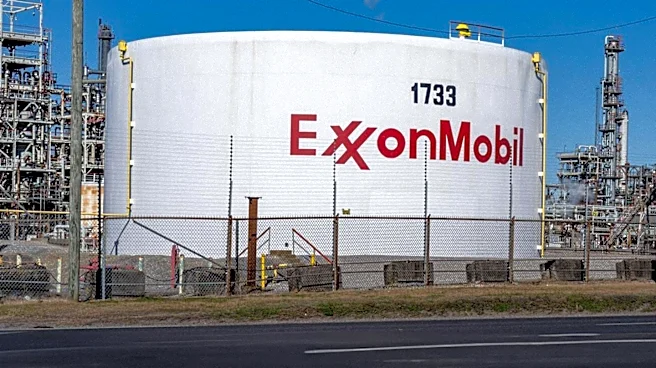
ExxonMobil has made a final investment decision for the Longtail development offshore Guyana, following necessary government and regulatory approvals. This project, the eighth development in the Stabroek block, is anticipated to commence operations in 2030.
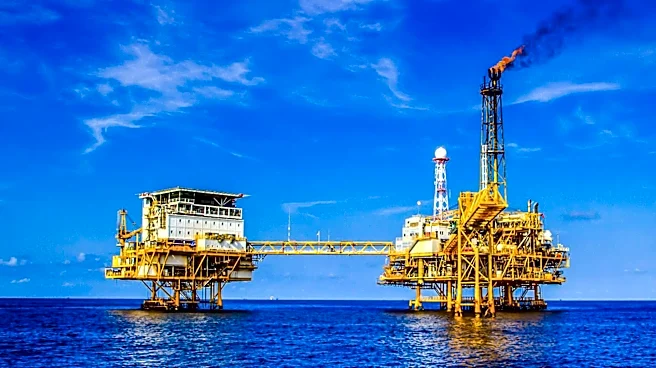
Longtail will focus on non-associated gas and condensate-rich reservoirs, marking a new phase in the development of the Stabroek block. The project plans to utilize a floating production storage and offloading (FPSO) vessel capable of processing 1.2 billion standard cubic feet per day of gas and producing up to 250,000 barrels of condensate per day. It is expected to include approximately 45 subsea production and injection wells. ExxonMobil affiliate ExxonMobil Guyana Limited operates Longtail with a 45% interest, alongside Hess Guyana Exploration Ltd. (30%) and CNOOC Petroleum Guyana Limited (25%). Currently, ExxonMobil is producing around 900,000 barrels of oil per day from four projects in the Stabroek block, with production expected to exceed 1 million bpd once the fifth project, Uaru, starts in the fourth quarter. Construction is also underway for Whiptail and Hammerhead, the sixth and seventh approved projects, slated for production in 2027 and 2029, respectively.
Why It's Important?
This significant investment in the Longtail project underscores ExxonMobil's long-term commitment to developing Guyana's energy resources, particularly its gas and condensate reserves. The project is crucial for Guyana as it aims to unlock new value from its natural resources, potentially leading to substantial economic benefits through increased revenue and local job creation. The development of gas resources could also provide a cleaner energy source for Guyana's domestic needs, reducing reliance on imported fuels. For ExxonMobil, the Longtail project further solidifies its position as a major player in one of the world's most prolific energy developments, contributing to its global energy supply portfolio. The ability to deliver advantaged energy to meet growing global demand is a key strategic objective for the company, especially in a volatile energy market. The project's scale, with an anticipated production of up to 250,000 barrels of condensate per day, will significantly boost ExxonMobil's output and profitability, benefiting its shareholders and strengthening its market presence.
What's Next?
The Longtail project is expected to begin production in 2030. Subject to future investment decisions, market demand, and the development of necessary infrastructure, gas from Longtail could be transported to shore via pipeline, indicating potential for further infrastructure development in Guyana. The ongoing construction of Whiptail and Hammerhead projects, set to begin production in 2027 and 2029 respectively, suggests a continuous expansion of ExxonMobil's operations in the Stabroek block. The anticipated startup of the Uaru project in the fourth quarter will push current production past 1 million barrels of oil per day, further increasing Guyana's output. These developments will likely lead to continued engagement with the Guyanese government and local suppliers, with ExxonMobil and its contractors having already spent over US$3.9 billion with Guyanese suppliers since 2015. The company's focus on developing both oil and gas resources indicates a diversified approach to energy production in the region.
Beyond the Headlines
The Longtail project's focus on non-associated gas and condensate-rich reservoirs highlights a strategic shift towards diversifying energy production beyond crude oil in the Stabroek block. This could have broader implications for Guyana's energy future, potentially positioning it as a significant gas producer in the region. The possibility of transporting gas to shore by pipeline suggests a long-term vision for domestic gas utilization, which could support industrial development and reduce the country's carbon footprint by displacing heavier fuel sources. This move aligns with global trends towards cleaner energy, even within the fossil fuel sector. The substantial investment and long-term commitment from ExxonMobil also raise questions about the environmental impact of such large-scale offshore developments and the regulatory frameworks in place to mitigate risks. The project's success could also influence future foreign direct investment in Guyana's energy sector, attracting other international players and further integrating Guyana into the global energy market.