








What's Happening?
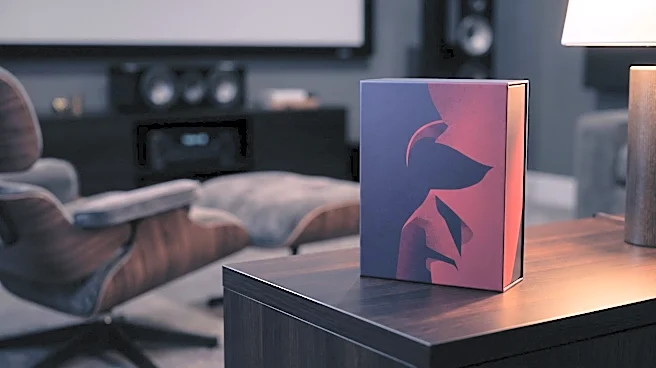
Kino Lorber, in collaboration with Milestone Films, has completed a new 4K restoration of Erich von Stroheim’s silent-era film 'Queen Kelly.' This restored version, which honors Stroheim’s original vision, will be screened on the big screen. The restoration process
utilized historical photographs, papers, and original nitrate negatives. The film, starring Gloria Swanson as a convent girl entangled with a seductive prince, now features a new romantic score composed by Eli Denson. This marks a significant effort to bring a previously 'lost' masterpiece back to contemporary audiences with enhanced quality.
Why It's Important?
The restoration and re-release of 'Queen Kelly' by Kino Lorber and Milestone Films is important for the U.S. film industry and film preservation efforts. It highlights the ongoing commitment to restoring classic cinema, ensuring that historically significant works are not lost to time and technological obsolescence. For film enthusiasts and scholars, this provides an opportunity to experience a silent-era masterpiece as close to its original artistic intent as possible, complete with a new score that enhances the viewing experience. Such restorations contribute to the cultural heritage of cinema, making these foundational works accessible to new generations and reinforcing the artistic value of early filmmaking.
What's Next?
The newly restored 'Queen Kelly' is now available for big screen viewing, allowing audiences to experience Erich von Stroheim’s silent-era masterpiece with enhanced clarity and a new score. This release may encourage further collaborations between Kino Lorber and Milestone Films on other restoration projects. The success of this restoration could also pave the way for more silent films to receive similar treatment, bringing them back into the public consciousness. Film archives and independent theaters are likely to feature this restored version, offering unique cinematic experiences to their patrons.
Beyond the Headlines
The restoration of 'Queen Kelly' transcends a simple re-release; it represents a profound act of cultural reclamation. Many silent films are lost or exist only in fragmented forms, making each successful restoration a victory for cinematic history. This project underscores the dedication required to piece together historical elements—photographs, papers, and fragile nitrate negatives—to reconstruct an artist's original vision. The addition of a new score by Eli Denson also highlights the evolving nature of film presentation, where contemporary artists contribute to the interpretation of historical works. This effort not only preserves a film but also enriches the understanding of early Hollywood and the challenges faced by filmmakers of that era.