



What's Happening?
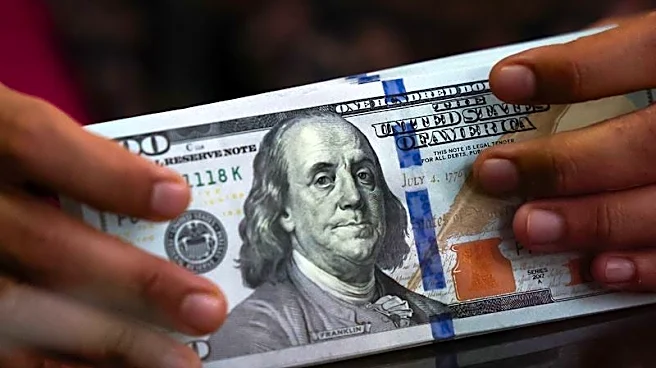
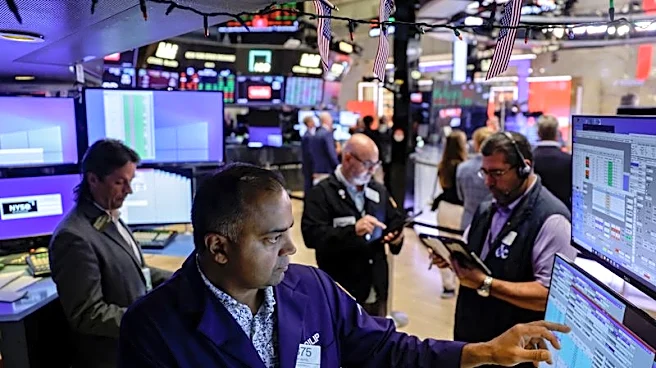
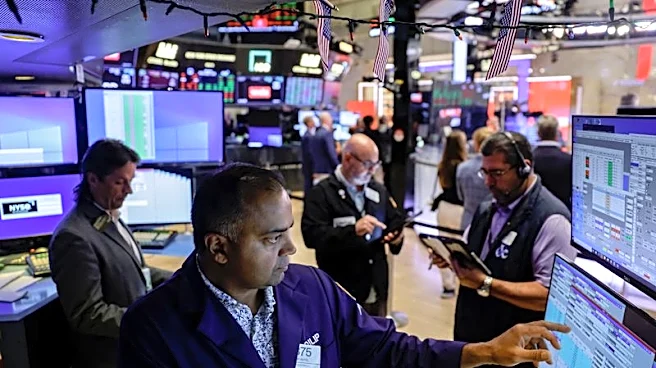
The U.S. dollar's advance stalled on Thursday following benign inflation data, which led traders to reduce their expectations for a near-term Federal Reserve interest rate hike. The Producer Price Index (PPI) remained unchanged in July, aligning with
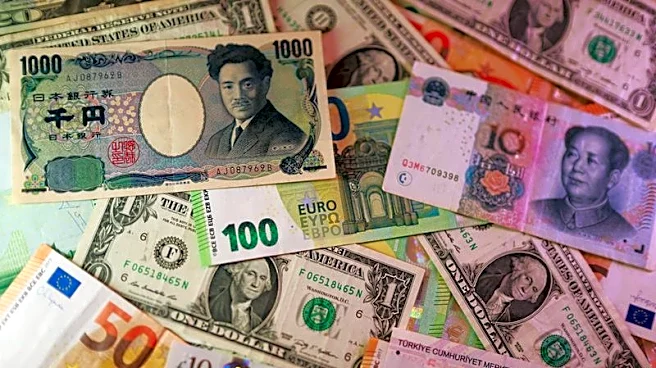
the previous day's consumer price inflation report that showed minimal increases. This data prompted a decrease in the probability of a September rate hike, with Fed funds futures now indicating a 31% chance, down from 40% the previous day. The dollar index, which measures the greenback against a basket of currencies, fell slightly, reflecting the market's adjusted expectations.
Why It's Important?
The dollar's performance is a critical indicator of economic sentiment and monetary policy expectations. The reduction in rate hike bets suggests that the Federal Reserve may maintain its current policy stance, which could influence global currency markets and trade dynamics. A weaker dollar can benefit U.S. exporters by making American goods more competitive abroad, potentially boosting economic growth. However, it also reflects ongoing concerns about inflation and the Fed's ability to manage it effectively. The interplay between inflation data and monetary policy will continue to shape market expectations and economic outcomes.
What's Next?
Market participants will closely watch upcoming economic data releases, particularly those related to inflation and employment, to gauge the Federal Reserve's future policy actions. The central bank's decisions will have significant implications for currency markets, interest rates, and global economic stability. Additionally, geopolitical factors, such as tensions in the Strait of Hormuz, could impact oil prices and inflation expectations, further influencing the Fed's policy considerations.