




What's Happening?
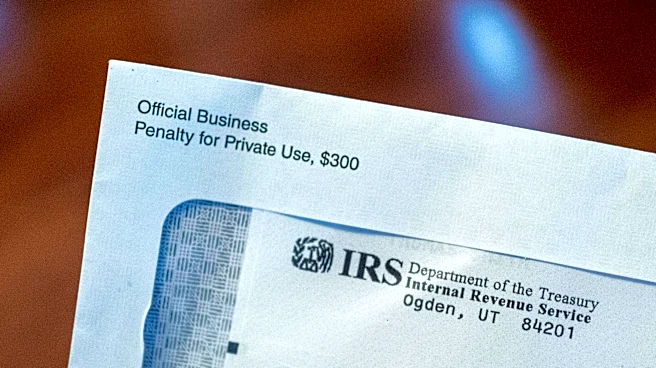
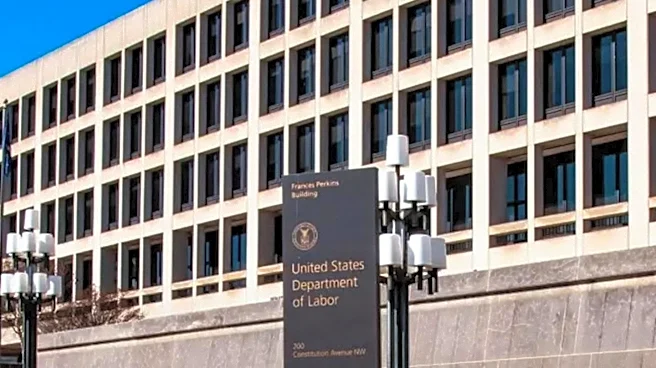
The Form 5500, officially known as the Annual Return/Report of Employee Benefit Plan, is a crucial document developed collaboratively by the Department of Labor, the IRS, and the Pension Benefit Guaranty Corporation (PBGC). This form serves as an annual
report that nearly all private-sector retirement plans in the U.S. are required to file with the government. Its primary purpose is to demonstrate that a plan is being administered in compliance with the Employee Retirement Income Security Act (ERISA) and to provide regulators, plan participants, and the public with an annual overview of the plan's financial health and operational activities. Each plan is uniquely identified by its sponsor's employer identification number (EIN) and a three-digit plan number. The filing is generally due by the last day of the seventh month after the plan year concludes, with extensions available through Form 5558.
Why It's Important?
The Form 5500 is a cornerstone of transparency and accountability within the U.S. private retirement system. By requiring detailed financial and operational disclosures, it enables regulatory bodies like the Department of Labor, IRS, and PBGC to monitor the solvency and compliance of pension and benefit plans, thereby safeguarding the interests of millions of American workers and retirees. The public availability of this information allows participants to assess the health of their own retirement plans and make informed decisions. For financial professionals and service providers, the detailed schedules within Form 5500, particularly Schedule C, offer valuable insights into the competitive landscape, revealing who provides services to plans and the compensation they receive. This data helps ensure fair practices and can influence market dynamics for retirement plan services.
What's Next?
The information collected through Form 5500 will continue to be a vital resource for regulatory oversight and public scrutiny of private-sector retirement plans. While the form provides a backward-looking snapshot of a plan's operations, its consistent filing ensures ongoing accountability. Future developments may include further refinements to the form or its accompanying schedules to enhance data collection or streamline reporting, especially as the retirement landscape evolves. The ongoing analysis of this data by government agencies will inform policy decisions related to retirement security and ERISA compliance, potentially leading to new regulations or enforcement actions to protect plan participants.
Beyond the Headlines
Beyond its immediate regulatory function, Form 5500 plays a significant role in fostering trust in the U.S. retirement system. The transparency it mandates helps to deter mismanagement and fraud, reinforcing the legal protections afforded by ERISA. The data also contributes to broader economic understanding, offering insights into the aggregate health of private pension funds, which are substantial investors in the U.S. and global economies. The continuous collection and analysis of this data can highlight emerging trends in retirement savings, plan design, and investment strategies, influencing both individual financial planning and national economic policy discussions regarding long-term financial stability for retirees.