







What's Happening?
Bio-Techne Corporation, a global provider of life science tools, has opened a new Good Manufacturing Practice (GMP) manufacturing facility in Bristol. This 10,000-square-foot facility is designed to produce GMP-grade small molecules, crucial for the rapidly
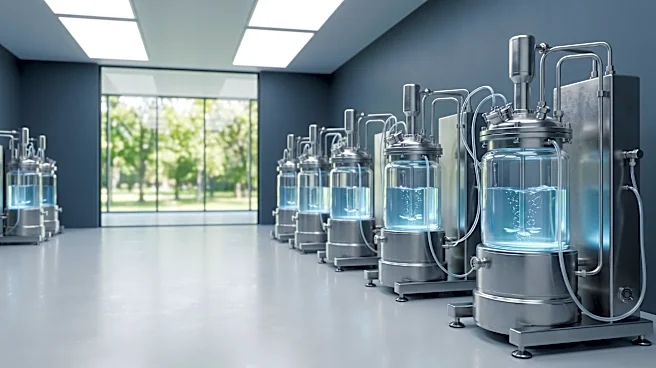
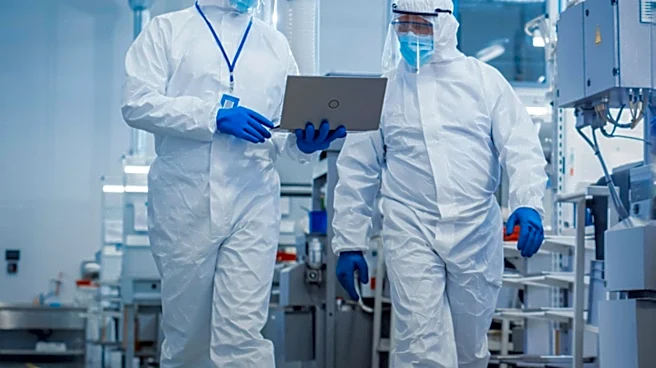
expanding cell therapy market. The facility features five ISO-8 multifunctional cleanrooms and two ISO-7 cleanrooms, adhering to stringent standards required for advanced cell therapy manufacturing. This expansion is part of Bio-Techne's broader strategy to establish a comprehensive manufacturing network that supports every stage of the cell therapy workflow, from research to commercialization. The company aims to address the industry's need for scalable and reproducible manufacturing processes, ensuring high-quality GMP materials and reliable global supply for therapy developers. This new site complements Bio-Techne's existing recombinant protein manufacturing operations in Minneapolis, Minnesota, and GMP capabilities in St. Paul, further integrating its portfolio of GMP proteins, small molecules, and cell media.
Why It's Important?
This investment by Bio-Techne is significant for the cell therapy industry, particularly in the U.S., as it directly addresses critical challenges in bringing advanced therapies to patients. The ability to manufacture therapies consistently and at scale is paramount for the maturation and accessibility of cell therapies. By providing high-quality GMP materials and scalable manufacturing solutions, Bio-Techne helps therapy developers reduce variability, standardize processes, and accelerate development timelines. This is crucial for companies transitioning from clinical development to commercial production, as regulatory expectations continue to evolve. The expansion reinforces the importance of robust manufacturing infrastructure to enable broader patient access to transformative treatments. U.S. cell therapy developers stand to gain from a more reliable supply chain and enhanced manufacturing expertise, which can expedite their products' journey to market and ultimately benefit patients in need of advanced therapeutic options.
What's Next?
The Bristol facility is fully operational and has already commenced manufacturing GMP-grade small molecules, indicating immediate support for customers developing next-generation cell therapies globally. Bio-Techne is expected to continue integrating its manufacturing capabilities across its global network, including its U.S. operations in Minneapolis and St. Paul, to offer a seamless transition for clients from research to commercial supply. The company's strategic partnerships, such as with Wilson Wolf Corporation for cell culture devices, will likely be further leveraged to provide an even more integrated portfolio. As the cell therapy market continues to grow, Bio-Techne's enhanced capacity will enable it to support a wider range of therapeutic programs, potentially leading to faster development and commercialization of new cell therapies. Future developments may include further expansions or strategic acquisitions to meet the increasing demand for GMP-grade materials and manufacturing services.
Beyond the Headlines
The opening of Bio-Techne's new facility highlights a broader trend in the life sciences industry: the critical need for robust and scalable manufacturing infrastructure to support the rapid advancements in cell and gene therapies. This development underscores the shift from early-stage research to commercial viability, where manufacturing efficiency and quality control become paramount. Ethically, ensuring consistent quality and supply of these complex therapies is vital for patient safety and equitable access. Legally, the facility's adherence to GMP standards reflects the stringent regulatory environment governing advanced therapies, emphasizing the importance of compliance throughout the product lifecycle. This investment also signals a long-term commitment to innovation in biomanufacturing, which could drive further technological advancements in automation, data analytics, and process optimization within the cell therapy sector, ultimately shaping the future of personalized medicine.