





What's Happening?
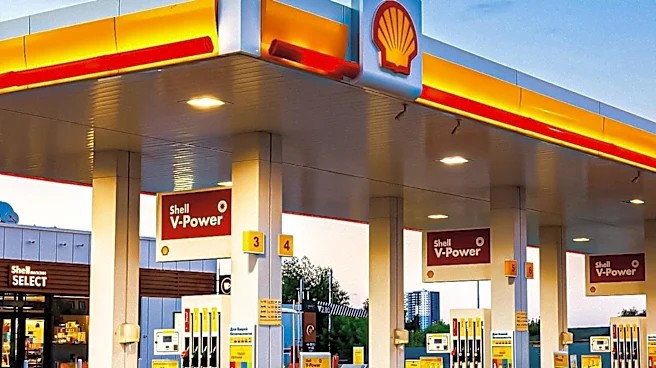
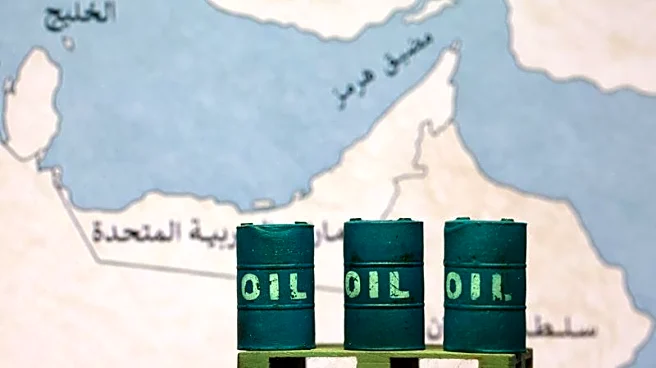
Shell has reported a significant increase in profits, more than doubling to $9.84 billion in the second quarter of 2026, compared to the same period last year. This surge is attributed to the rise in global oil and gas prices, driven by disruptions in the Middle
East. The company's trading desks have capitalized on market volatility, boosting earnings. The increase in profits has reignited debates over the implementation of a windfall tax on large oil companies, with calls for the revenue to support households affected by rising energy costs and to fund renewable energy initiatives.
Why It's Important?
Shell's profit surge highlights the impact of geopolitical tensions on global energy markets and the financial performance of major oil companies. The significant earnings have sparked discussions on the ethical and economic implications of such profits amid global climate challenges. The call for a windfall tax reflects growing public and political pressure to address the disparity between corporate profits and consumer energy costs. The situation underscores the need for a balanced approach to energy policy that considers both economic and environmental factors.
What's Next?
The debate over a windfall tax is likely to intensify, with potential implications for Shell and other major oil companies. Policymakers may explore legislative measures to address public concerns and ensure fair distribution of energy sector profits. Shell's future strategies will likely focus on balancing profitability with sustainability, as the company navigates the complex landscape of global energy markets. The outcome of these discussions could influence the broader energy policy framework and the transition towards renewable energy sources.