
What's Happening?
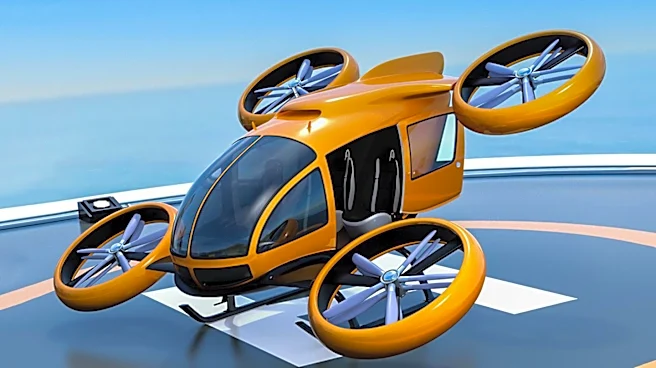
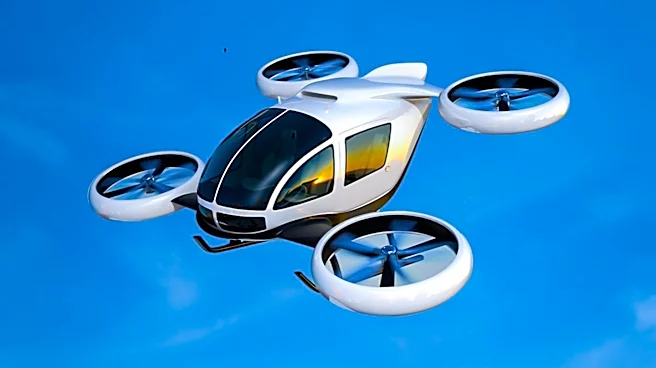
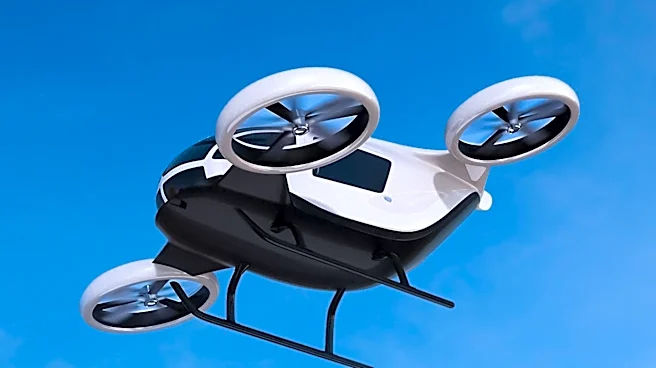
Joby Aviation is experiencing high demand for its air taxi services, with its Blade passenger network seeing a significant increase in seat sales. The company reported a 50% rise in seat sales in the second quarter of 2026 compared to the previous year,
contributing to a total revenue of $39 million for the quarter. Joby has raised its full-year 2026 revenue guidance to between $115 million and $125 million. The company is preparing to launch its aircraft under the White House-backed eIPP program in September, which aims to bring its aircraft into service ahead of FAA type certification. Joby currently has five electric air taxis in operation and twelve more in production, with a notable reduction in manufacturing nonconformance rates.
Why It's Important?
The strong demand for Joby Aviation's air taxi services highlights the growing interest in urban air mobility solutions. The company's ability to monetize its aircraft before full FAA certification is a significant advantage, allowing it to generate revenue while continuing to expand its fleet. The high utilization rates of Blade's services indicate a robust market for time-saving transportation options, which Joby's aircraft are designed to provide. This development underscores the potential for air taxis to become a mainstream mode of urban transportation, offering a quieter and more cost-effective alternative to traditional methods.
What's Next?
Joby Aviation plans to commence its first flights under the eIPP program in the Dallas-Fort Worth area, with the potential to expand its operations as more aircraft become available. The company's focus will be on maintaining production cadence and meeting the high demand for its services. As Joby progresses towards FAA certification, it will be important to monitor its ability to scale production and manage operational challenges. The success of these efforts could set a precedent for the broader adoption of air taxis in urban environments.