







What's Happening?
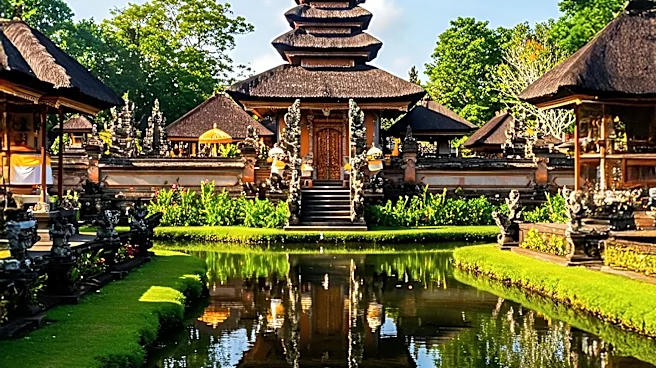
Chiang Mai, located in northern Thailand, is a prominent tourist destination characterized by its rich cultural heritage, diverse natural landscapes, and vibrant culinary scene. The city is home to numerous historic temples, such as Wat Phra Singh and Wat Chedi
Luang, which showcase traditional Lanna craftsmanship and offer opportunities for quiet reflection. Beyond the city's ancient walls, visitors can explore mountain landscapes, including Doi Suthep with its panoramic views, and engage in ethical encounters with hill tribes. The city also boasts lively night markets like Chang Puak Market and the Chiang Mai Night Bazaar, offering antiques, textiles, and street food. Culinary experiences are a significant draw, with cooking classes available to teach visitors how to prepare classic Northern Thai dishes. Additionally, Chiang Mai emphasizes nature and wellness, featuring ethical elephant sanctuaries like Elephant Nature Park, spas utilizing local herbs, and green spaces such as the Queen Sirikit Botanic Garden.
Why It's Important?
Chiang Mai's appeal as a multifaceted tourist destination contributes significantly to Thailand's tourism economy. Its blend of cultural immersion, natural beauty, and culinary experiences attracts a wide range of international travelers, supporting local businesses, artisans, and the hospitality sector. The emphasis on ethical tourism, particularly with elephant sanctuaries, sets a standard for responsible travel and promotes animal welfare, which can influence global tourism trends and consumer choices. The city's ability to offer both historical exploration and modern wellness activities caters to evolving traveler preferences, ensuring its continued relevance in the competitive global tourism market. The economic impact extends to various sectors, from transportation and accommodation to food services and local crafts, providing livelihoods for many residents.
What's Next?
Chiang Mai is expected to continue its growth as a major tourist destination, with ongoing efforts to balance tourism development with cultural preservation and environmental sustainability. Future initiatives may focus on enhancing infrastructure to accommodate increasing visitor numbers while maintaining the city's authentic charm. There will likely be a continued push for ethical tourism practices, potentially leading to more regulated and responsible animal encounters and community-based tourism projects. The city may also further develop its wellness tourism offerings, capitalizing on its serene environment and traditional practices. As global travel patterns evolve, Chiang Mai will likely adapt its offerings to cater to new demographics and interests, potentially expanding its digital presence and promoting lesser-known attractions to disperse tourist traffic and support broader regional development.
Beyond the Headlines
The sustained popularity of Chiang Mai highlights a broader trend in tourism towards experiential and responsible travel. Travelers are increasingly seeking authentic cultural experiences, engagement with local communities, and opportunities to connect with nature in an ethical manner. This shift has implications for how destinations market themselves and manage their resources, pushing for more sustainable practices that benefit both visitors and local populations. The city's success in integrating ancient traditions with modern amenities also reflects a global desire for destinations that offer a blend of history, relaxation, and adventure. Furthermore, the focus on culinary tourism underscores the growing importance of food as a cultural ambassador and a key component of the travel experience, driving demand for local cooking classes and food tours.