









What's Happening?
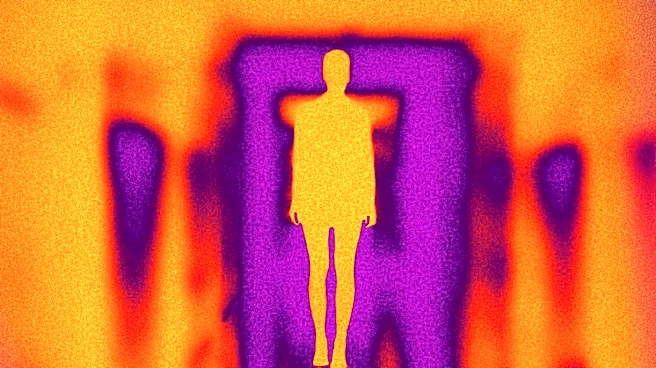
Thermal cameras have become an increasingly popular tool for identifying hidden problems in homes and other environments. These devices, which can be standalone units, smartphone attachments, or integrated into certain rugged smartphones, allow users
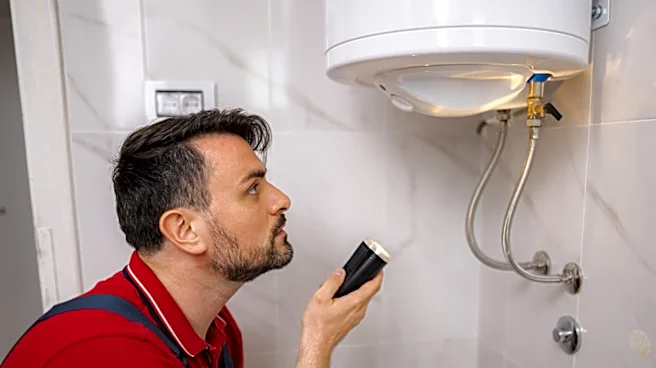
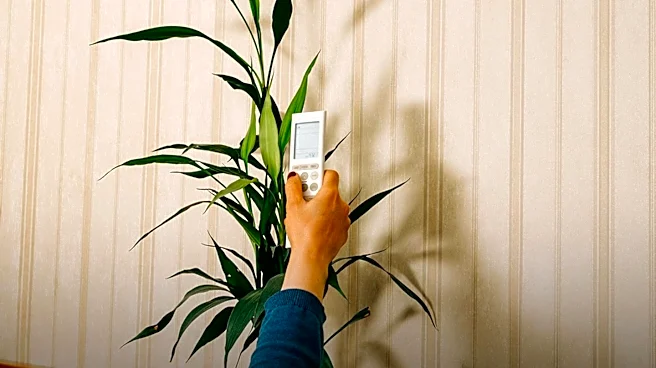
to detect temperature variations that are invisible to the naked eye. This capability makes them invaluable for tasks such as energy audits, electrical fault finding, damp inspections, and identifying leaky plumbing. The technology, once associated primarily with military and high-end professional use, is now accessible to consumers at prices starting around $100. The article highlights the practical applications of thermal cameras, such as spotting heat loss around windows and doors, detecting overloaded circuits, and finding pests or faulty components on circuit boards.
Why It's Important?
The growing accessibility of thermal cameras represents a significant advancement in home maintenance and safety. By enabling homeowners to detect issues like heat loss, electrical faults, and moisture intrusion early, these devices can prevent costly repairs and enhance energy efficiency. This not only saves money but also contributes to environmental sustainability by reducing unnecessary energy consumption. Additionally, the ability to identify potential fire hazards or structural issues before they become serious problems can improve safety and peace of mind for homeowners. As the technology becomes more affordable and integrated into everyday devices, its adoption is likely to increase, further democratizing access to this powerful diagnostic tool.
What's Next?
As thermal camera technology continues to evolve, we can expect further integration into consumer electronics, making it even more accessible and user-friendly. Manufacturers may develop more advanced features, such as higher resolution imaging and enhanced connectivity options, to appeal to a broader audience. Additionally, as awareness of the benefits of thermal imaging grows, there may be increased demand for these devices in both residential and commercial settings. This could lead to innovations in related fields, such as smart home technology and energy management systems, further enhancing the utility and appeal of thermal cameras.
Beyond the Headlines
The widespread adoption of thermal cameras could have broader implications beyond individual households. For instance, they could play a role in public safety and infrastructure maintenance by allowing for the early detection of issues in public buildings and utilities. Moreover, as more people become familiar with thermal imaging, there may be increased interest in its applications in fields such as wildlife conservation, agriculture, and healthcare. This could spur further research and development, leading to new uses and improvements in thermal imaging technology.