




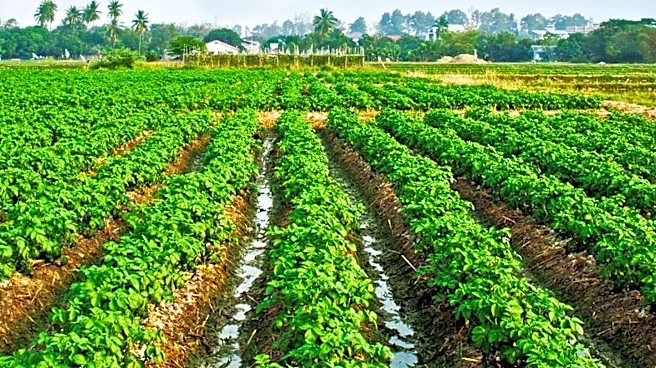
What's Happening?
The regenerative agriculture market is projected to grow significantly, from USD 8.7 billion in 2022 to USD 16.8 billion by 2027, according to MarketsandMarkets. This growth is driven by increasing environmental concerns, government incentives, and consumer
demand for sustainably produced food. Regenerative agriculture focuses on restoring ecosystems, improving soil health, and building climate resilience, offering farmers practical ways to enhance productivity while protecting natural resources. Key practices include agroforestry, which integrates trees with crops and livestock to improve soil fertility and biodiversity, and soil management techniques that reduce reliance on synthetic fertilizers.
Why It's Important?
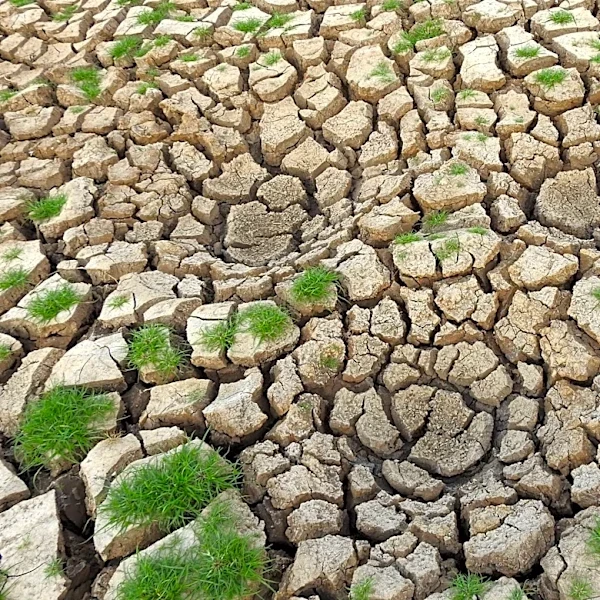
The expansion of regenerative agriculture represents a significant shift in farming practices, emphasizing sustainability and resilience. This movement is crucial for addressing soil degradation and climate change, offering long-term benefits for farmers and the environment. As consumer preferences shift towards sustainably sourced products, companies and farmers adopting these practices may gain a competitive edge. Additionally, government policies and corporate sustainability commitments are likely to further drive the adoption of regenerative practices, potentially transforming the agricultural landscape and supply chains.
What's Next?
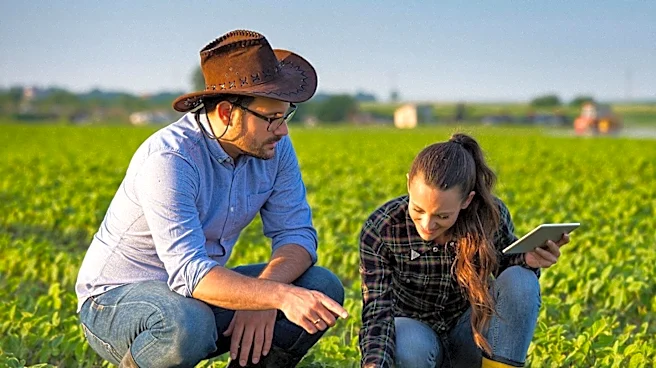
The continued growth of the regenerative agriculture market will likely see increased investment in sustainable agricultural technologies and practices. Farmers and agribusinesses may increasingly adopt precision agriculture tools, soil health monitoring technologies, and carbon measurement platforms to optimize regenerative practices. As the market expands, partnerships between food manufacturers, agribusinesses, and farmers are expected to strengthen, further accelerating the transition to sustainable farming systems.