





What's Happening?
Boho furniture design, rooted in the 'Bohemian' movement, is gaining prominence for its emphasis on artistic freedom, non-conformity, and sustainable practices. This design philosophy, which originated from 19th-century Parisian artists and writers, prioritizes
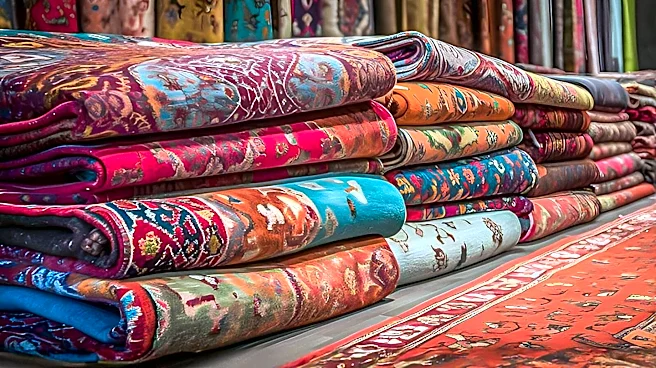
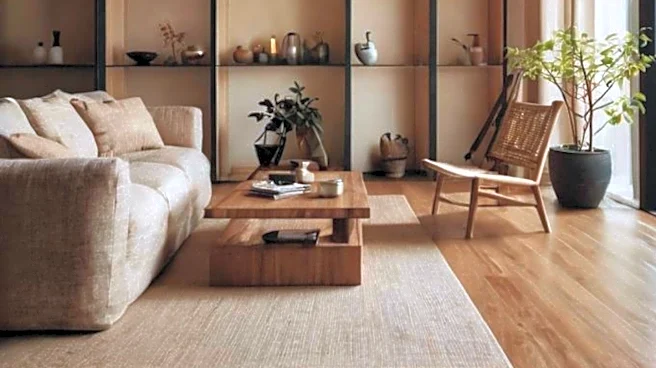
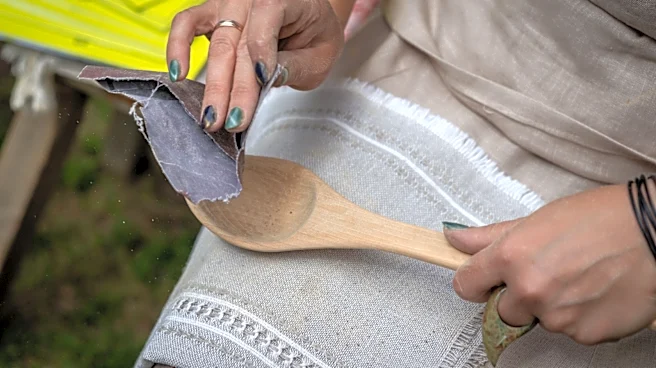
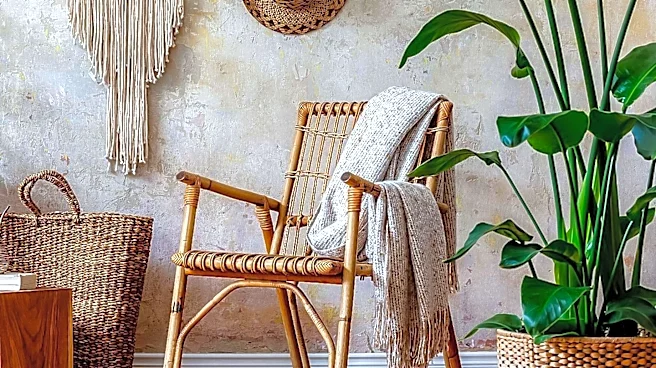
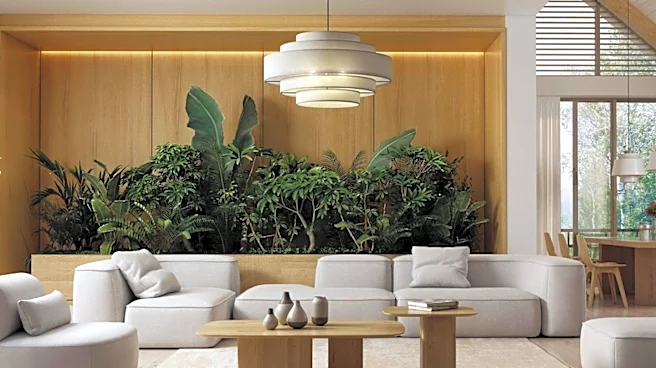
creativity and spiritual wealth over rigid standards. In modern furniture, this translates into an eclectic aesthetic that rejects sterile minimalism and strict symmetry. Instead, it celebrates artisan craftsmanship, imperfect textures, and items collected from various cultures. Key characteristics include the use of organic raw materials like rattan, wicker, bamboo, and reclaimed wood, rich layered textures such as macrame and distressed leather, warm earthy color palettes, and eclectic cultural patterns like Moroccan tribal motifs and Turkish kilim weaves. This approach offers styling versatility, allowing vintage pieces to blend with modern accents, and promotes sustainable consumer habits through the use of renewable and upcycled materials.
Why It's Important?
The rise of boho furniture design signifies a broader shift in consumer preferences towards authenticity, sustainability, and personalized living spaces. This trend challenges conventional interior design norms that often favor rigid symmetry and sterile perfectionism, instead promoting emotional comfort and relaxed social connections. For the furniture industry, this means an increased demand for handcrafted items, ethically sourced materials, and designs that tell a story. Businesses that adapt to this aesthetic by offering versatile, sustainable, and culturally rich pieces stand to gain a significant market share. Conversely, manufacturers adhering strictly to minimalist or mass-produced styles may find themselves out of step with evolving consumer values. The emphasis on upcycled timber and renewable raw materials also contributes to environmental sustainability efforts, aligning with growing public concern for ecological impact and offering a more responsible consumption model.
What's Next?
The continued growth of the boho furniture trend suggests that consumers will increasingly seek out unique, handcrafted, and environmentally conscious home furnishings. This could lead to further innovation in sustainable material sourcing and production methods within the furniture industry. Designers and retailers are likely to expand their offerings of pieces that incorporate diverse cultural patterns and textures, moving away from generic, mass-produced items. We may also see a greater emphasis on creating 'soulful sanctuaries' within homes, where spatial arrangements prioritize comfort and personal expression over strict adherence to design rules. This shift could encourage more collaborations between furniture brands and artisans, fostering a market that values craftsmanship and individuality. Additionally, educational initiatives on the care and maintenance of organic materials will become more prevalent as consumers invest in these long-lasting, natural pieces.
Beyond the Headlines
Beyond its aesthetic appeal, the boho furniture movement reflects a deeper cultural yearning for connection to nature, heritage, and individuality in an increasingly digital and standardized world. It challenges the notion that modern living must be devoid of warmth or personal history, instead advocating for spaces that are lived-in, authentic, and reflective of one's journey. This design philosophy can be seen as a form of quiet rebellion against consumerism that prioritizes disposability and fleeting trends. By embracing artisan craftsmanship and upcycled materials, it subtly promotes a more mindful approach to consumption, encouraging individuals to invest in pieces with longevity and character. The psychological significance of arranging a room with boho furniture, prioritizing emotional comfort and informal gatherings, suggests a societal desire for more intimate and meaningful interactions within the home, fostering a sense of community and storytelling.