




What's Happening?
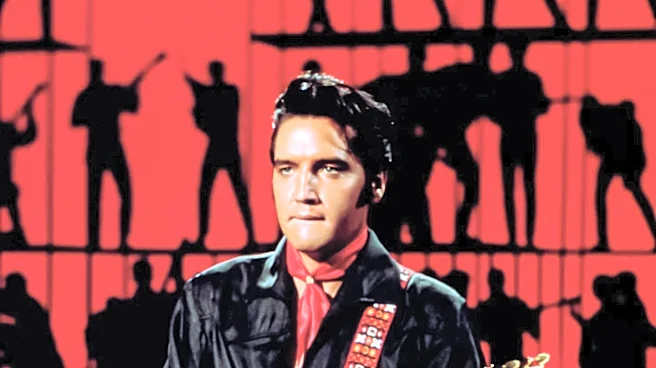
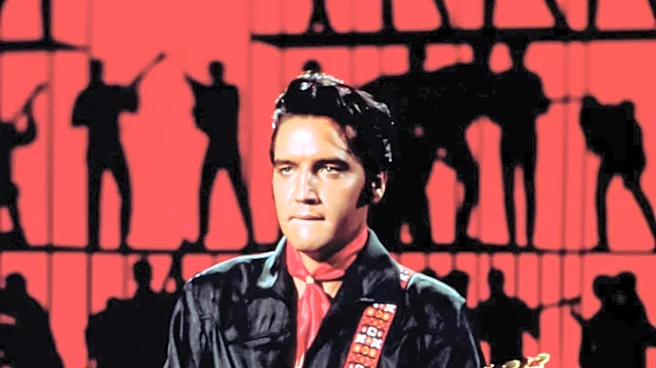
The licensing group that holds the rights to Elvis Presley's music and brand, Authentic Brands Group, has initiated a $41 million lawsuit against the artificial intelligence company Anthropic. The Tennessee-based group alleges that Anthropic's AI model,
Claude, was trained on 274 of Presley's songs without proper authorization. These songs include well-known titles such as 'Can't Help Falling in Love,' 'Don't Be Cruel,' 'Farther Along,' 'If You Think I Don't Need You,' and 'Run On.' The lawsuit, filed on October 23, seeks approximately $150,000 in damages for each infringed song. Authentic Brands Group, along with co-plaintiffs who also own Presley rights, asserts that Anthropic has built its business model on widespread copyright infringement. Lead attorney Richard Busch stated that the plaintiffs are highly protective of these iconic songs. Anthropic has responded by stating disagreement with the claims and an intention to fully defend the case.
Why It's Important?
This lawsuit marks a significant development in the ongoing debate surrounding artificial intelligence and intellectual property rights, particularly within the music industry. While major labels and music publishers have previously filed claims against AI companies, this case is notable as one of the first high-profile instances where the owner of a single artist's catalog has sued for copyright infringement. The outcome could establish a precedent for how AI models are permitted to use copyrighted material for training and content generation. It highlights the challenges faced by content creators and rights holders in protecting their intellectual property in the age of advanced AI. The music industry, in particular, is grappling with how to license and monetize its vast catalog when AI systems can analyze, learn from, and potentially reproduce elements of existing works. A ruling in favor of the plaintiffs could lead to stricter regulations and licensing requirements for AI developers, potentially impacting the development and deployment of AI technologies that rely on large datasets of creative works.
What's Next?
The lawsuit will proceed through the legal system, with Anthropic expected to present its defense against the copyright infringement allegations. The court will likely examine the extent to which Anthropic's AI model, Claude, utilized the copyrighted Elvis Presley songs and whether its outputs constitute 'unlicensed derivative works.' The plaintiffs' claim that Claude continues to infringe even after 'guardrails' were supposedly implemented, and its admission of creating renders 'very close to the originals,' will be key points of contention. This case could lead to further legal actions from other artists' estates or catalog owners who believe their intellectual property has been similarly misused by AI companies. The tech and entertainment industries will closely monitor the proceedings, as the judgment could influence future business models for AI development and content creation, potentially leading to new licensing frameworks or legislative efforts to address AI's impact on copyright law.
Beyond the Headlines
This lawsuit delves into the complex ethical and legal questions surrounding generative AI and originality. The core issue extends beyond mere copying to whether AI models, by learning from existing works, are creating new, transformative content or simply reproducing copyrighted material in a different form. The plaintiffs' argument that Claude's outputs are 'edging past 'inspired by' into reproducing the copyrighted song' touches upon the philosophical debate of what constitutes true creativity versus algorithmic mimicry. This case could force a re-evaluation of fair use doctrines in the context of AI, potentially leading to new interpretations of how AI-generated content interacts with existing copyright protections. The broader implication is a potential shift in how intellectual property is valued and protected in a digital landscape increasingly shaped by AI, impacting not only the music industry but also literature, visual arts, and other creative fields. It underscores the urgent need for legal frameworks to adapt to rapid technological advancements.