


What's Happening?
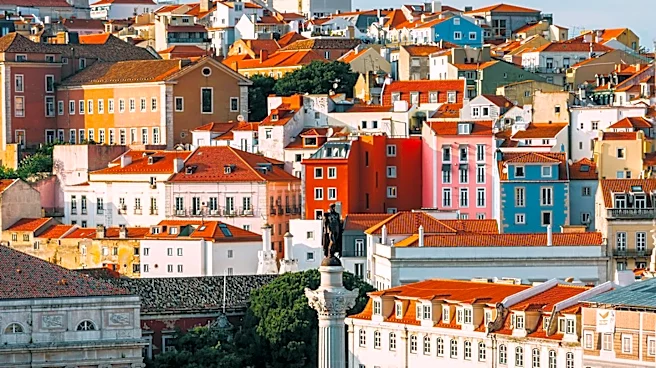
Lisbon's central neighborhoods of Bairro Alto and Cais do Sodré are vibrant hubs offering distinct atmospheres throughout the day and night. Bairro Alto, situated uphill, is characterized by narrow streets filled with traditional restaurants, cafes, bars,
and fado houses. While known for its bustling nightlife, it presents a calmer demeanor during the day, with shops and cafes catering to daily routines. Santa Catarina, a more residential area adjacent to Bairro Alto, is popular for its local cafes and viewpoints, especially at sunset. Downhill, Cais do Sodré is shaped by its riverfront location, transport connections, and the Mercado da Ribeira. This area serves as a major transport hub during the day and transforms into a lively nightlife destination, particularly around Rua Nova do Carvalho, also known as Pink Street. Bica, connecting the upper city to the river, maintains a residential feel during the day but becomes part of the nightlife route in the evenings. These areas collectively offer a wide range of dining options, from traditional Portuguese meals and seafood to modern culinary concepts, catering to both locals and tourists.
Why It's Important?
The dynamic and diverse offerings of Lisbon's Bairro Alto and Cais do Sodré neighborhoods are crucial for the city's tourism industry and local economy. These areas attract a significant number of visitors, contributing to the hospitality sector through restaurants, bars, cafes, and accommodations. The preservation of traditional Portuguese establishments, such as fado houses and tascas, alongside modern dining experiences, helps maintain Lisbon's cultural identity while appealing to a broad international audience. The distinct day-to-night transformations of these neighborhoods provide varied experiences, encouraging longer stays and repeat visits. The Mercado da Ribeira, with its traditional market and the Time Out Market, serves as a significant culinary landmark, showcasing both local produce and renowned Portuguese chefs. This blend of tradition and modernity in food and entertainment venues supports local businesses, creates employment opportunities, and enhances Lisbon's reputation as a vibrant European capital.
What's Next?
The continued evolution of Bairro Alto and Cais do Sodré will likely see a balance between preserving their historical charm and adapting to modern tourism trends. Efforts may focus on sustainable tourism practices to manage the influx of visitors, particularly during peak nightlife hours, while ensuring the quality of life for residents. The culinary scene is expected to continue diversifying, with new restaurants and food concepts emerging alongside established traditional eateries. There may be an increased emphasis on promoting specific culinary experiences, such as private dinners in local homes or specialized food tours, to offer more authentic and immersive cultural engagements. Additionally, the transport infrastructure connecting these areas, including the Bica funicular and ferry services, will remain vital for accessibility and could see further enhancements to accommodate growing visitor numbers. The ongoing redevelopment of the waterfront in Cais do Sodré suggests further integration of public spaces with commercial and leisure activities.
Beyond the Headlines
Beyond their immediate economic impact, the cultural interplay within Bairro Alto and Cais do Sodré reflects broader societal shifts in Lisbon. The coexistence of centuries-old fado houses with contemporary bars and international restaurants highlights the city's ability to embrace modernity while honoring its heritage. The transformation of areas like Rua Nova do Carvalho (Pink Street) from a historical red-light district to a popular nightlife spot illustrates urban regeneration and changing social perceptions. The emphasis on authentic Portuguese food experiences, from simple bifanas to sophisticated fine dining, underscores a national pride in culinary traditions. These neighborhoods serve as living museums, where the architecture, street names, and daily routines tell stories of Lisbon's past, from its maritime history to its artistic and journalistic roots. The challenge lies in managing the commercialization that often accompanies tourism, ensuring that the unique character and local identity of these areas are not overshadowed by global trends.