




What's Happening?
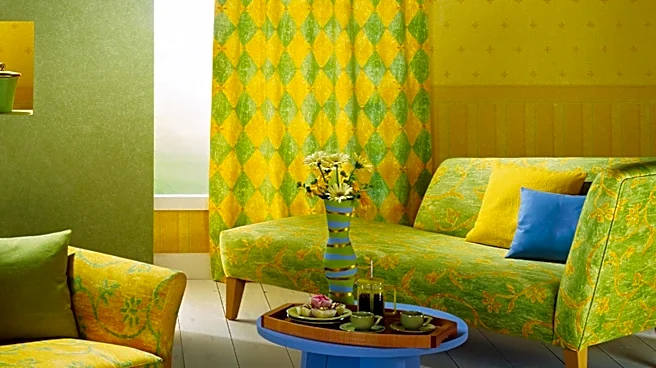
Goldie Hawn's former Los Angeles living room from 1968 is being highlighted as the blueprint for a contemporary interior design trend called 'subtle maximalism.' This style, as described by Homes & Gardens, emphasizes gently patterned textiles and the display
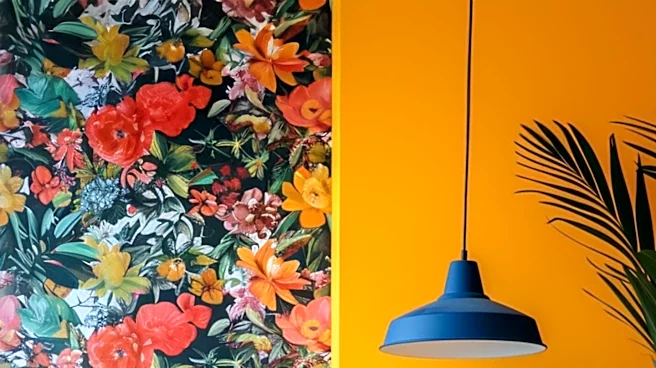
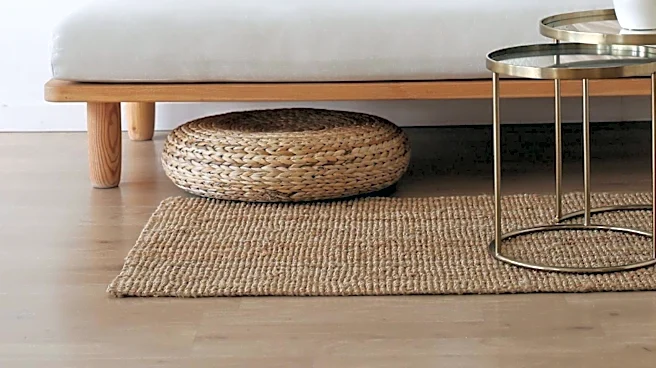
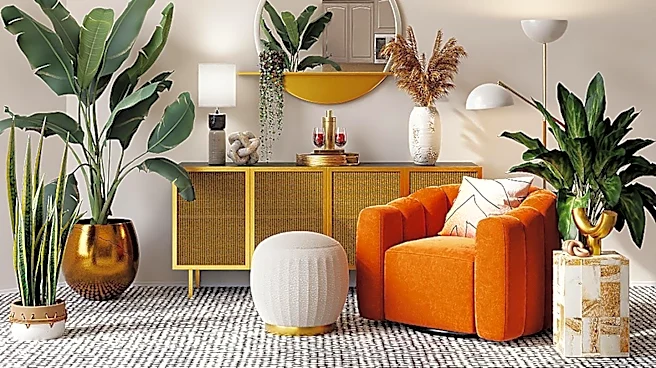
of everyday items, creating a warmly lived-in aesthetic rather than bold colors and patterns. Design experts note a shift away from minimalist, staged-looking homes towards spaces with more personality and character. Rohan Blacker, founder of Schplendid, observes that people are moving beyond 'fifty shades of grey' living rooms. The trend focuses on thoughtful curation of colors, patterns, and styles, contrasting elements like natural wood with shiny fabrics and matte walls to create visual depth. Classic patterns such as florals and stripes, along with the return of chintz, are key components, aiming for a layered, elegant, and storytelling look.
Why It's Important?
This emerging interior design trend reflects a broader cultural shift in consumer preferences within the U.S. home decor market. The move towards 'subtle maximalism' indicates a desire for authenticity and personal expression in living spaces, potentially influencing product development and marketing strategies for furniture, textile, and home goods companies. Retailers and designers who adapt to this trend by offering more character-driven, retro-inspired, and layered design options may see increased consumer engagement. It also suggests a rejection of the highly curated, social media-driven aesthetic that has dominated in recent years, favoring instead a more comfortable and personal environment. This could lead to a resurgence in demand for vintage or vintage-inspired pieces, impacting the resale market and encouraging sustainable consumption practices in design.
What's Next?
The continued popularization of 'subtle maximalism' is likely to influence upcoming collections from major home furnishing brands and design houses. Consumers can expect to see more offerings that incorporate gently patterned textiles, a mix of textures, and pieces that encourage displaying personal items. Design experts anticipate that this trend will evolve, with an emphasis on unique and unexpected combinations of forms, textures, and colors. The focus will remain on creating spaces that feel both stylish and genuinely lived-in, moving further away from sterile, minimalist aesthetics. This could also lead to more collaborations between designers and brands to create curated collections that embody this specific style, offering consumers accessible ways to integrate subtle maximalism into their homes.
Beyond the Headlines
Beyond its aesthetic appeal, 'subtle maximalism' touches upon deeper psychological and cultural implications. The emphasis on 'lived-in' spaces and 'storytelling' through decor suggests a yearning for comfort, nostalgia, and personal narrative in an increasingly digital and often impersonal world. It challenges the notion of perfection often portrayed on social media, promoting a more authentic and less performative approach to home design. This trend could foster a greater appreciation for craftsmanship, heritage, and the emotional value of objects, encouraging consumers to invest in pieces with character and longevity rather than disposable trends. It also highlights a desire for individuality, allowing people to express their unique identities through their home environments, creating sanctuaries that reflect their personal histories and tastes.