




What's Happening?
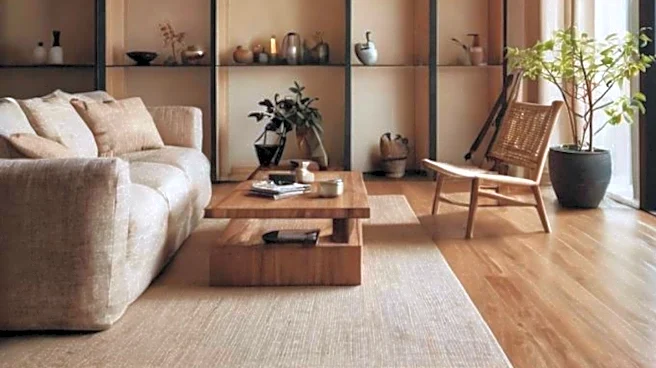
Choosing the right seating for U.S. homes involves understanding how a room needs to function, considering factors like the number of daily users, required activities, and the need for layout flexibility. Resource Furniture emphasizes that effective seating provides
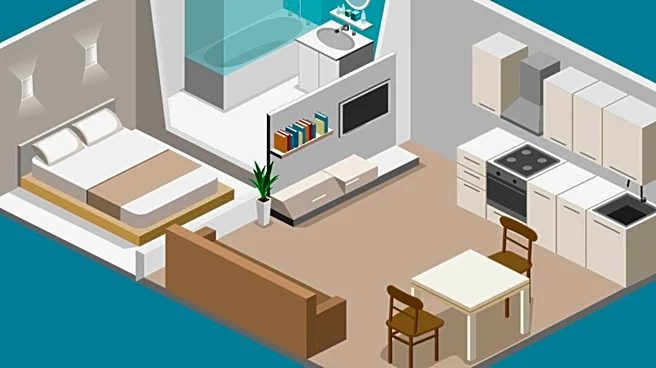
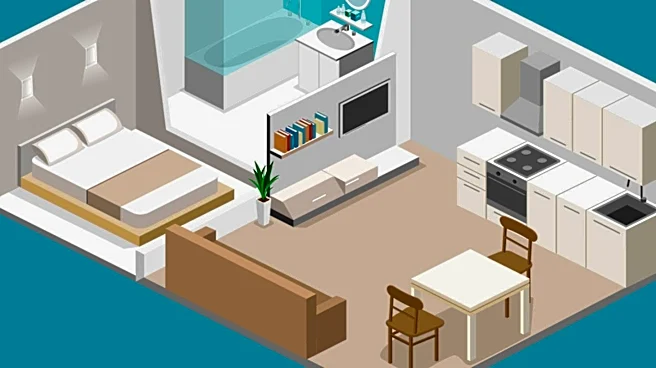
comfort, capacity, and adaptability without hindering the room's overall utility. The decision between a sofa, sectional, or modular seating depends on capacity needs and how often the layout needs to change. Modular sofas, like Resource Furniture's Flex, offer reconfigurable backrest cushions to create various arrangements, including a freestanding sleeping surface. For rooms requiring both seating and sleeping, wall beds with integrated sofas (often called Murphy beds with sofa) are highlighted as efficient solutions for guest rooms, studio apartments, and multipurpose spaces. These systems combine everyday seating with a dedicated bed, allowing both functions to share the same floor area. Secondary seating options, such as lounge chairs, recliners, benches, or ottomans, provide flexibility without expanding the primary seating footprint.
Why It's Important?
The strategic selection of seating is crucial for maximizing the functionality and comfort of U.S. living spaces, particularly as urban living often entails smaller footprints. This approach directly impacts consumer satisfaction, interior design trends, and the furniture retail market. For consumers, making informed seating choices can transform a room, making it more adaptable to various activities, from daily living to entertaining guests or working from home. For the furniture industry, this means a growing demand for versatile, high-quality, and aesthetically pleasing seating options that cater to diverse needs. The emphasis on modular and integrated solutions, such as wall beds with sofas, reflects a broader trend towards optimizing every square foot of living space, influencing product development and marketing strategies. This also highlights the importance of design consultants and showrooms in helping consumers visualize and implement these flexible solutions, ensuring that furniture choices align with lifestyle requirements and spatial constraints.
What's Next?
The trend towards highly functional and adaptable seating solutions is expected to continue shaping the U.S. furniture market. Manufacturers will likely invest further in modular designs, integrated furniture systems, and pieces that offer multiple configurations to meet evolving consumer demands. There will be an increased focus on materials that are durable, easy to maintain, and aesthetically versatile to suit various interior styles. Retailers may enhance their in-store and online experiences with tools that allow customers to visualize different seating arrangements and their impact on room flow. Furthermore, as remote work remains prevalent, the demand for seating that can transition between relaxation and work functions will grow. The market may also see more personalized design services that help consumers tailor seating solutions to their specific spatial and lifestyle needs, moving beyond one-size-fits-all approaches.
Beyond the Headlines
The evolution of seating choices in U.S. homes extends beyond mere aesthetics and functionality; it reflects a deeper societal shift towards more dynamic and personalized living environments. The ability to easily reconfigure a living space with modular or integrated seating empowers individuals to adapt their homes to changing needs, fostering a sense of control and flexibility. This can have psychological benefits, reducing stress associated with cluttered or inflexible spaces. Environmentally, the emphasis on durable, versatile furniture can contribute to sustainability by reducing the frequency of furniture replacement and promoting more conscious consumption. Culturally, it signifies a move away from rigid, formal living areas towards more fluid, multipurpose spaces that support a wider range of activities and social interactions. This trend encourages innovation in design, pushing boundaries to create furniture that is not only practical but also enhances the overall quality of life in modern U.S. households.